

Why a Group of Quail Is Called a Covey: The Science Behind Their Social Structure
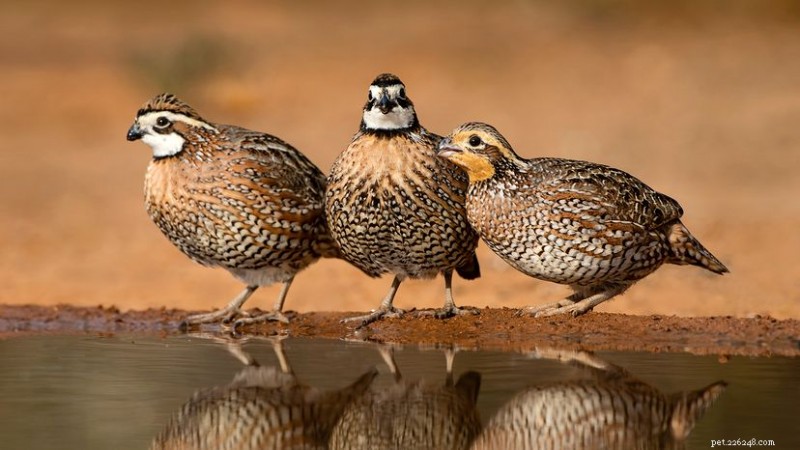
When you hear a “covey” in the context of birds, it refers specifically to a small, tight‑fledged group of quail. The term is widely used by hunters, birders, and wildlife researchers alike, and it carries a clear evolutionary purpose.
What Exactly Is a Covey?
A covey is a collective noun—an agreed‑upon word that describes a specific grouping of animals. In the case of quail, the word originates from Old French covey, meaning a brood or flock. Historically, quail have used this formation to increase their chances of survival.
Which Quail Species Form Coveys?
Across both the New and Old Worlds, most quail species gather in coveys during the non‑breeding season:
- Northern bobwhite (Colinus virginianus) – the North American species most commonly associated with covey behavior.
- California quail (Callipepla californica) and Gambel’s quail (Callipepla gambelii) – found in western U.S. and Mexico.
- Scaled quail (Callipepla squamata) and Montezuma quail (Cyrtonyx montezumae) – group together in desert and grassland habitats.
- Old World quail (e.g., Perdicula asiatica) – exhibit similar social patterns in Asia.
In all cases, coveys consist of multiple adults and their offspring from the same nesting season, and they are especially visible in winter when the birds seek safety and warmth.
Daily Life Inside a Covey
Quail are terrestrial and prefer running over flying. A covey’s routine typically includes:
- Foraging for seeds and insects across the grassland.
- Dust bathing to keep feathers clean.
- Resting in shaded areas during the hottest part of the day.
- Gathering tightly at night to conserve heat.
Early‑morning calls—often described as a high‑pitched “bob‑white” whistle—signal the group’s presence across open fields.
Why Do Quail Stay Together?
Living in a covey gives quail multiple advantages:
- Predator avoidance – a sudden burst of wings confuses predators and disperses the threat.
- Thermoregulation – on cold nights, quail form a circle with tails inward, sharing body heat to conserve energy.
- Social learning and protection of young, as mothers quickly lead chicks to food after hatching.
Other Collective Nouns for Quail
While “covey” is the most common term, some variations exist:
- Bevy – occasionally used informally.
- Brace – typically refers to a pair of quail, especially in hunting contexts.
Using precise collective nouns helps scientists and bird enthusiasts describe behavior accurately. Unlike a “flock,” which implies a loose, often airborne group, a covey denotes a compact, ground‑based formation.
For more in‑depth information, refer to resources such as the Audubon Society or the Cornell Lab of Ornithology.
- Why Does My Dog Eat Toilet Paper? Causes, Risks, and Solutions
- Explore the 30 Most Rare Corn Snake Morphs – Expert Guide for Collectors
- 12 Best Cat Halloween Costumes for a Purr-fect Party
- Professional Guide: How to Bathe Your Dog for a Clean, Healthy Coat
- Discover 15 Stunning Red Dog Breeds You’ll Love
- Spotted Salamanders Thrive Amid Roadside Salts and Toxins
- Do Dogs Enjoy Snow? Safe Ways to Include Your Pup in Winter Fun