

How Long Do Zebra Finches Live in Captivity? A Complete Guide
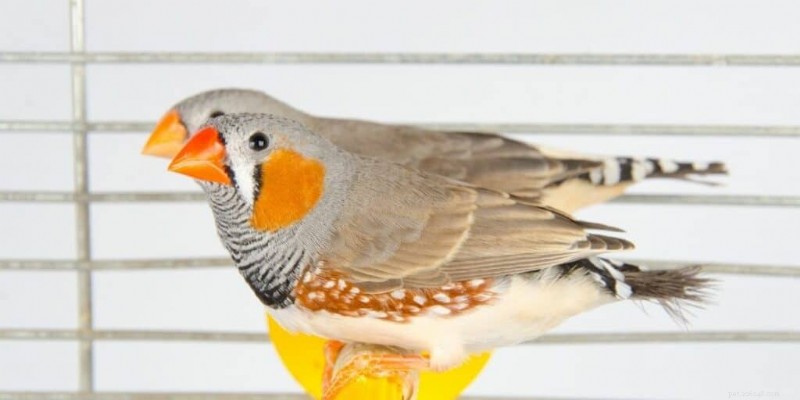
Zebra finches are among the most beloved pet birds, thanks to their striking plumage, social nature, and affordability. While they thrive in human care, many owners wonder how long they can expect these birds to live when kept in a home setting.
What Is the Typical Lifespan of a Zebra Finch?
In the wild, zebra finches reach an average of about five years. The lack of predators, but exposure to harsh environmental conditions, keeps their longevity modest. In contrast, with proper husbandry, captive zebra finches routinely live twice as long, averaging around seven years. Exceptional individuals have surpassed 12 years, and the longest recorded captive zebra finch lived to nearly 14.5 years.
How Does Their Longevity Compare to Other Finch Species?
Zebra finches occupy the middle of the finch lifespan spectrum:
- House finches: ~12 years
- Asian rosie finches: ~5 years
- Bengal finches: 4–8 years
- Cassin’s finches: ~7 years
- Gouldian finches: ~6 years
- Nihoa finches: ~11 years
- Purple finches: 2–11 years
These figures illustrate that while zebra finches don’t outlive the longest-lived finches, they generally surpass the shorter-lived varieties.
Key Factors That Influence Their Longevity
Several elements determine how long a zebra finch will live:
- Space and social structure: Adequate per‑bird space and companionship reduce stress and disease.
- Nutrition: A balanced diet rich in grains, fresh vegetables, and occasional protein boosts overall health.
- Exercise and enrichment: Daily flight time and mental stimulation promote cardiovascular fitness.
- Genetics and health care: Regular vet checks and prompt treatment of conditions like air‑sac mites prevent complications.
Preventing Common Health Issues
Air‑sac mite infestations, identifiable by a scaly or cracked appearance around the eyes, can rapidly compromise respiratory function. If you notice labored breathing, seek veterinary care immediately.
Regular cage cleaning, fresh water, and a varied diet—combining a high‑quality seed mix with millet spray, fresh greens, and occasional scrambled eggs—help maintain robust immunity.
Practical Tips for a Longer, Healthier Life
- Feed on the floor: Allow birds to forage naturally by placing seeds on the cage bottom.
- Use fresh, high‑quality feeds: Rotate between seed mixes and fortified pellets to cover micronutrient needs.
- Provide enrichment: Add toys, perches, and rotating feeder positions to keep birds mentally stimulated.
- Monitor health closely: Watch for changes in plumage, appetite, and activity levels.
Choosing the Right Cage
For zebra finches, a spacious, well‑ventilated cage that allows for flight and social interaction is essential. Below are some top‑rated options:
GeoDome Cage from Omlet
Durable wrought‑iron design with ample floor space, perfect for pairs or small flocks.
Other Recommended Cages
- SUPER DEAL PRO 61''/68'' 2‑in‑1 Large Bird Cage – versatile stand, ideal for larger birds and finches alike.
- ZENY Bird Cage with Stand (53') – robust construction, excellent airflow.
- YAHEETECH 52' Wrought Iron Standing Large Flight King Bird Cage – spacious with a rolling stand.
- YAHEETECH 36' Open Top Hanging Medium Parakeet Cage – perfect for smaller finches.
- YAHEETECH Roof Top Large Flight Parrot Bird Cage (52') – offers a roofed design for secure flight.
- YAHEETECH 39' Roof Top Large Flight Parrot Bird Cage – suitable for small parrots, finches, and canaries.
All cages listed provide ample space, secure fittings, and easy maintenance—key factors for keeping your zebra finches happy and healthy.
Final Thoughts
With attentive care—proper nutrition, enrichment, disease prevention, and a suitable environment—most zebra finches will comfortably reach at least five years and often double that. By understanding their needs and investing in quality housing, you can enjoy a vibrant, long‑lasting companion.
- Estrogen Side Effects in Dogs: A Comprehensive Guide for Pet Owners
- Adopt a Rabbit in Singapore: 6 Trusted Shelters & Essential Tips
- California Takes Historic Step: Ban Puppy Mill Dogs in Pet Stores
- Anatolian Kangal Shepherd Dog: Breed Overview & Key Facts
- Expert Homemade Dog Food Calculator for Healthy Pups
- Salt and Your Dog: Safe Amounts, Benefits, and What to Watch For
- How to Detect and Treat Cat Mites: Protect Your Feline's Health