

Will Your Parrot Return After Flying Away? Proven Retrieval Tips & Prevention Strategies
The most unsettling moment for any parrot owner is watching their beloved bird take flight and disappear. While this scenario can feel nightmarish, a calm, systematic response dramatically improves the chances of a successful reunion.
Do Parrots Ever Come Back If They Fly Away? The outcome largely depends on the bird’s emotional state and familiarity with the home environment. A well‑tamed, contented parrot is usually eager to return, whereas an anxious or unacquainted bird may drift further or choose a different route.
Step‑by‑Step Guide to Retrieving a Lost Parrot
The first minutes are critical. If you’ve already lost your bird, start with these actions:
- Call and Follow: If you see your parrot leaving, call its name and watch its direction. This can help you gauge its intended path.
- Organize a Search Team: Have a family member stay home while you venture out. Bring your phone, cage, favorite food, a harness, and any familiar items. If the parrot has a companion, bring them along to call each other.
- Search the Last Known Area: Return to the location where you last saw the bird. Use familiar vocal cues—whistle, name, or a unique word—to attract its attention.
- Anticipate Fear: A frightened parrot may hesitate to fly toward you. Stay patient and avoid sudden movements.
- Access the Bird: If the bird is perched on a high branch, you may need a ladder. Move slowly to avoid startling it. For very high locations, you can request assistance from emergency services, but typically the owner’s familiarity offers the best chance of recovery.
- Use Covering Techniques: If the bird is reluctant to be handled, drape a blanket over it gently. Alternatively, place an open cage nearby with a favorite treat to lure it in.
- Night Searches: If the bird vanished overnight, wait until daylight. Searching in the dark increases the risk of injury to both you and the bird.
- Publicize the Search: When exhaustive searches fail, design a poster and offer a reward. This amplifies visibility and encourages community help.
Designing an Effective Search Poster
- Boldly display the word WANTED.
- Include the clearest photo of your parrot.
- Highlight the reward amount prominently.
- List the bird’s name, medical needs (if any), escape date, location, and your contact email and phone number—avoid excessive personal details to reduce fraud risk.
Maintain optimism, keep asking neighbors for assistance, and persistently search. A patient, determined approach often yields success.
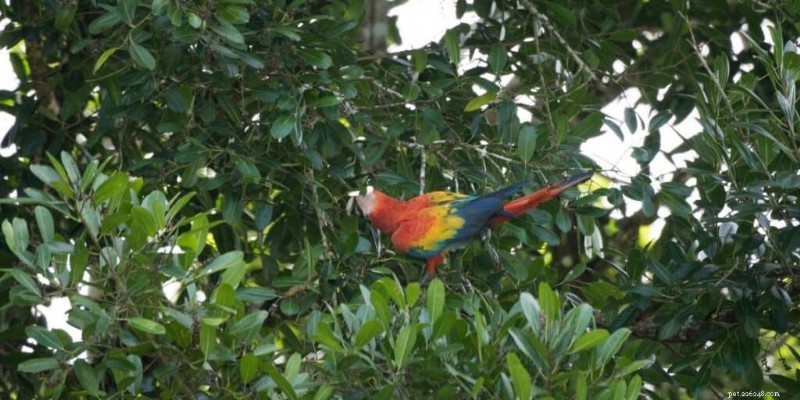
How to Retrieve a Parrot from a Tree
Position someone below the tree that the bird recognizes. Engage the bird with familiar voice or gentle calls. If you cannot climb, enlist a trusted companion to approach. Avoid sudden movements, use a ladder if necessary, and bring a treat to coax the bird down.
How to Retrieve a Parrot Inside the House
Congratulations if your bird is still indoors! Close all doors and windows, then call the bird calmly. Use a blanket or a net to gently capture it, taking care not to injure.
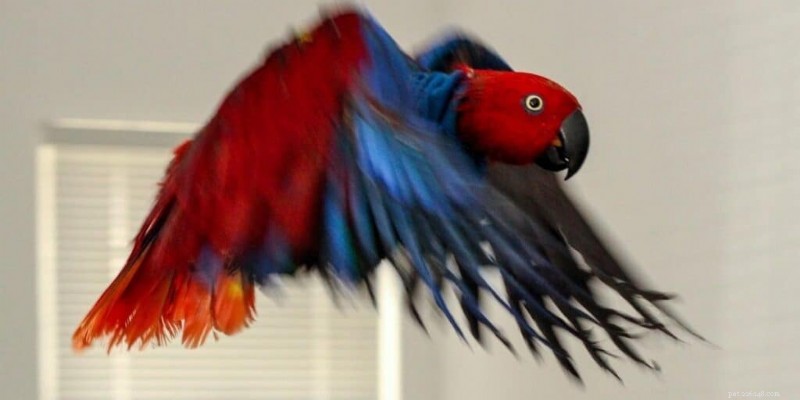
Preventing Future Escapes
Key preventive measures include:
- Provide a spacious, securely closed cage—preferably square or rectangular, with smooth, stainless‑steel or baked‑painted bars.
- Keep windows closed when you’re away or when the cage door is open.
- Avoid wing clipping unless performed by a qualified avian veterinarian to prevent injury.
- Train your bird to fly back on command by rewarding positive behavior.
For example, place your hands inside the cage and reward the bird when it sits on them. Consistent positive reinforcement builds trust and reduces escape risk.
Recommended Cages Your Parrot Will Love
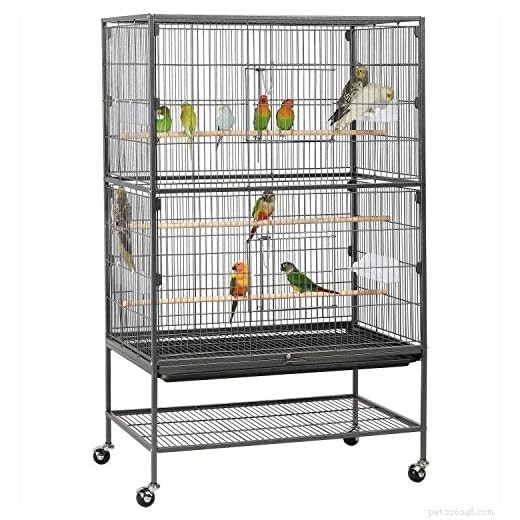 Prevue Pet Products Wrought Iron Select Bird Cage Black Hammertone 3151BLK, 18'' x 18'' x 57''
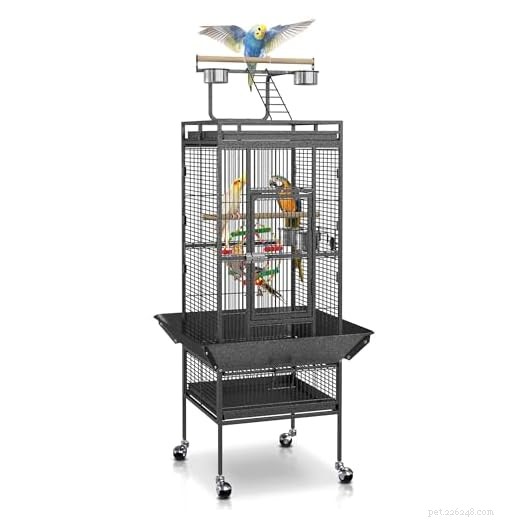 SUPER DEAL PRO 61''/68'' 2in1 Large Bird Cage with Rolling Stand – suitable for Parrot, Chinchilla, Finch, Macaw, Conure, Cockatiel, Cockatoo.
YAHEETECH 52-inch Wrought Iron Standing Large Flight King Bird Cage for Cockatiels, African Grey, Quaker, Amazon Sun, Parakeets, Green Cheek Conures, Pigeons.
Amazon price updated: June 10, 2026 05:41
Creating a Comfortable Home Environment
Ensure a roomy cage near natural light, avoid dark or quiet rooms, and maintain fresh food and water daily. Provide a variety of toys—different shapes, colors, and textures—to keep your bird engaged.
How Far Can a Parrot Fly?
Typically, a frightened parrot may travel up to a mile from its home. While parrots are capable of long‑distance flight, a lost bird is usually within a few miles of its familiar surroundings.
Can Escaped Parrots Survive in the Wild?
Domesticated parrots face significant challenges: locating food, coping with weather, and finding conspecifics. Survival depends on these factors, and many birds struggle. However, with suitable conditions, some can adapt and thrive.
Conclusion: Will Your Parrot Return After It Takes Off?
Parrots are intelligent and often return if familiar with their environment. A calm, organized search and preventive care increase recovery chances. If you cannot locate your bird immediately, keep searching and stay hopeful—many parrots return within days.
- Pea Puffer Care Guide: Habitat, Diet, Temperament & Breeding
- Do Dogs Truly Experience Fear? Understanding Their Emotional World
- Do Dogs Truly Communicate Multilingually?
- Join the 2017 Pet Blogger Challenge – Connect, Learn, and Grow Your Pet Blog
- Why Dogs Roll in Smelly Substances: A Curious Behavior Explained
- Cerebellar Hypoplasia in Dogs: Causes, Symptoms, Diagnosis, and Care
- Iron Poisoning in Dogs: Symptoms, Treatment, and Prevention