

The 7 Best Talking Birds: A Guide to Intelligent, Engaging Pets
Birds that mimic sounds are a natural part of many species, but only a select few can truly “talk.” Whether you’re a seasoned avian enthusiast or considering a feathered companion for the first time, understanding the unique traits and care needs of these chatty birds is essential for a successful partnership.
To teach a bird to speak, you need patience, consistent interaction, and a stimulating environment. Happy, well‑socialized birds are far more likely to vocalize and even form meaningful phrases.
Below, we highlight the seven most popular pet birds known for their speaking abilities, along with key facts and care tips to help you choose the right companion.
Looking for a NEW PARROT or BIRDCAGE? Click here to see one of the best‑selling cages on Amazon ↗️
1. African Grey Parrot
The African Grey is renowned for its remarkable vocal intelligence. Studies by the Cornell Lab of Ornithology show that these birds can understand context and use words appropriately, often forming full sentences.
With a striking dusty‑gray plumage and a vivid orange tail tip, the African Grey is also a visual delight. They thrive on mental stimulation, puzzle toys, and routine, and they are more comfortable with structured play than cuddling.
Prospective owners should be prepared for a lifelong commitment—African Greys can live 50 years or more—and should provide daily interaction and enrichment.
2. Cockatiel
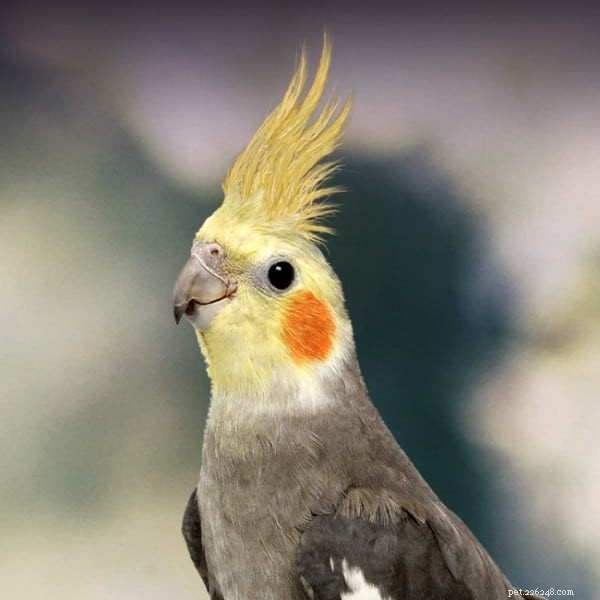
With their bright plumage and expressive crest, cockatiels are both eye‑catching and social. Though they begin speaking later than some larger parrots, they are highly trainable with clear, repeated words such as “hello,” “good‑day,” and “bird.”
These birds bond deeply with their owners, often seeking physical closeness and affectionate touch. Daily interaction and enrichment—like puzzle toys and foraging activities—are essential.
3. Budgerigar (Budgie)
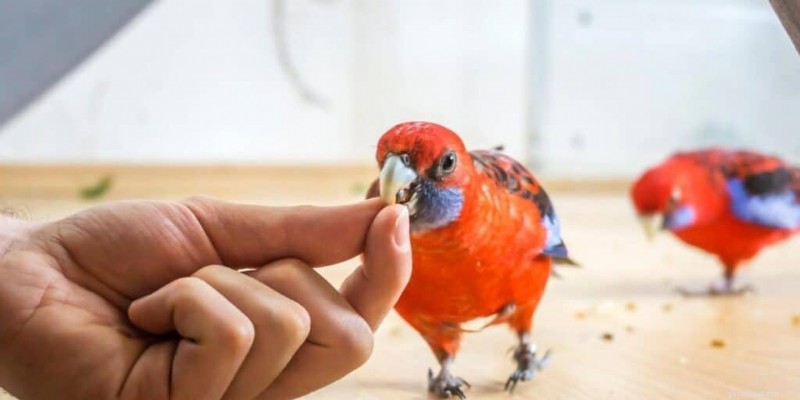
Budgies, or budgerigars, are small, energetic, and surprisingly articulate. They learn best through repetition paired with treats and clear cues—e.g., saying “treat?” before offering a snack.
While they may not fully comprehend the meaning behind their words, budgies can mimic a wide range of sounds and are a popular choice for first‑time bird owners.
4. Amazon Parrot
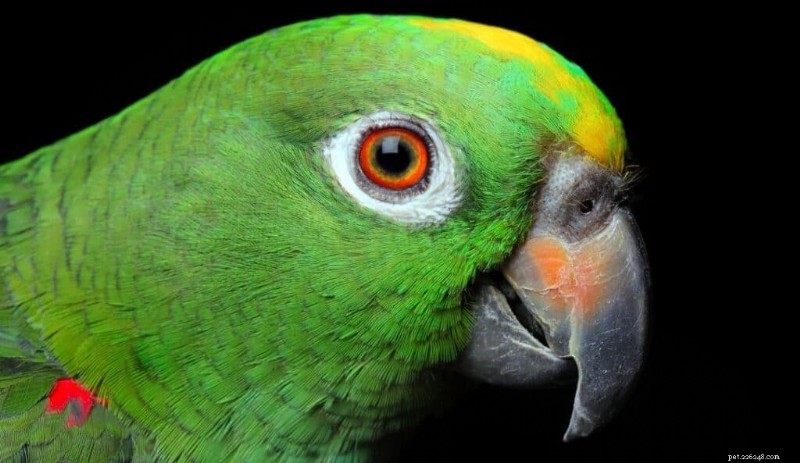
Amazon parrots boast vibrant green bodies with splashes of orange and yellow. Their intelligence and playful nature make them excellent vocalists; they often sing, whistle, and speak when they are content.
Begin training with simple greetings and gradually introduce new words as they become comfortable.
5. Indian Ring‑Neck Parakeet
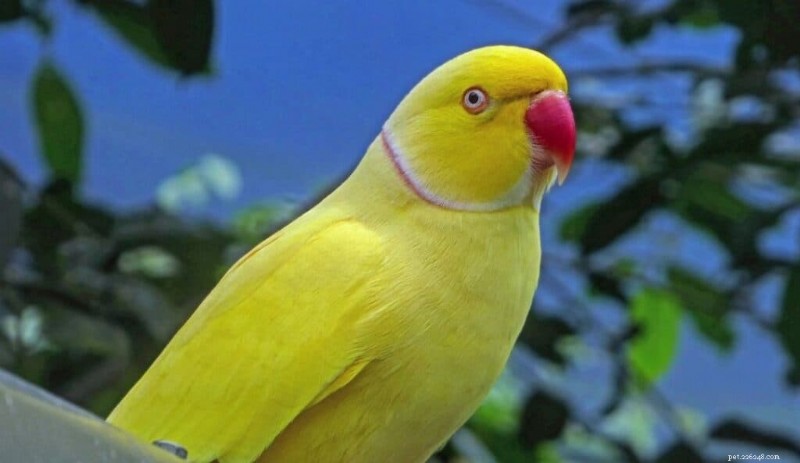
These parakeets are known for their skill at mimicking complex sounds, including human speech. Historically, they were prized in India for repeating prayers and other ambient noises.
They are energetic and affectionate, requiring regular playtime, toys, and gentle handling—especially during the early years when they may nip if not properly trained.
6. Common Raven
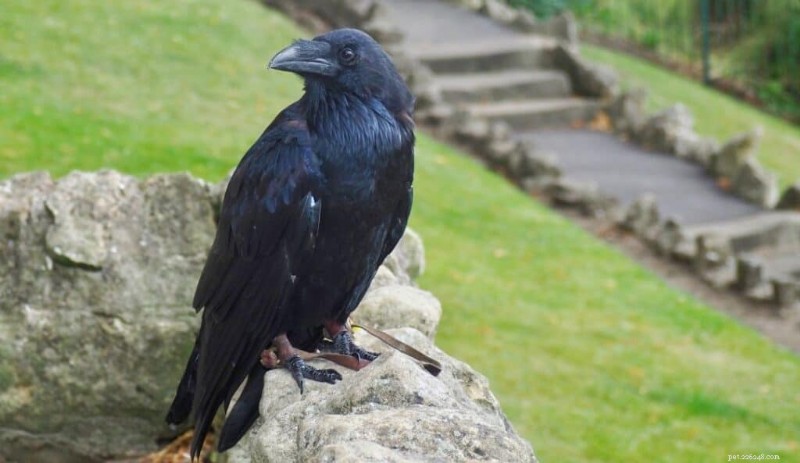
Ravens are among the most intelligent birds on the planet. They can replicate human speech and a variety of environmental sounds—such as car horns, water, and even toilets flushing.
These birds remember individual faces and form complex social bonds. While not typical pets, ravens are occasionally kept legally in certain regions and can be rehabilitated with careful care.
7. Macaw
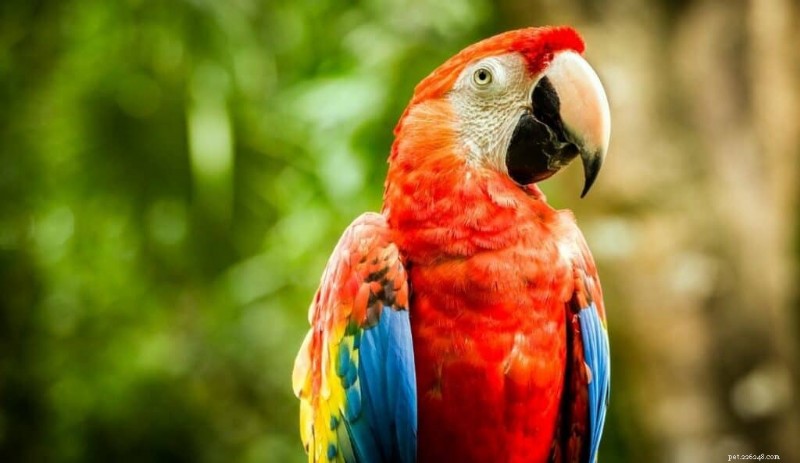
Macaws are large, colorful parrots with striking blue, red, or green plumage and exceptionally long tails. They are highly vocal and often produce a mix of clear words and playful chatter.
Because of their loud and constant vocalizations, prospective owners should ensure they can accommodate a very talkative pet.
Final Thoughts
Choosing the right talking bird depends on your lifestyle, time commitment, and willingness to provide consistent training and enrichment. From the thoughtful African Grey to the exuberant Macaw, each species offers unique companionship opportunities.
Whether you prefer a sophisticated chatterbox or a bright, energetic friend, a well‑educated, cared‑for bird can become a beloved member of your family.
- Dog First Aid Kit Checklist: Must-Have Items and What to Skip
- 7 Proven Tips for Raising a Well-Adjusted Kitten
- Professional DIY Grooming: The Comprehensive Guide for Pet Owners
- Is Your Family Ready to Welcome a Pet? A Guide to Decision-Making
- Are Green Peppers Safe for Cats? A Trusted Guide to Feeding or Avoiding Them
- Choosing the Best Probiotics for Dogs: Are They Essential for Your Pet’s Health?
- Top 9 Dog Breeds Ideal for First‑Time Owners – Choose Wisely