

Top 7 Parakeets for First‑Time Keepers – Expert Guide to Choosing the Perfect Pet
Why Parakeets Make Delightful Pets
Looking for a companion that’s easy to care for yet exudes a touch of the exotic? A colorful parakeet may be your best bet. These small, lively birds thrive with attentive care and can live well beyond a decade, making them rewarding pets for people of all ages.
- Compact size – Perfect for apartments or smaller homes, unlike larger parrots or cockatiels.
- Vibrant plumage – Bright yellows, blues, greens, and whites that brighten any room.
- Engaging personality – Cheery and sociable, they’re especially great companions for seniors.
What Types of Parakeets Exist?
Parakeet is a broad term covering over 115 species, from the classic budgerigar to the robust ring‑necked parakeet. Common traits include slender bodies, long tails, hooked bills, and an outgoing temperament, making selection both exciting and accessible.
For those looking to upgrade, explore Amazon’s best‑selling cages here ↗️.
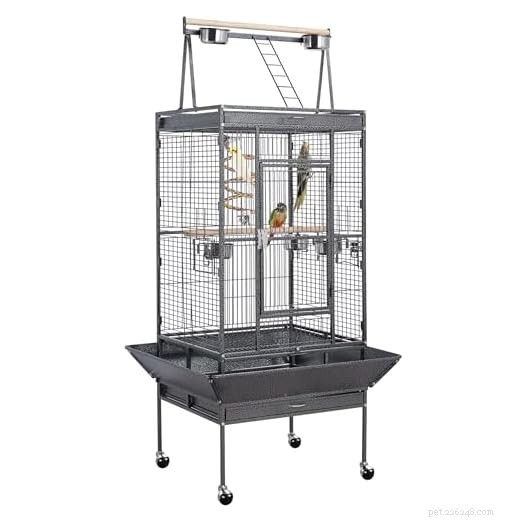
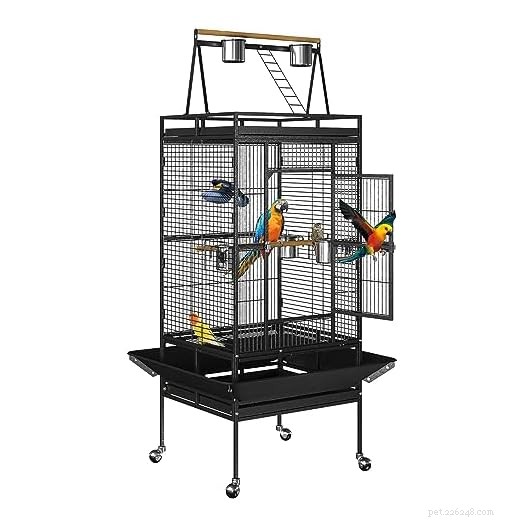
Yaheetech 69‑inch Wrought Iron Rolling Large Parrot Bird Cage
in stock
Amazon.com – Price updated: June 9, 2026 22:42
Our Round‑up of the 7 Best Parakeets for a First‑Time Keeper
1. Ring‑Necked Parakeet
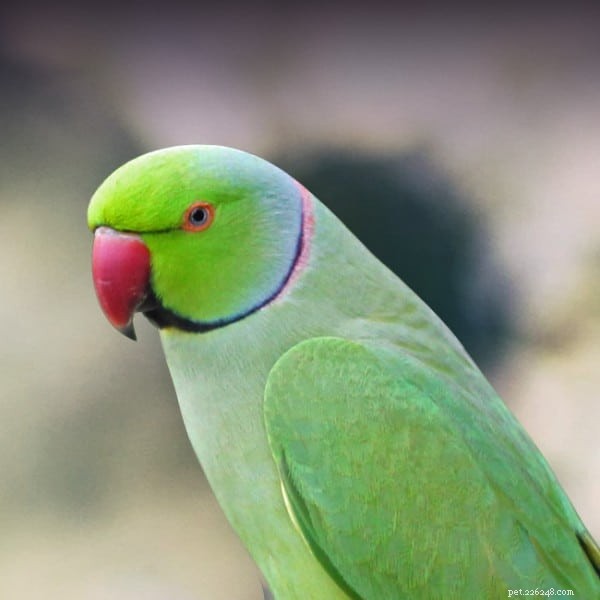
Origin: Africa or Asia (subspecies)
Length: 38–42 cm (15–16.5 in)
Wingspan: 42–48 cm (16.5–18.8 in)
Colour: Vivid blue or green; males feature a red‑black neck ring, females have a muted or grey ring.
Longevity: Up to 30 years
Highly social, these parrots are playful and vocal. With consistent attention, they can be tamed and even trained to mimic speech.
2. Quaker Parakeet (Monk Parakeet)
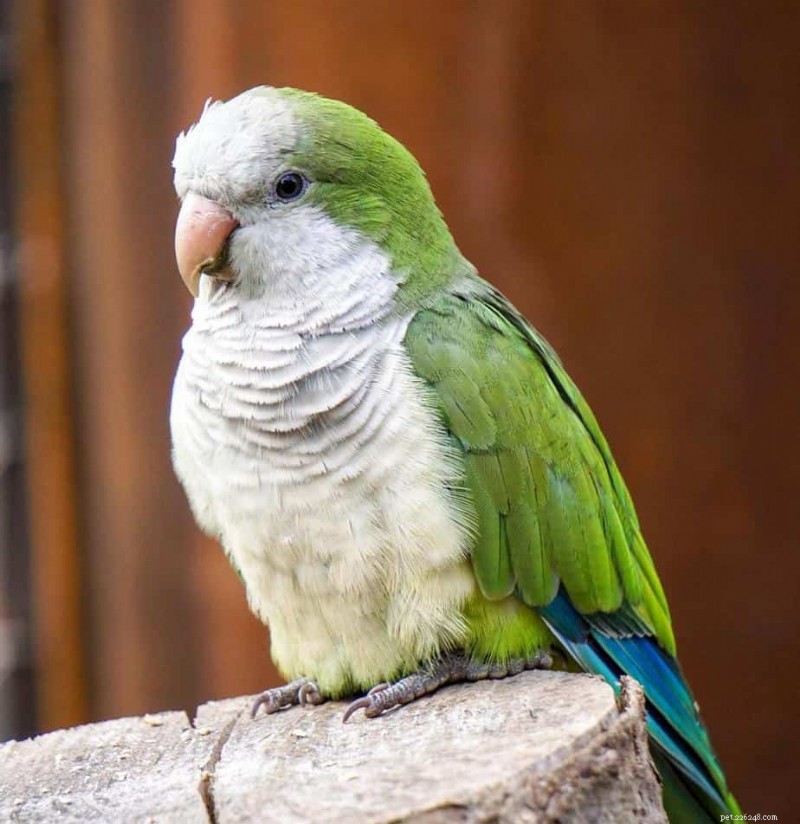
Origin: South America
Length: 30–48 cm (12–18.8 in)
Wingspan: 48 cm (18.8 in)
Colour: Varieties include blue, parblue, lutino (yellow), and cinnamon.
Despite its name, the Quaker is energetic, sociable, and loves to mimic. Its “quaking” behavior is a curious quirk, not a sign of distress.
3. Crimson Rosella (Platycercus elegans)
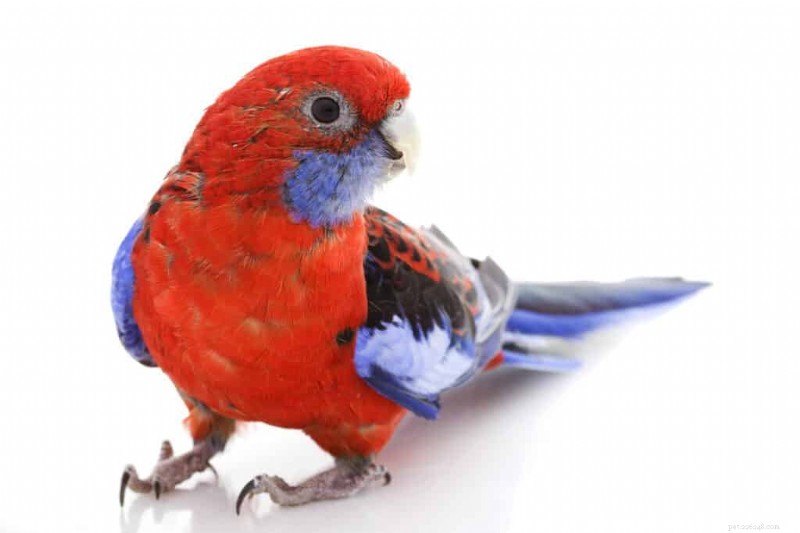
Origin: Australia
Length: 36 cm (14 in)
Wingspan: 53 cm (20.8 in)
Colour: Crimson red to pale yellow and green with blue cheeks, shoulders, and tail.
Longevity: Up to 25 years
These striking birds are excellent for beginners. They thrive with ample space, a varied diet, and gentle training.
4. Bourke’s Parakeet
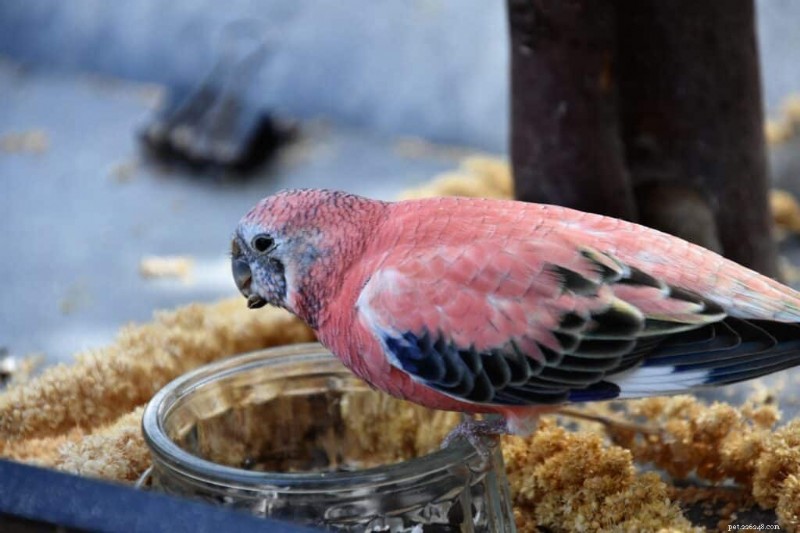
Origin: Australia
Length: 18–23 cm (7–9 in)
Colour: Grey and rosy‑pink plumage with browns and blues.
Longevity: Up to 8 years
Small, affectionate, and easy to care for, Bourke’s are ideal for first‑time owners. They love to perch and should be kept indoors to prevent accidental escape.
5. Moustache Parakeet
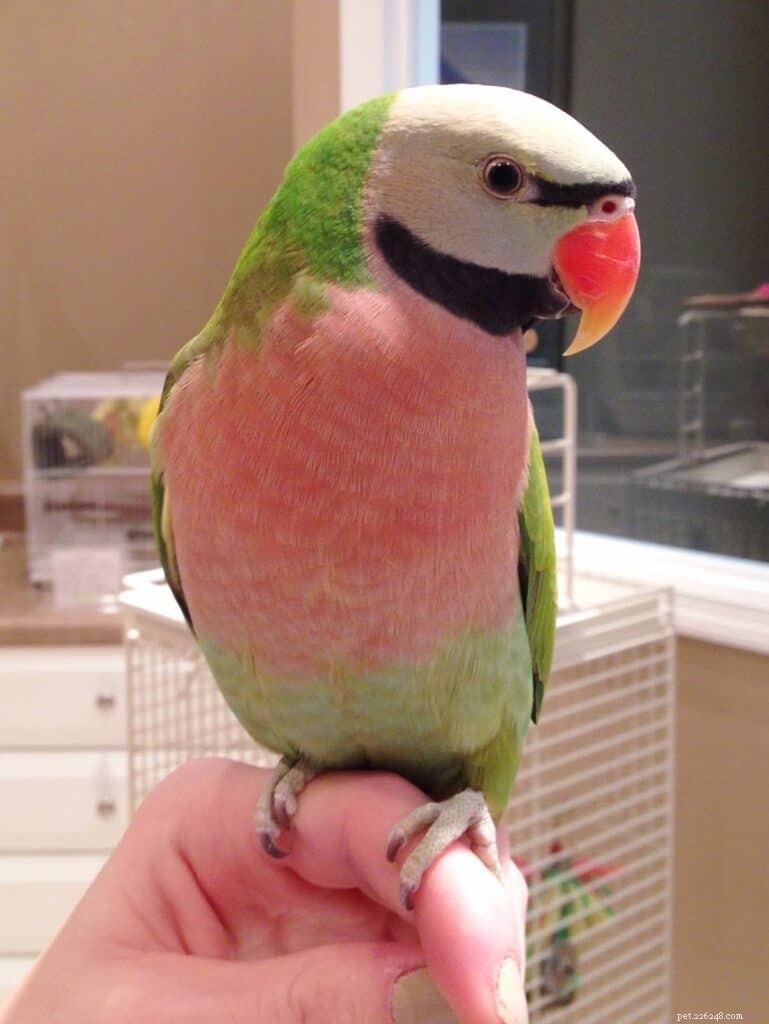
Origin: Indonesia
Length: 33–40 cm (13–16 in)
Wingspan: 38 cm (15 in)
Colour: Greens, yellows; powder‑blue head; blush‑red breast; a distinctive black “moustache” above the beak.
Longevity: Up to 20 years
Rare and inquisitive, the Moustache Parakeet prefers to live alone. Provide ample flight space and keep it in a closed room to avoid wandering.
6. Alexandrine Parakeet
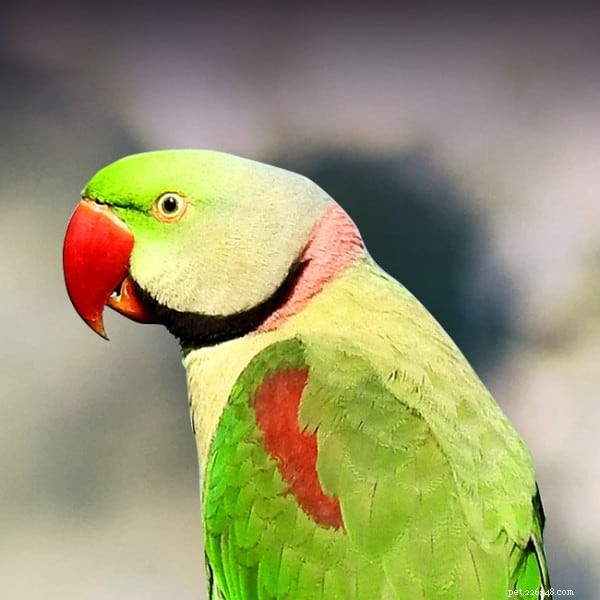
Origin: India and Sri Lanka
Length: 33–41 cm (13–16 in)
Wingspan: 58 cm (23 in)
Colour: Green with blue‑grey cheeks and red shoulder patches; males have a pronounced neck ring.
Longevity: Up to 30 years
The largest parakeet species, the Alexandrine is hardy, independent, and relatively quiet—suitable for apartments with close neighbors.
7. Budgerigar (Budgie)
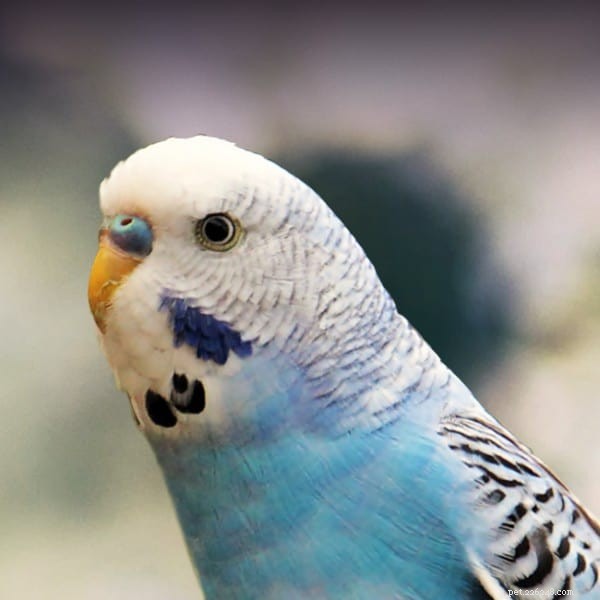
Origin: Australia
Length: 18 cm (7 in)
Wingspan: 30 cm (12 in)
Colour: Yellow‑green with blue‑white markings.
Longevity: Up to 10 years
The budgie is the quintessential beginner bird: friendly, trainable, and capable of speaking simple words. It requires a modest cage and a playful environment.
We recommend the GeoDome Birdcage for its spacious design and unique shape.
Frequently Asked Questions
What should I look for when choosing a new parakeet?
When buying a young bird, ensure it’s disease‑free. Check these five indicators:
- Alert & sociable behavior
- Healthy plumage
- Clean nostrils, beak, and vent area
- Proper beak proportions
- Correct number of toes
What diet does my parakeet need?
Birdseed alone isn’t enough. Complement with millet spray, fresh fruits, and vegetables. Learn more in our article “Can parakeets eat oranges?”
Should I keep one or many birds?
Parakeets are social. A single bird needs constant companionship, while a pair or small flock benefits from interaction, reducing isolation and anxiety. Just remember that more birds require more space and resources.
In Conclusion
With a wide selection of charming, sociable species, finding the right parakeet is straightforward. Consider size, cage space, and your own lifestyle. Each of these seven species can become a beloved companion with the right care and training.
Best Cages for Parakeets
- Nova Microdermabrasion 61/68‑inch Large Bird Cage – Playtop, stand, perch.
- Mcage Large Double Flight Bird Wrought Iron Cage – 3 levels, slide‑out divider.
- A&E Cage Co. CC3232 Black Corner Bird Cage – 32" large.
- SUPER DEAL PRO 61/68‑inch 2‑in‑1 Large Bird Cage – rolling stand, open/close design.
- New Large Wrought Iron Open/Close Play Top Bird Cage – metal seed guard, solid feeder, nest doors.
- Yaheetech 69‑inch Wrought Iron Rolling Large Parrot Bird Cage – versatile for various species.
Amazon price updated: June 9, 2026 22:42
- Ideal Nursing Duration for Puppies: When to Wean for Optimal Health
- Do Dogs Perceive Glass? Understanding Their Vision Limitations
- How to Train Your Dog to Sing – Proven Techniques for All Breeds
- Discover 10 Charming Turkish Dog Breeds for Your Perfect Companion
- 10 Elegant Solutions to Hide Your Cat’s Litter Box (Photos Included)
- What to Watch for After Your Dog Is Spayed: Key Symptoms and Recovery Tips
- How to Tell the Difference Between Playful Dog Fighting and Real Conflict