

Top 9 Apartment‑Friendly Birds for Small Spaces
If you live alone or with a small family, selecting a pet that is affordable, low‑maintenance, and space‑efficient can be challenging in a compact apartment. You must provide adequate room for your feathered friend while ensuring that the bird’s vocalizations don’t disturb neighbors.
Birds are an excellent choice for apartment dwellers.
Birds are well‑suited to tight living spaces because they are easy to house, don’t roam freely, and typically have a modest food budget. Many species offer engaging companionship and can thrive in modest enclosures.
Noise level matters as much as size.
Small birds occupy little floor space, but a tiny apartment with thin walls can amplify even quiet chirps. When choosing a bird, consider both its size and its temperament to avoid excessive noise.
To help you narrow down your options, we’ve compiled a concise list of the 9 best birds for apartment living. Your next feathered companion is likely on this list.
Looking to upgrade your birdcage? Check out one of the best‑selling cages on Amazon ↗️
Your 9 best birds for apartment living.
1. Budgie
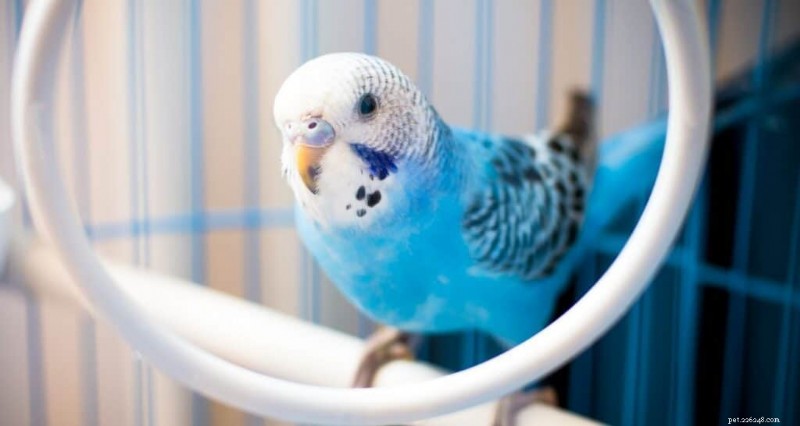
- Origin: Australia
- Length: 18 cm (7 in)
- Wingspan: 30 cm (12 in)
- Longevity: Up to 10 years
A budgie is a classic choice for apartment owners. Small, typically quiet, and easy to care for, budgies thrive in a well‑spaced cage with fresh food, toys, and occasional supervised flight in a confined area. They can be trained to sit on your finger and enjoy gentle interaction.
2. Bourke’s Parakeet
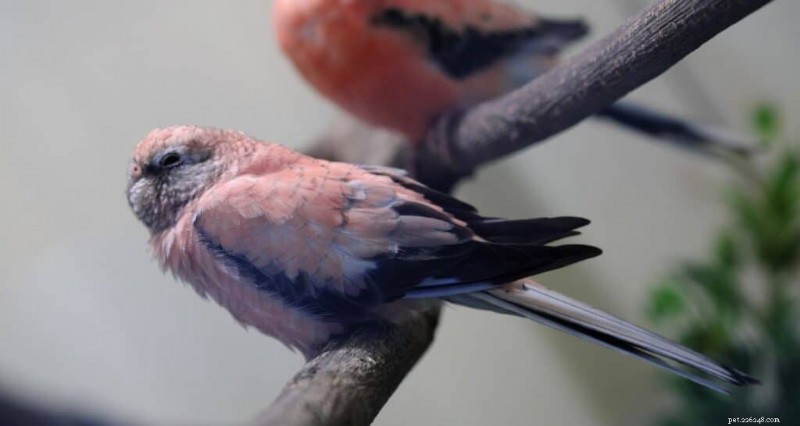
- Origin: Australia
- Length: 18–23 cm (7–9 in)
- Longevity: Up to 8 years
Similar in size to a budgie, the Bourke’s parakeet is exceptionally calm. It remains mostly quiet during the day, punctuated by occasional twilight chatter. Minimal attention is required, making it ideal for busy apartment dwellers.
3. Lovebirds
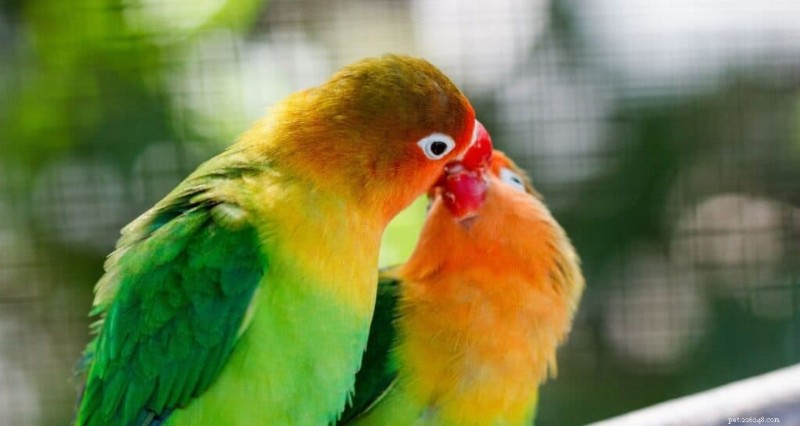
- Origin: Madagascar
- Length: 13–17 cm (5–7 in)
- Wingspan: 18 cm (7 in)
- Longevity: 10–15 years
Lovebirds are best kept in pairs, as they thrive on companionship. With adequate toys and space, they remain relatively quiet and gentle, offering affectionate interaction without excessive noise.
4. Cockatiels
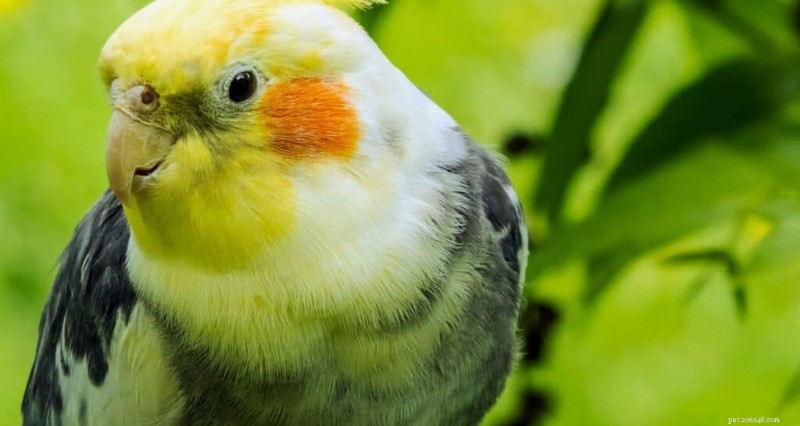
- Origin: Australia
- Length: 30–33 cm (12–13 in)
- Wingspan: 45.7 cm (18 in)
- Longevity: 14 years
Cockatiels are sociable, cheerful companions that bond strongly with their owners. They prefer a quiet environment and will whistle more than they squawk. For more on bonding, see our article “Do cockatiels miss their owners?”.
5. Canary
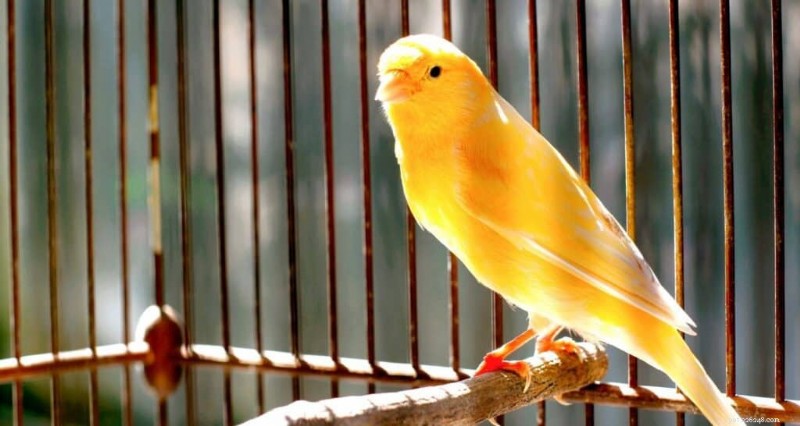
- Origin: Canary Islands
- Length: 10–12 cm (3.9–4.7 in)
- Wingspan: 19 cm (7.4 in)
- Longevity: 4–6 years
Canaries are an excellent choice for those seeking a quiet, small bird. Their vocal range is gentle, and they thrive when kept alone to avoid territorial disputes. Select from a wide array of colors bred over centuries.
6. Finches
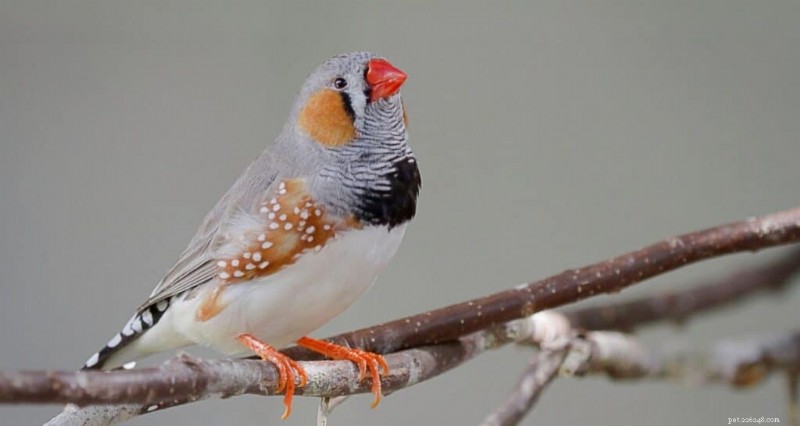
- Origin: Australia
- Length: 12.5–14 cm (4.9–5.5 in)
- Wingspan: 48 cm (18.8 in)
- Longevity: 4–6 years
Finches are beloved for their charm and low upkeep. Many varieties, such as the Gouldian Finch, add visual appeal. Provide a spacious cage—ideally a GeoDome—and occasional flight time to keep them healthy.
7. Quaker Parakeet
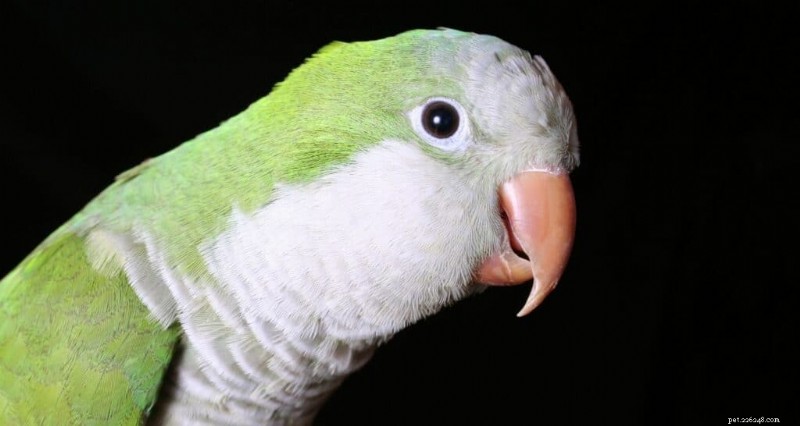
- Origin: South America
- Length: 30–48 cm (12–18.8 in)
- Wingspan: 48 cm (18.8 in)
- Longevity: 30 years
Despite its name, the Quaker parakeet is a modestly sized bird that learns quickly. A well‑furnished cage, such as the Prevue cage available on Amazon, meets its needs. They are adept at mimicking sounds and enjoy chewing on safe materials.
8. Conures
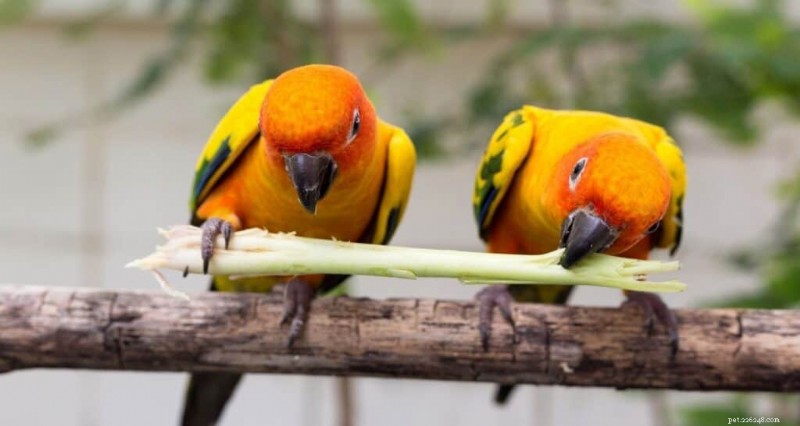
- Origin: South America
- Length: 25.4–50 cm (10–20 in)
- Longevity: 25 years
Conures are playful, sociable, and will entertain for hours. They crave interaction and may vocalize loudly; a disciplined routine and ample toys keep them content. Avoid excessive leniency to prevent feather‑picking and shrieking.
9. Parrotlets
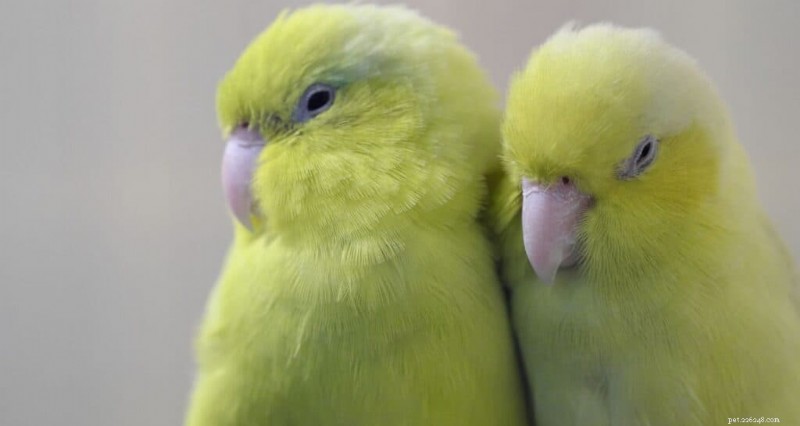
- Origin: South America
- Length: 11–12.7 cm (4.5–5 in)
- Wingspan: 15.24 cm (6 in)
- Longevity: 20 years
Parrotlets are compact yet exhibit true parrot-like behavior. Their quiet nature makes them suitable for small homes, but they have a strong bite—keeping them well‑stimulated and tamed is essential.
Frequently Asked Questions
Q.What size of cage do I need for my pet bird?
ANSWER: Adequate space is crucial to prevent stress and physical strain. For small birds, prioritize cage length: allow at least two wing‑beats between perches. Width should be three times the bird’s wingspan, and height should be three times the bird’s body length. We recommend the Prevue Cage on Amazon ↗️ for optimal space.
Q.Will my pet bird need darkness to sleep?
ANSWER: Birds thrive in dim, quiet conditions at night. In studio apartments or late‑night households, a cage cover can help simulate darkness and promote restful sleep. Learn more in our article: “Do budgies need darkness to sleep?”
In Conclusion
Each of these species offers unique benefits for apartment living. While they’re generally easygoing, regular interaction and time outside the cage are essential for their wellbeing. With thoughtful training and care, a bird can become a cherished, low‑maintenance member of your household.
- Bladder Cancer in Dogs: Symptoms, Diagnosis, and Treatment Options
- Essential Cat Care Guide: Tips for New Owners
- Setting Up a Breeding Tank for Egg‑Scatterer Fish: Size, Design & Care
- 8 Proven Scents That Keep Cats From Urinating Outside the Litter Box
- Can Dogs Contract COVID-19? Understanding the Risks & Latest Research
- Supporting a Pregnant Cat During Labor: Expert Tips & Care
- Can Dogs Safely Consume Oysters? Expert Insights