

The Collective Noun for Magpies: A Mischief
The Collective Noun for Magpies: A Mischief
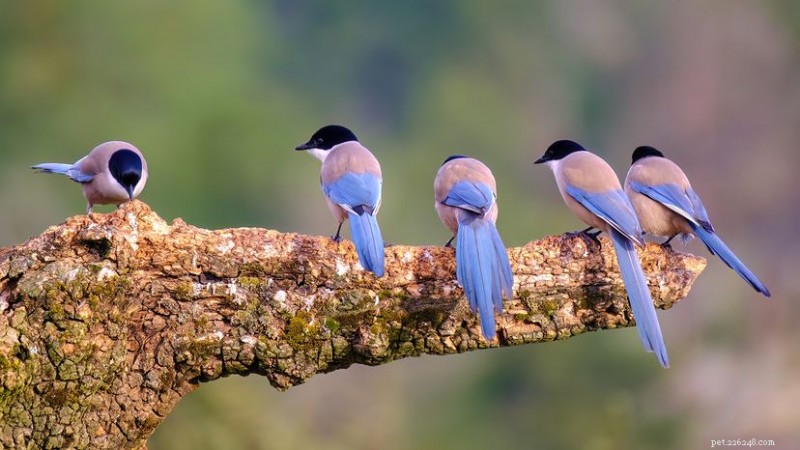
Collective nouns give birds memorable names that reflect their behavior, appearance, or cultural significance. One of the most colorful examples is the term used for a group of magpies.
Why “Mischief” Is the Correct Term
A mischief is the accepted collective noun for a group of Eurasian magpies. The word, first recorded in the 14th century, captures the birds’ bold, vocal, and highly intelligent nature. When several magpies gather, their constant movement and chatter create the impression of coordinated trouble.
How “Mischief” Fits Among Bird Collective Nouns
English contains dozens of bird collective nouns that often play on personality or folklore. For example:
- A parliament of owls – wisdom
- A murder of crows – superstition
- A charm of goldfinches – sound
- A flamboyance of flamingos – appearance
“Mischief” stands out by directly referencing the magpie’s reputation for playful, sometimes mischievous, behavior.
Magpies and Their Close Relatives
Magpies belong to the Corvidae family, which also includes crows, ravens, rooks, and jackdaws. These relatives share similar intelligence and social structures, yet each has its own collective noun: a unkindness of ravens, a parliament of rooks, a clattering of jackdaws.
Why Birds Have So Many Group Names
Birds are highly visible in human life—flocking, migrating, nesting—making their behavior easy to describe. Over centuries, people created vivid words to capture what they observe. Some nouns emphasize movement (e.g., flock, swarm), others sound (e.g., charm), and still others cultural associations.
Folklore, Numbers, and Meaning
Magpies feature prominently in folklore and superstitions. The classic rhyme “Three, four, five, nine, the plucker’s chosen.” and the belief that seeing a single magpie predicts good luck all illustrate the bird’s symbolic weight. The term mischief reinforces this cultural narrative.
Why Collective Nouns Still Matter
Collective nouns enrich language by providing concise, vivid descriptors. They shape how we picture a scene, whether we say a mischief of magpies, a flock of birds, or simply a group. Their continued use demonstrates the lasting value of these linguistic treasures.
This article was created with AI assistance and has been fact‑checked and edited by a HowStuffWorks editor.
- Coexisting with a Lizard: How Dogs and Lizards Can Live Together Safely
- Bull Terrier Breed Profile: Facts, Temperament & Care
- Understanding Cat Arthritis: Symptoms, Causes, and Care
- Can Hamsters Safely Consume Watermelon? Veterinary Insights
- Iceland's Historic Ban on Dogs: The 1924 Echinococcus Crisis
- Rehoming a Dog: Knowing When It’s the Right Decision
- Why Do Dogs Approach Us When We're Crying? The Science Behind Their Support