

Can Stress Kill Your Parakeet? Causes, Symptoms, and Prevention
As a parakeet owner, the sudden loss of a beloved companion can feel devastating. While it may seem unlikely, stress can indeed lead to a parakeet’s death, a reality that many owners have faced.
Parakeets are highly sensitive birds. When stressed, they release adrenaline, which raises blood pressure, depletes glucose, and dilates blood vessels. Chronic or intense stress can exhaust the adrenal glands, potentially causing sudden death.
Can Stress Kill a Parakeet?
Yes—stress is a documented cause of mortality in parakeets. Their intelligence and social nature make them particularly susceptible to emotional and physical stressors. Research from Vetwest Animal Hospital shows that stress can aggravate otherwise mild illnesses, increasing the likelihood of fatal outcomes.
Understanding the triggers is the first step in prevention. Below are common stressors and how they affect your bird.
Common Stress Triggers in Parakeets
Noise and Interaction from Other Pets
Parakeets are easily frightened by sudden noises and the curious gaze of cats or dogs. Continuous disturbances can trigger chronic anxiety.
Rapid Environmental Changes
Parakeets thrive on routine. Moving the cage to a new room or rearranging furniture can cause significant stress. Introduce changes gradually and allow the bird to explore at its own pace.
New Toys or Objects
What seems like a harmless novelty can be perceived as a threat. Place new items outside the cage or hang them nearby before letting your bird investigate.
Health Issues
Illness, injury, food allergies, or nutritional deficiencies can create a vicious cycle of stress and deteriorating health. Early detection is critical.
Loneliness
Parakeets are social and often live in flocks. A single bird that lacks companionship or frequent human interaction can develop loneliness‑related stress.
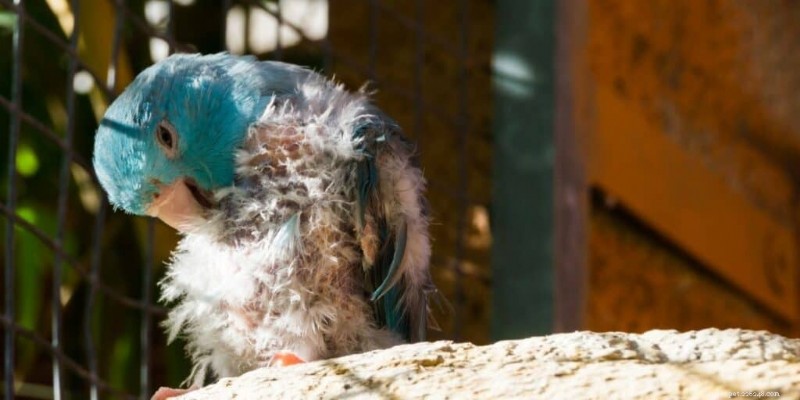
Recognizing Stress Symptoms
- Feather Bars: Horizontal lines across feather shafts indicate chronic stress.
- Loss of Appetite: Sudden picky eating or decreased food intake leads to sparse droppings and weight loss.
- Destructive Behavior: Feather plucking, cage manipulation, or tearing items are coping mechanisms for boredom or anxiety.
- Repetitive Actions: Toe‑tapping, pacing, or head‑swings can signal frustration.
- Altered Vocalization: A happy parakeet chirps; stressed birds may hiss, scream, or squawk.
- Aggression: Unexpected hissing or lunging toward other pets or people is a red flag.
- Fearfulness: Defensive behavior toward familiar humans or new clothing items may signal stress.
Practical Steps to Reduce Stress
- Provide a balanced diet and fresh water daily.
- Offer mentally stimulating toys.
- Handle your bird gently and consistently.
- Avoid overcrowding and ensure adequate space.
- Implement regular parasite checks.
- Consider supplements recommended by a veterinarian.
- Place the cage in a quiet, well‑lit area.
- Allow scheduled alone time for the bird to unwind.
- Maintain strict cage hygiene.
Conclusion
Stress can indeed be fatal for parakeets. By monitoring for warning signs, addressing root causes, and creating a calm environment, owners can safeguard their bird’s health and longevity.
For a larger, more comfortable cage that promotes wellbeing, click here to see the models we recommend on Amazon.
- Are Hellebores Safe for Dogs? What You Need to Know
- White‑Eyed Conure (Parakeet): Comprehensive Bird Profile & Care Guide
- Maximize Your Puppy’s Success: Expert Tips for Puppy Kindergarten
- Selkirk Rex Cats: Playful, Loyal, and Family‑Friendly Pets
- Blastomycosis in Dogs: Symptoms, Treatment & Prevention Explained
- The Essential Role of Fiber in Dogs and Cats: Boost Health & Digestive Wellness
- Border Terrier Breed Guide: Size, Care, and Popularity