

Can Parrots Safely Eat Pineapple? Fresh vs. Canned – A Nutrition Guide
Parrots and pineapples share more than just tropical roots—they both bring vibrant color and natural sweetness to their environments. Pineapple, a golden‑yellow fruit from the Ananas genus, offers a rich source of vitamins, antioxidants, and enzymes that can benefit avian health when fed responsibly.
Parrots belong to the Psittaciformes order, which includes 350+ colorful species such as macaws, cockatoos, and parakeets. While pineapples thrive only in warm climates, parrots are adaptable, living in everything from humid rainforests to snowy regions. Their omnivorous diet in the wild naturally incorporates fruit, nuts, seeds, and flowers.
For pet owners, pineapple can be a healthy treat when offered in moderation—about 1–2 tablespoons once a week. Excessive sugar can upset a parrot’s digestive system and contribute to obesity or metabolic issues.
Why Parrots Enjoy Pineapple
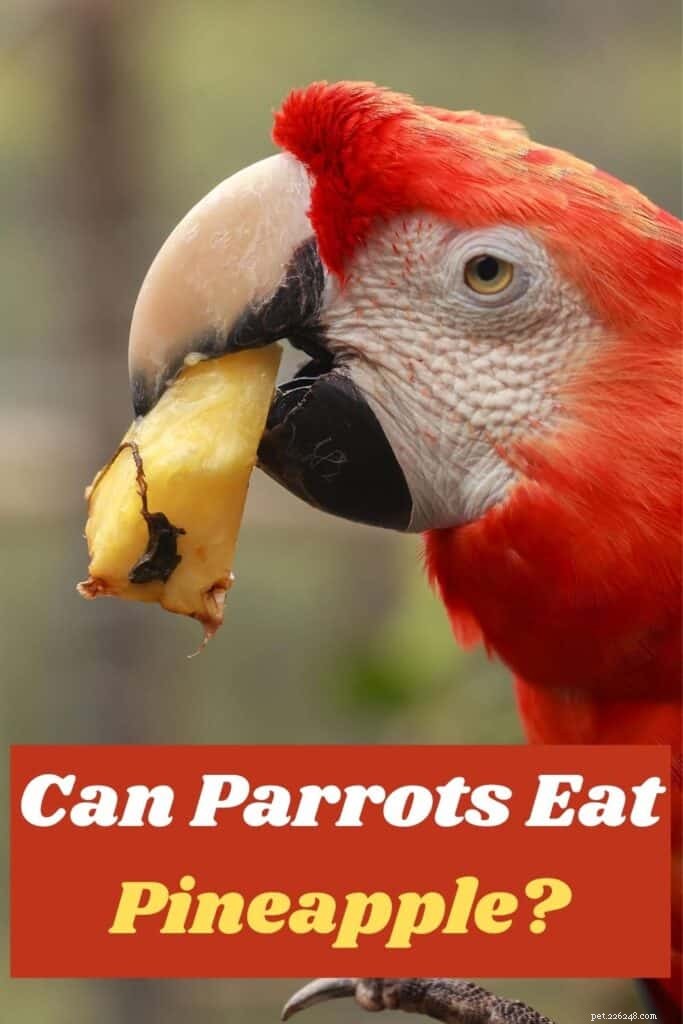
Parrots have strong, curved beaks that allow them to open tough fruit skins and enjoy the juicy interior. Pineapple is packed with antioxidants (phenolic acids, flavonoids), vitamin C, and the enzyme bromelain, all of which support immune function, reduce inflammation, and aid digestion.
Research from institutions such as Monash University highlights how carotenoids—found in pineapple’s bright flesh and skin—boost vitamin A levels, enhancing feather coloration and overall health. A diet rich in these nutrients helps prevent common issues like vitamin A deficiency in captive birds.
- Phenolic acids & flavonoids: reduce oxidative stress and protect DNA
- Vitamin C: supports immune health and eye function
- Bromelain: lowers inflammation markers
- Digestive enzymes: facilitate protein breakdown and smooth bowel movements
Feeding the Skin, Core, and Juice Safely
Skin—The outer peel is a good source of beta‑carotene, vitamin A, and manganese. It is safe to offer a small piece, as it helps maintain feather vibrancy and bone strength.
Core—Packed with fiber and vitamin C, the core supports digestive health. Trim it into bite‑sized pieces to avoid choking hazards.
Juice—Pure, unsweetened pineapple juice is an excellent source of antioxidants. Avoid commercial blends that contain added sugars or preservatives, which can cause aggression or digestive upset. Serve no more than a tablespoon per bird, once a week.
Practical Feeding Tips
- Always rinse fresh pineapple to remove potential pesticide residues.
- Use fresh fruit; canned pineapple often contains added sugar or sulfites.
- Offer small, manageable pieces to prevent choking.
- Monitor your bird for any signs of digestive discomfort or behavioral changes.
- Pair pineapple with a balanced diet of pellets, leafy greens, and occasional seeds.
Conclusion
Pineapple can be a delightful, nutritious treat for parrots when given in moderation and with proper preparation. By following these guidelines, you’ll help your feathered companion thrive and maintain a vibrant, healthy plumage.
- Understanding Myasthenia Gravis in Dogs: Symptoms, Diagnosis, and Care
- Ca de Bou Dog: Majorcan Guard Dog with Timeless Heritage
- 2024 USA Eastern Box Turtle Breeders – Trusted Sources & Buying Guide
- Horses Lifespan: Average Years, Care Tips & Record Longevity
- 8 Short‑Tailed Cat Breeds You’ll Love – With Photos
- Master Dog Obedience: A Comprehensive Guide to Positive Training
- Dog Meningitis: Symptoms, Risks & Urgent Treatment