

Can Parrots Eat Bananas? Fresh vs. Dried – A Vet‑Approved Guide
Bananas are a safe, nutritious treat that can be seamlessly integrated into a parrot’s diet alongside seeds and pellets. Many owners enjoy offering fresh banana slices or homemade sun‑dried chips, and our own parrot happily devours both.
Unlike fruits with toxic pits—such as apples, cherries, or peaches—bananas contain no harmful seeds or stones, so you can feed them without extra precautions.
Rich in essential vitamins and minerals, bananas help keep your feathered companion healthy, strong, and lively.
Looking for a new cage? Check out the top‑selling online cage on Amazon here.
The Health Benefits of Bananas
Magnesium
Magnesium is vital for nearly all biochemical reactions in a bird’s body. A single large banana supplies about 37 mg—a substantial portion of the daily requirement—supporting bone strength, feather quality, nerve function, and a robust beak. Regular inclusion can improve muscle coordination and cardiovascular health.
Iron
Bananas provide a moderate amount of iron, the mineral that builds hemoglobin. Adequate iron prevents anemia, while excessive amounts can cause iron‑storage disease. The iron content in bananas strikes a safe balance, ensuring efficient oxygen transport in your parrot’s bloodstream.
Vitamin A
Deficiency of vitamin A is one of the most common but preventable avian health issues, especially in seed‑only diets. Seeds like peanuts and sunflower are low in this nutrient, whereas bananas are packed with vitamin A, supporting vision, reproduction, immune function, and feather maintenance.
Vitamin B6 (Pyridoxine)
Vitamin B6 is water‑soluble and must be supplied daily. It plays a key role in protein metabolism and neurological health. Feeding your parrot B‑rich foods such as bananas helps avoid growth retardation, neuromuscular problems, and skin disorders.
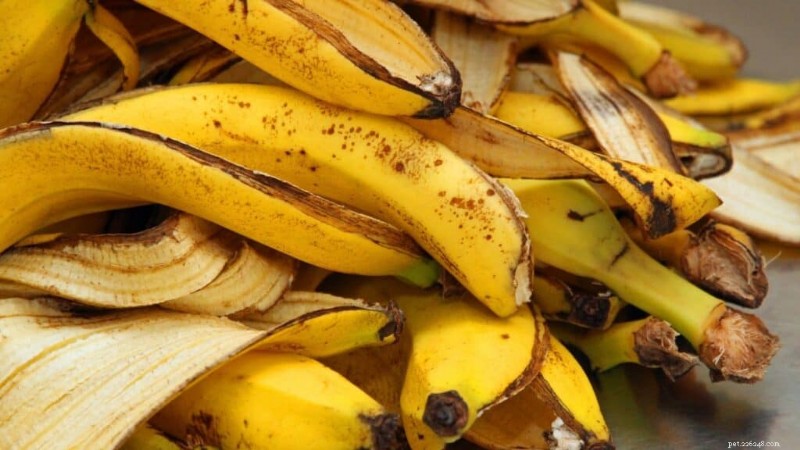
Are Banana Peels Safe for Parrots?
If sourced from organic cultivation, banana peels contain catechins—antioxidants that can offer antimicrobial and cholesterol‑lowering benefits. However, conventional bananas are often sprayed with pesticides that can remain on the peel. Even thorough washing may not remove all residues, posing a health risk. Therefore, only feed peels from certified organic bananas, and do so in moderation.
Banana Chips: A Treat or a Risk?
Commercially produced banana chips are typically high in added sugars and sometimes contain preservatives, which can contribute to digestive upset, obesity, and endocrine disturbances in parrots. To keep your bird’s diet clean, opt for homemade sun‑dried banana chips—free from added sweeteners and chemicals.
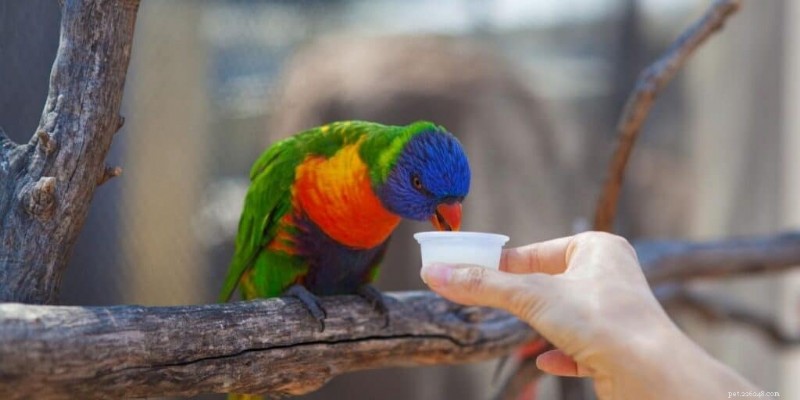
How to Feed Bananas Safely
- Serve fresh, raw bananas only. Mixing them with a variety of fruits and vegetables ensures a balanced diet.
- Choose organic bananas whenever possible to minimize pesticide exposure.
- Include green bananas or plantains, which have lower starch content and higher nutrient density, as a healthy alternative.
- Avoid cooked or processed bananas that lose nutrients and may introduce excess fats or sugars.
Conclusion
Bananas are soft, sweet, and irresistibly appealing to parrots. When incorporated in their natural form—raw slices, green bananas, or homemade sun‑dried chips—they provide a bounty of vitamin A, B6, iron, and magnesium. These nutrients support robust feather quality, strong immunity, and overall vitality. Add bananas to your bird’s daily menu responsibly, and enjoy the healthy snack they love.
- Devonshire Rex Cats: A Complete Guide to Their Curly Coat and Playful Nature
- Calcium Carbonate for Dogs: Proven Benefits, Safe Uses & Key Side Effects
- Enhance Your Dog’s Digestive Health with Targeted Enzyme Supplements
- Lagotto Romagnolo Personality & Temperament Guide
- Hermann's Tortoise Species Guide: Care, Habitat, and Health
- Cat Peeing Outside the Litter Box While Pooping Inside: Causes & Solutions
- Veterinary Pain Management for Dogs: Modern, Compassionate Care