

Is Watermelon Safe for Parrots? A Complete Feeding Guide
Approximately 30% of a pet parrot’s daily diet should come from fresh vegetables and fruits. In the wild, parrots are omnivores that consume a mix of vegetation and protein sources such as fruit, nuts, flowers, seeds, insects, and buds.
To mirror this natural diversity, you can offer a colorful assortment of foods, and watermelon is an excellent addition. Leafy greens, red and yellow fruits, and nutrient‑dense vegetables should all feature prominently in a balanced parrot diet.
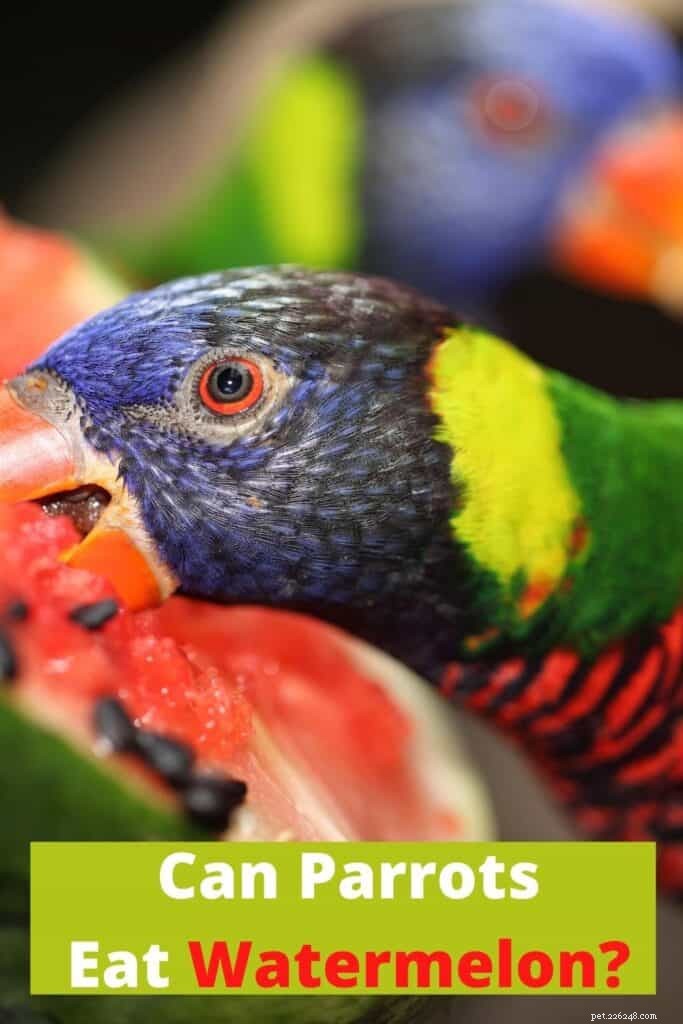
Parrots enjoy larger food portions because they provide both enrichment and entertainment. Whole chunks of fruit, such as watermelon, are therefore especially appealing.
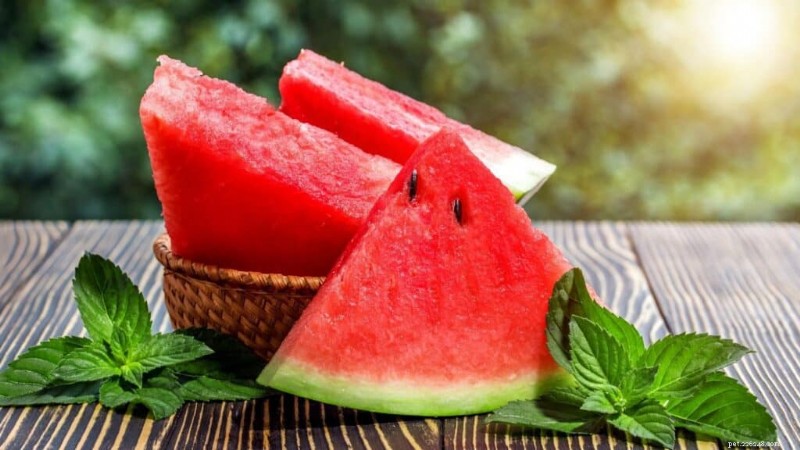
The iconic summer fruit combines a striped green exterior, bright pink rind, and dark seeds that speckle its sweet, juicy interior—mirroring the vibrant plumage of many parrot species.
Watermelon Is Safe for Parrots
Watermelon is not only tasty but also rich in essential nutrients that support a parrot’s health. Originating from the Cucurbitaceae family, it provides a refreshing source of hydration and vital minerals.
With a 92% water content, this African native is a low‑calorie snack packed with lycopene, the carotenoid responsible for its pink flesh. Lycopene is a powerful antioxidant that benefits skin, heart, lungs, and eye health.
Beyond lycopene, watermelon offers:
- High fiber content to promote healthy digestion
- L‑citrulline, an amino acid that eases muscle soreness and supports development
- Vitamin C for skin integrity and immune support
- Choline, which reduces inflammation and supports cellular structure and muscle function
- Vitamin A for feather maintenance and regeneration
- Potassium to help regulate blood pressure and cardiac health
- Magnesium for neuronal development, bone strength, and feather quality
- Iron for hemoglobin production
Should Parrots Consume Watermelon Seeds?
Seeds are a natural treat for parrots. Their strong jaws can crack most nutshells, allowing access to both seed and pulp. In captivity, a varied diet of vegetables and fruits ensures a steady supply of vitamins, minerals, and carbohydrates.
When feeding watermelon, parrots typically target the seeds first, scattering pulp around the cage. To prevent mess and potential choking, cut the fruit into bite‑sized pieces. Some owners soak seeds overnight to soften them before offering them.
Seeds remain a valuable source of magnesium, copper, folate, zinc, and potassium—nutrients that support bone, feather, heart, and metabolic health.
Can Parrots Eat Watermelon Rind?
Organic watermelon rind contains citrulline, an amino acid that reduces muscle fatigue and supports cardiovascular function. It also provides dietary fiber, aiding digestion and weight management.
If the watermelon is not organically grown, avoid feeding the rind due to potential pesticide residues and wax coatings. Washing the rind may remove some contaminants but not all. In such cases, limit feeding to the flesh and, if desired, the seeds.
Watermelon Juice for Parrots
Juiced watermelon can be a refreshing treat. Blend a small portion and serve to your bird, but monitor portions to avoid overly watery stools, as parrots have fast‑acting digestive systems.
For example, macaws typically consume 1½ cups of fruit and vegetables daily, while parakeets need roughly ¾ cup. Adjust juice volume accordingly.
Key Takeaways
All parts of an organically grown watermelon are safe for parrots when offered in moderation. A balanced diet—including a variety of fruits, vegetables, seeds, and occasional watermelon—supports optimal health and natural enrichment.
- Traveling with Your Parrot or Bird: Expert Tips for Stress‑Free Vacations
- Top Dog DNA Test Deals: Black Friday & Cyber Monday Savings 2022
- How to Effectively Donate to Animal Charities
- Why Australian Shepherds Love Digging: The Surprising Reasons
- Equine Protozoal Myeloencephalitis (EPM): Symptoms, Diagnosis, and Treatment for Horses
- Why Do Boxer Dogs Frequently Lick the Air? Common Reasons Explained
- Mastering Boxer Training: Proven Techniques for a Well‑Behaved Companion