

Can You Keep a Bird in Your Apartment? A Guide to Rules, Noise, and Best Breeds
Apartment pet policies vary widely—there’s no universal rule. Whether a bird can live with you depends on the landlord, the building manager, and the specific tenancy agreement.
In most cases, caged birds are permitted when the lease explicitly allows them or when no pet policy is stated at all. However, the breed matters; quieter species are less likely to trigger complaints, while loud parrots can lead to disputes or even eviction.
Below we break down the key factors that influence whether you can keep a bird in your apartment, how to navigate noise concerns, and which breeds are most apartment‑friendly.
Do Apartment Buildings Allow Birds?
Short answer: it depends. Even if you own the unit, shared walls mean your habits can affect neighbors. Always review the lease or building contract for a pet policy clause before purchasing a bird.
Many landlords adopt a “caged pet” provision that covers fish, hamsters, guinea pigs, reptiles, insects, and birds—provided they don’t cause damage. Birds, however, sit in a gray area because of the wide range of noise levels and potential for property wear.
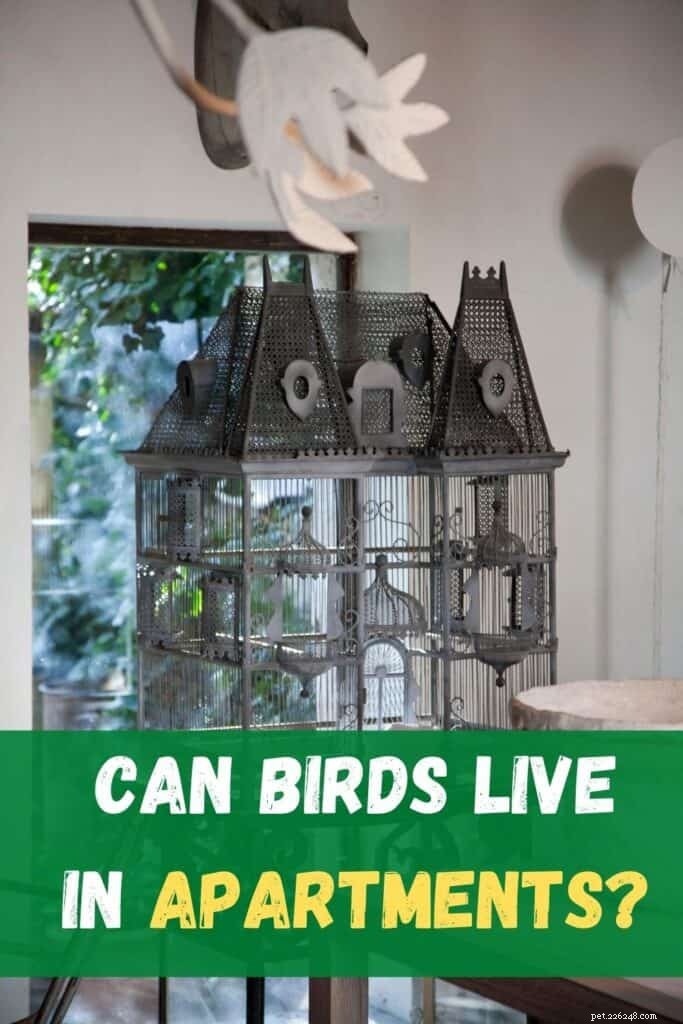
Are Birds Classified as Pets in Tenancy Agreements?
Tenancy contracts frequently distinguish between enclosed and free‑roaming pets. Caged birds typically fall under the former, which limits the risk of damage and eases landlord concerns.
Before you commit, speak directly with your landlord or building manager. They may approve a pet bird if you can demonstrate that the bird will not damage the property or disturb neighbors. A higher deposit is common to cover potential issues.
Tenancy Agreement: The First Reference Point
Any lease—whether for renters or owners—will outline the pet policy. If birds aren’t mentioned, don’t assume they’re allowed; instead, request clarification. Attempting to conceal a bird can strain landlord relations and may lead to eviction.
Birds naturally chirp, so noise is a real concern. Neighbors can easily detect a bird’s call through walls, especially in high‑rise buildings.
Noise and Neighbor Relations
Hidden pet birds often result in conflicts. Noise complaints are common, and landlords may revise pet rules if complaints persist. A helpful Reddit thread suggests strategic cage placement to minimize disturbance—though we strongly recommend transparency with your building’s management.
Best and Worst Birds for Apartment Living
Choosing the right breed can make all the difference. Below is a quick reference based on The Spruce Pets and our own experience.
Quietest Pet Birds
- Budgerigar
- Canary
- Finch
- Cockatiel
- Parrotlet
- Pionus Parrot
- Bourke’s Parakeet
- Senegal Parrot

Noisiest Pet Birds
Parrot breeds can reach 120 dB—loud enough to require ear protection and to trigger neighbor complaints. Nighttime vocalizations are especially problematic.
- Cockatoo
- Macaw
- Eclectus
- Amazon Parrot
- African Grey
- Lorikeet
- Ringneck Parakeet
Key Take‑Away
Birds can be allowed in apartments, but success hinges on:
- Reading your lease for a clear pet clause.
- Discussing the specific bird with your landlord.
- Choosing a quiet, caged breed to reduce noise and damage risks.
Most landlords are open to well‑managed pet birds, but strict ones will enforce stricter rules. The safest route is to opt for a small, quiet species and keep the cage in a discreet, low‑traffic area.
- Tosa Dog Behavior: Patience, Courage, and Family Bond
- Preventing Heat-Related Pet Tragedies: How to Keep Your Dogs Safe in Cars
- Protect Your Pet on 4th of July: Anxiety Prevention & Safety Tips
- Caring for a Blind Cat: Tips for a Healthy, Happy Life
- Cat Overgrooming Leading to Bald Spots: Causes, Symptoms, and Vet Advice
- 15 Regal Dog Names That Command Respect
- Pomeranian Growth & Weight Guide: Accurate Chart & Expert Tips