

Loneliness in Budgies: How Social Needs Impact Lifespan & Care
Meet Charlie, the world’s oldest budgerigar. Born in April 1948 in England and passing away in June 1977, he lived an impressive 29 years – a record that still stands for the species.
Budgerigars (Melopsittacus undulatus), often called budgies or parakeets in the United States, are one of the most popular small pet birds, ranking just below cats and dogs in pet ownership statistics.
Loneliness can threaten a budgie’s health. While the birds may not show visible sadness, a lack of a companion can prevent adequate preening and social interaction, leading to feather damage, skin irritation, and increased susceptibility to disease.
These charming birds are known for their affectionate nature and, with proper training, their ability to mimic human speech. Their small size also keeps maintenance costs low, making them an ideal choice for many households.
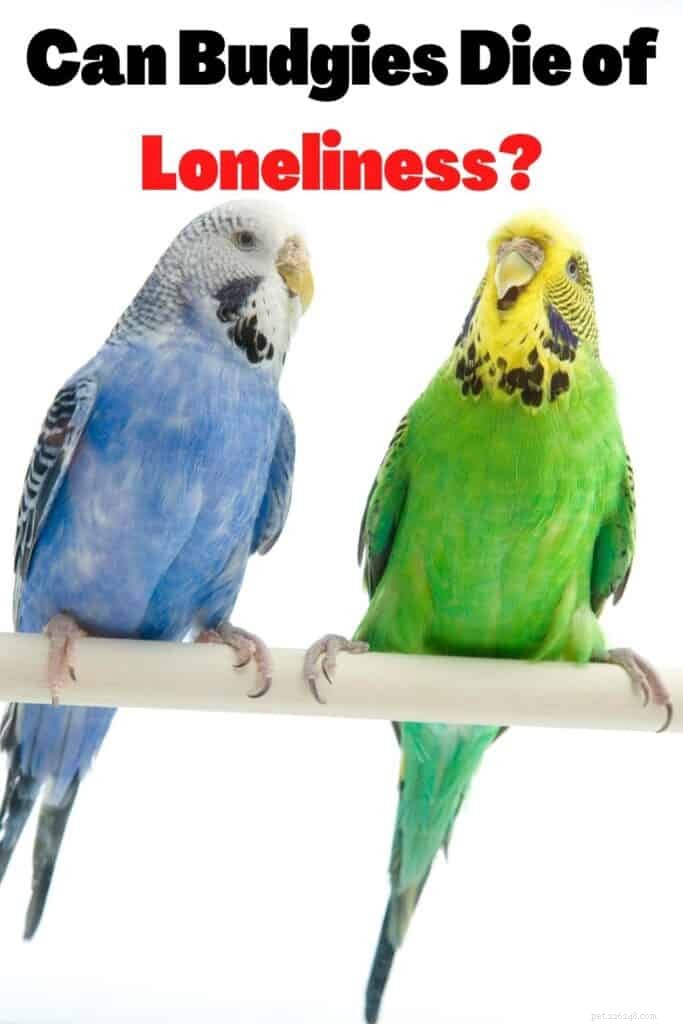
Small animals generally have shorter lifespans due to higher metabolic rates, but budgies defy this trend. In captivity, a well‑cared budgie can thrive for 15 – 20 years, and exceptional cases like Charlie have surpassed that range.
They hold the title for the longest‑living parakeets, partly because they have undergone less intensive selective breeding than larger species such as the English or African grey parakeet.
Upgrade your budgie’s home with a top‑rated cage. Explore our recommended pre‑wrought iron flight cage on Amazon: Amazon.com.
Prevue Pet Products Wrought Iron Flight Cage with Stand F040 Black Bird Cage, 31‑inch by 20‑1/2‑inch by 53‑inch
In stock.
Amazon price updated: June 9 2026 22:42.
How long can a budgie live?
In captivity, the median lifespan is 5 – 8 years. With optimal nutrition, veterinary care, and a stimulating environment, many budgies reach 15 – 20 years, and rare individuals can exceed that, as demonstrated by Charlie.
Wild budgies live only 4 – 6 years due to predation and limited resources. Genetics, diet, and environmental enrichment play pivotal roles in longevity.
Overweight and inactivity can lead to organ failure and lipomas. A balanced diet—freshly sprouted greens, leafy vegetables, a mix of seeds, a cuttlebone, and a mineral block—mirrors their natural diet and promotes health.
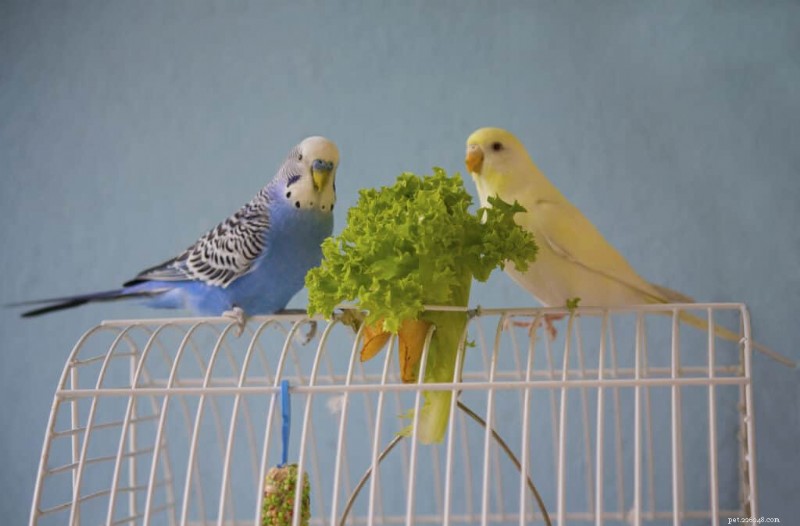
Couple of budgies eating green salad as part of a balanced diet.
A typical happy budgie life
In the Australian grasslands, wild budgies flock together for safety, food, and mates. Their social nature is a key survival trait, and they often form large, nomadic groups.
In the wild, budgies start breeding at about one year of age and continue to reproduce each rainy season, pairing with multiple partners within a flock.
Even in captivity, budgies thrive when given the opportunity to bond with a companion. A morning routine of chirping and play keeps them mentally stimulated.
Can loneliness lead to premature death?
During the day, budgies engage in mutual preening and play. If left alone, they may experience stress, decreased grooming, and health decline. A single budgie that remains quiet or lethargic may signal underlying issues.
Veterinarians often recommend increased interaction or a second budgie to restore social dynamics and improve wellbeing.
How to combat budgie loneliness
Burdened by silence, a budgie can develop depression, leading to a cascade of health problems. Simple enrichment measures—mirrors, recorded bird sounds, or human voices—are insufficient substitutes for real interaction.
Effective strategies include:
- Providing a compatible companion to preen, chat, and play together.
- Keeping two budgies in separate but adjacent cages when they are still acclimating, then gradually allowing shared space.
- Opening windows or using a screened patio to let your budgie observe and interact with outdoor birds.
- Designating daily “talk time” to sing, whistle, or speak to your bird.
- Playing soft human voices or music while ensuring it is not overly loud.
- Housing the cage outdoors or in a high‑traffic area to encourage natural interaction.
Conclusion: Loneliness and budgie lifespan
While budgies can survive alone for a period, providing mental stimulation—shiny toys, bells, treats, and puzzle feeders—can extend their life and enhance quality of life. Consistent interaction and a healthy diet are the cornerstones of a long, vibrant budgie.
- German Shepherd–Doberman Mix: Ideal Guard Dog for Families
- Dog Side Effects of Theophylline: What Owners Need to Know
- Choosing the Right Training Collars or Harnesses for German Shepherd‑Husky Mixes
- Why American Staffordshire Terriers Turn to Destructive Behavior When Bored (And How to Prevent It)
- How to Ensure Your New Dog Is a Good Match for Your Current Pets
- Why Indoors Keep Cats Healthier and Protect Wildlife
- Expert Guide to Living With and Training a Blind Dog