

Are Parakeets Loud? Decoding Their Vocalizations & What They Mean
Bringing a parakeet into your home can transform everyday moments into vibrant, feathered companionship. These beloved birds are not only stunningly colorful and sociable, but they also bring a lively soundtrack to your life.
In fact, parakeets—also known as budgerigars or budgies—are among the most vocal parrots. While they may surprise you with bursts of high‑volume chatter, their loudness is usually limited to short, infrequent outbursts.
According to a 2016 University of Leiden study, parakeets can detect abstract patterns in language, matching the cognitive abilities of a 7‑month‑old human infant. This remarkable intelligence, combined with their natural curiosity, makes them outstanding conversational partners.
Although they are diurnal and tend to sleep quietly at night, a typical parakeet may produce a loud scream or squawk once a day for several minutes—usually no longer than half an hour. Below is a practical guide to interpreting their sounds and ensuring you meet their needs.
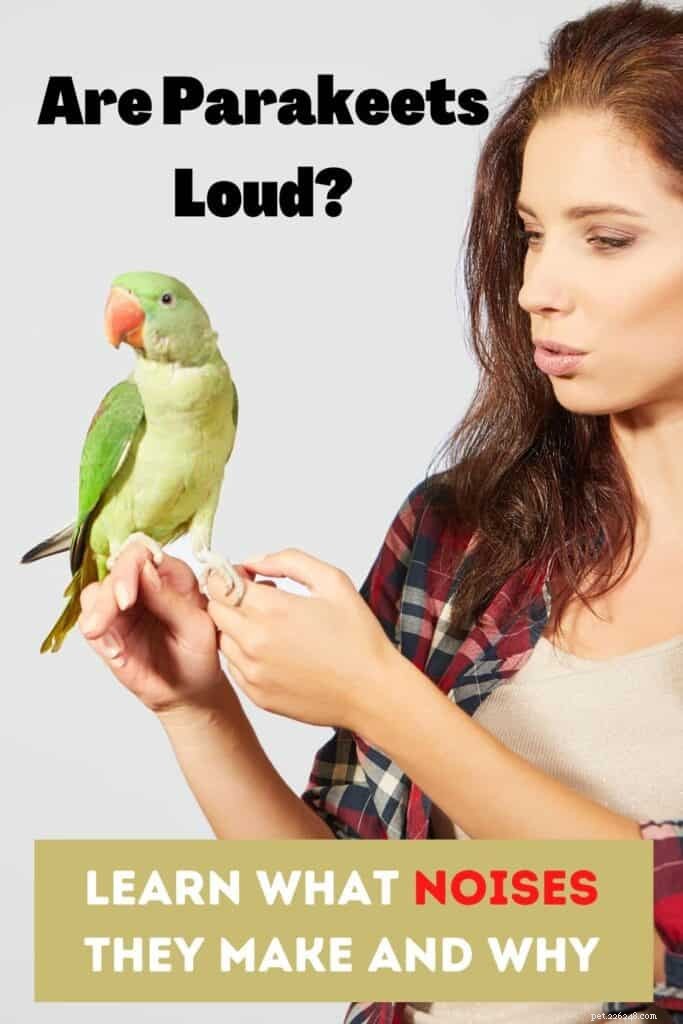
Understanding Parakeet Sounds and Their Meanings
Parakeets communicate through a range of noises that reflect their emotional and physical states. Recognizing these cues helps you respond appropriately and strengthen the bond you share.
Squawking
Squawking is often the most alarming sound to hear. It signals distress or threat. Common triggers include:
- Perceived predator or danger
- Hormonal changes during mating season
- Physical injury or pain
- Unmet basic needs such as food or water
When you hear squawking, check the environment for hazards, ensure the bird’s basics are met, and soothe them with a calm voice or a gentle blanket to create a secure space.
Hissing
Hissing—an audible “tss‑ts” sound—serves as a warning that a bird’s personal space is being invaded. It’s common in crowded aviaries or when nesting birds feel threatened. Give your parakeet ample space and consider rearranging cage placement to reduce this behavior.
Singing
While not traditional songbirds, parakeets produce delightful whistles, trills, and chirrups. These “tuneless” melodies usually indicate happiness and social bonding, especially when two birds sing together.
Chattering
Chattering involves rapid, self‑conversational noises often accompanied by a slight hunch. It is a natural habit—male birds may chatter to court mates, while isolated individuals may chatter to themselves.
Chirping
Chirping is the most common sound. It can signal joy, contentment, or a call for attention. Frequent chirping upon your arrival may indicate loneliness; a brief interaction and feeding usually calm the bird.
Unhappy Tweets
When chirping turns into a prolonged, loud “tweet,” it often reflects frustration or discomfort—perhaps a missing food dish, a dislodged perch, or perceived threat. Address the underlying cause promptly.
Beak Grinding
Beak grinding—soft, rhythmic grinding of the beak halves—resembles a cat’s purr and indicates contentment. This joyful sound typically occurs while the bird sits or perches calmly.
Other Vocal Expressions
Parakeets are adept imitators; you may hear them mimic a phone ring, baby cries, or other household sounds. This mimicry shows they’re engaged and entertained. However, if a particular sound seems unusual, observe the bird’s body language for signs of stress.
Female parakeets are generally less vocal than males, so patience is key when teaching them to talk. With consistent practice, most parakeets can learn hundreds of words—sometimes surpassing larger species.
Choosing the Right Cage
Proper housing is essential for a healthy, happy parakeet. Provide a spacious cage that allows ample flight and exercise. A cramped cage can lead to vocal complaints and destructive behavior.
We recommend the Prevue Parakeet and Parrot wrought‑iron cage—a leading choice for quality and safety.
Tips for Teaching Your Parakeet to Talk
- Begin training when the bird is 3–4 months old.
- Use the language spoken most frequently in the home.
- Start with simple words like the bird’s name and those of other pets.
- Avoid punishment; instead, use positive reinforcement.
- Reward with a small treat after each successful session.
- If you have multiple birds, train one first; it can set an example for others.
- Speak enthusiastically and use animated tones to capture interest.
- Gradually introduce short phrases after mastering basic words.
- Introduce object names by pointing while holding the bird.
Final Thoughts
The short answer to “are parakeets loud?” is yes—they are naturally vocal, but their noise is typically manageable and purposeful. By understanding the meanings behind their sounds, you’ll be better equipped to meet their needs and enjoy a harmonious partnership.
- Protect Your Christmas Tree from Your Dog: Stress‑Free Safety Tips
- Do Dogs Experience Homesickness? Identifying Signs and Providing Comfort
- 4-Ingredient Homemade Dog Treats for Sensitive Stomachs
- Shih Tzu Size Guide: Height, Weight & Ideal Dimensions
- Urgent Rescue: A Cold, Wet Puppy Saved by Animal Aid Unlimited
- The Purpose of a Cat’s Tail: Balance, Communication, and Survival
- Do Pheasants Fly? The Truth About Their Flight Capabilities