

Stop Kittens from Biting: Proven, Gentle Strategies for Calm Play

It’s natural for kittens to explore their surroundings by biting objects with their teeth. However, it’s important to fix the problem sooner than late. Keep reading to learn the causes and ways to eliminate kitten biting once and for all.
Table of Contents
Symptoms of kitten teething
Hill’s Pets points out that kittens don’t feel any pain during the teething process, and many owners won’t even know that their kitty is losing teeth unless they find one. However, the following signs of kitten teething can help you to identify it.
- Sore, red gums
- Minimal bleeding of the gums
- Excessive biting (and chewing)
- Appetite loss
- Less grooming
- Pawing at the mouth
If any of these symptoms happen, you can buy some teething kitten toys to help to stop kitten chewing on your belongings. You can also make DIY kitten teething toys at home for your feline friend in you want.
- You may be wondering, when do kittens start teething. Well, kittens start teething around the age of 10 weeks (permanent teeth) and this process continues for the next 3-4 months. During this phase, the gums of your kitten are sore and they will indulge in excessive chewing.
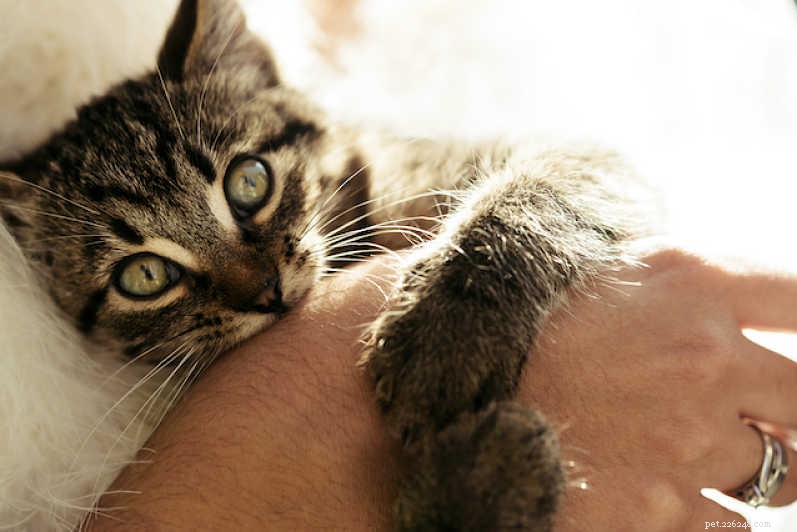
Why kittens bite?
Besides teething, some other causes of kitten biting are described below.
Illness – If your kitten is biting, it could be due to injury. The Spruce Pets recommends a gentle pat down of your kitten. If you are being gentle and your kitten reacts negatively, it is most likely injured in that area. If so, a trip to the veterinarian is a good idea.
Exploring the surroundings and get attention – Kittens use their mouths to pick up and examine things in their environment. They may even bite things to gauge its reaction. For example, biting a cat toy will make it squeak. If so, get more toys so that your kitten will chomp on them instead of your belongings. Squealing and running away can also be an encouraging sign for some kittens when they bite you. This means that they will keep biting you to get a response. Chewy clarifies that this behavior is more common among those kitties who don’t get enough mental stimulation.
Fear – Sometimes, kittens tend to bite because they are afraid of someone or something. If your young feline bites only when he/she is around a particular person or in a specific place, fear could be the culprit.
Love bites – Your feline friend may indulge in play aggression, especially if he/she is a singleton kitten. Because he/she has no playmate, your kitten will try to play with you and bite you in the process. This can be an extremely frustrating and painful experience for the cat parent.
- Pet Behavior
- Pet Breeds
- Pet Names
- Pet Adoption
- Pet Training
- Cat Stories
- Pet Health
- Adorable Pets
- Cats
- Effective Ways to Stop Your Shih Tzu Puppy from Biting
- Safe Flea Removal for Newborn Kittens: A Complete Guide
- How to Safely Rescue a Kitten Trapped in a Small Hole
- Understanding and Preventing Kitten Biting: 6 Key Reasons and Practical Solutions
- Stop Your Kitten from Biting: Proven Teething Solutions for Gentle Play
- Prevent Kitten Scratching & Biting: Proven Strategies for Gentle Play
- Understanding and Preventing Kitten Biting: A Practical Guide