

What Drives Cats to Chase Their Tails: Causes, Risks, and Practical Solutions
When a cat’s tail starts to twitch, the playful ritual can quickly turn into a dizzying display of acrobatics as the animal attempts to catch its own moving appendage.
Such antics raise several questions: Is tail chasing merely playful, or does it signal deeper behavioral or medical issues? This article explores the motives behind the behavior and what owners should watch for.
Do Cats Chase Their Tails?
While tail chasing is often associated with dogs, cats also exhibit this behavior—especially during kittenhood. Adult cats typically outgrow the habit, but persistent or obsessive tail chasing in mature felines can be a red flag for underlying health or behavioral problems.
Why Do Cats Chase Their Tails?
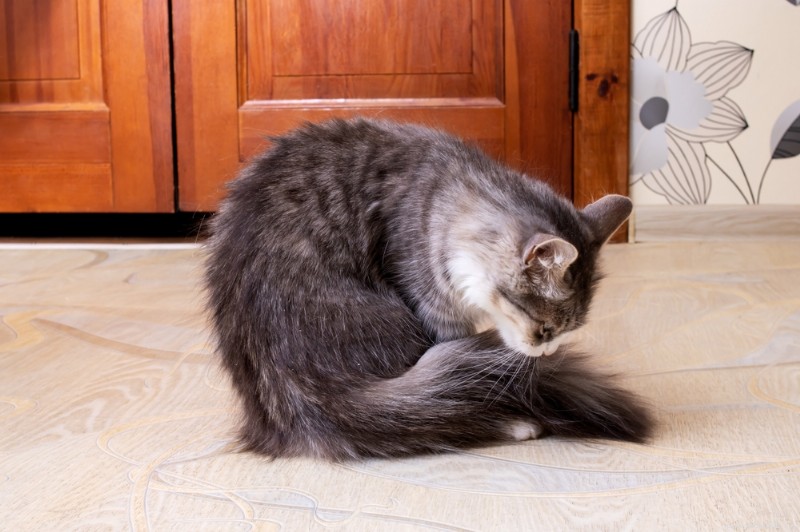
The motivations behind tail chasing range from harmless play to potential health concerns. Understanding why your cat is chasing its tail helps you provide the right support.
#1: Play and Exploration
Heather Alvey, a certified cat behavior consultant and founder of Felidae Behavior Consulting, explains that tail chasing is a normal part of kitten development. Young cats are naturally curious and use their tail as a moving target to entertain and explore. Though most kittens outgrow the behavior, some adults may retain it.
#2: Predatory Instincts
Dr. Rachel Geller, Ed.D., a certified cat behaviorist and founder of All Cats All the Time, notes that cats are born hunters. A strong prey drive can manifest as tail chasing, especially when there are few opportunities for natural hunting behaviors. This instinctive drive is most pronounced in kittens but can persist in adults.
#3: Boredom or Stress Relief
Tail chasing can also be a self‑soothing response to boredom, lack of stimulation, or stress. When a cat’s environment is inactive or the cat feels anxious, chasing its tail can serve as a way to pass the time or alleviate discomfort. If the behavior escalates, it may become compulsive.
#4: Medical Concerns
When tail chasing is frequent or accompanied by biting, it may indicate pain or irritation. Potential medical causes include:
- Injury or infection – The tail can suffer bite wounds, abrasions, fractures, or inflammation. Grooming or chasing may be an attempt to clean or soothe the affected area.
- Allergies – Environmental, dietary, or flea‑related allergies can cause itching on the tail. Cats may chase and bite to relieve the itch.
- Feline hyperesthesia syndrome – A neurological disorder that produces skin twitching, agitation, and sensitivity to touch. It most commonly affects Siamese cats aged 1–5.
- Stud tail (supracaudal gland hyperplasia) – Excessive oil production at the base of the tail can lead to inflammation, irritation, and infection, prompting the cat to lick, bite, or chase.
- Anal sac issues – Impacted or infected anal glands can cause discomfort behind the tail, leading the cat to chew or bite at the area.
How to Reduce or Stop Tail Chasing in Cats
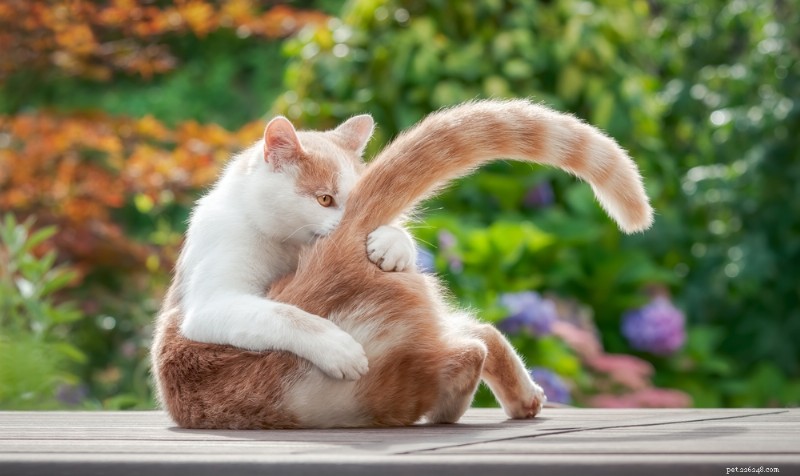
Occasional tail chasing, particularly in kittens, is usually harmless. However, frequent or obsessive behavior warrants investigation and intervention. Below are evidence‑based strategies to address the issue.
1. Rule Out Medical Issues
Begin with a veterinary examination to eliminate any underlying health problems. Prompt treatment of injuries, infections, or glandular issues can prevent further complications.
2. Provide Mental and Physical Stimulation
Enrich your cat’s environment to reduce boredom and redirect hunting instincts:
- Daily play sessions (20–30 minutes) – Interactive play with wand toys allows the cat to complete the full prey sequence, satisfying instinctual needs.
- Diverse toys – Self‑play and electronic toys keep the cat engaged. Rotate toys every few weeks to maintain novelty.
- Scratching posts, cat trees, tunnels – These structures support natural scratching, climbing, and hiding behaviors.
- Puzzle feeders – Encourage problem‑solving and slow feeding, which provides mental stimulation.
3. Create a Calm Environment
Reduce stress by maintaining a predictable routine and offering safe, quiet retreats. Consider a pheromone diffuser like Feliway Classic to promote relaxation.
4. Redirect Your Cat’s Behavior
If the behavior is behavioral rather than medical, distraction and redirection can be effective. Geller recommends diverting the cat’s focus to a wand toy, rewarding successful “prey” capture with a treat to reinforce the natural hunting cycle and signal the end of the chase.
5. Consult a Cat Behaviorist
When medical causes are ruled out and enrichment strategies fail, a professional behaviorist can develop a tailored modification plan and provide guidance to owners.
Putting an End to Excessive Tail Chasing
Persistent tail chasing may indicate an underlying issue. By addressing health concerns, offering robust stimulation, and fostering a calm environment, you can help your feline companion break the cycle and lead a happier, healthier life.
- Pet Behavior
- Pet Breeds
- Pet Names
- Pet Adoption
- Pet Training
- Cat Stories
- Pet Health
- Adorable Pets
- Cats
- Understanding Dog Lymphoma: Signs, Diagnosis, and Treatment
- 11 Insider Insights Only Cat Owners Truly Grasp
- Your Cat’s Human Age: A Practical Guide to Understanding Feline Aging
- Do Cats See Color? A Scientific Look at Feline Vision.
- How to Speak Meow: Clever Ways to Communicate with Your Cat
- Veterinary Insight: Does Catnip Truly Affect Your Cat?
- Optimal Nutrition for Dogs with Cushing’s Disease: A Veterinary Guide