

The Science Behind Cats’ Love for Cardboard Boxes
If you’re hunting for your cat in the house, the first place to check is often the cardboard box you’re about to toss in the recycle bin. Cats are notorious for playing in, sleeping in, and simply inhabiting boxes. Why does this happen?
Cat and Cardboard: A Timeless Connection
Experts agree that a cat’s fondness for boxes is rooted in ancient survival instincts. By understanding why boxes satisfy a cat’s needs, we can design environments that boost their well‑being—whether that means adding more boxes or other cozy nooks.
Do All Cats Like Boxes?
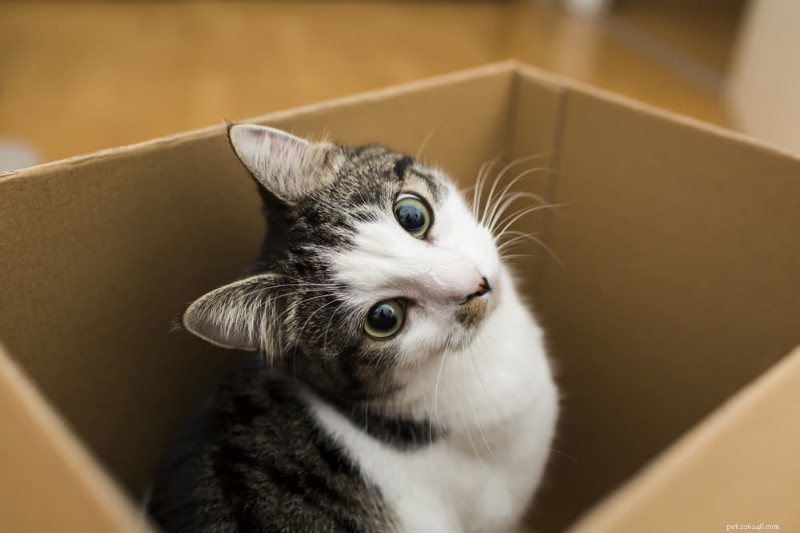
Each cat is unique. While many enjoy a shallow cardboard hideout, others prefer the height of a cat tree or the openness of a free‑standing bed. According to Samantha Bell, a cat behaviorist with Best Friends Animal Society, cats can be “tree‑dwellers” or “bush‑dwellers.” Bush‑dwellers feel secure when all four paws are on the ground, ready to pounce from a low hideout, whereas tree‑dwellers stalk from elevated positions. Bell recommends offering both types of spaces—boxes, tents, and beds for the low, and cat trees, shelving, and perches for the high—so each cat can choose its preferred style.
Why Do Cats Like Boxes?
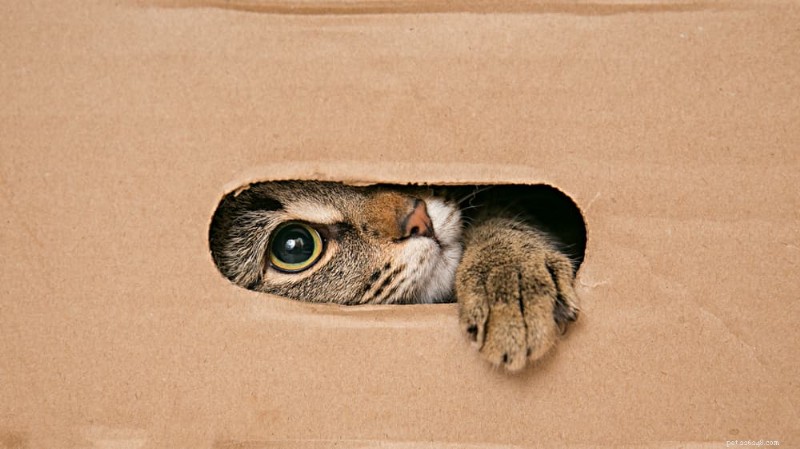
Dr. Brian Evans, a veterinarian in the Netherlands, explains that boxes tap into several innate feline drives: safety, hunting, curiosity, warmth, and the comforting memory of a kitten’s nest.
Safety
Even domestic cats keep a predator instinct alive. Enclosed spaces reduce the risk of an attack from behind, offering a sense of security. A Dutch study with shelter cats found that those given cardboard boxes adapted to their surroundings faster than those without—an insight that can help cats adjust during stressful times like a move.
Hunting
Boxes serve as perfect ambush points. From within, a cat can conceal itself while stalking a toy or a human, reinforcing the predator role that has been honed for millennia.
Curiosity
Cats are naturally inquisitive. Exploring tight corners satisfies their need to observe and test their environment, a behavior linked to survival in the wild.
Warmth
Domestic cats thrive at body temperatures between 99.5°F and 102.5°F. Cardboard’s natural insulation keeps a cat warm when the ambient temperature is 60–80°F, helping the animal regulate heat without exhausting energy.
Kitten Instincts
During the first few weeks of life, kittens stay in a snug nest—often a small, enclosed space like a box—where they are protected and fed. A similar environment in adulthood can trigger endorphin release, providing comfort and stress relief.
Are Boxes Beneficial for Cats?
Dr. Katherine Pankratz, a feline behavioral clinician in Portland, Oregon, emphasizes that a cat’s preference for a simple cardboard box over a fancy bed is not a sign of neglect. Meeting a cat’s individual environmental needs—whether that means a box, a tent, or a perch—can reduce stress and enhance welfare.
While a box may not match the aesthetic appeal of designer furniture, it is inexpensive, readily available, and often the first choice for a satisfied cat. If you plan to discard old boxes, consider repurposing them as a cat tree with a cubby, a tent, or even a carrier lined with blankets. Familiarizing the cat with the carrier can ease future travel.
Box Safety for Cats
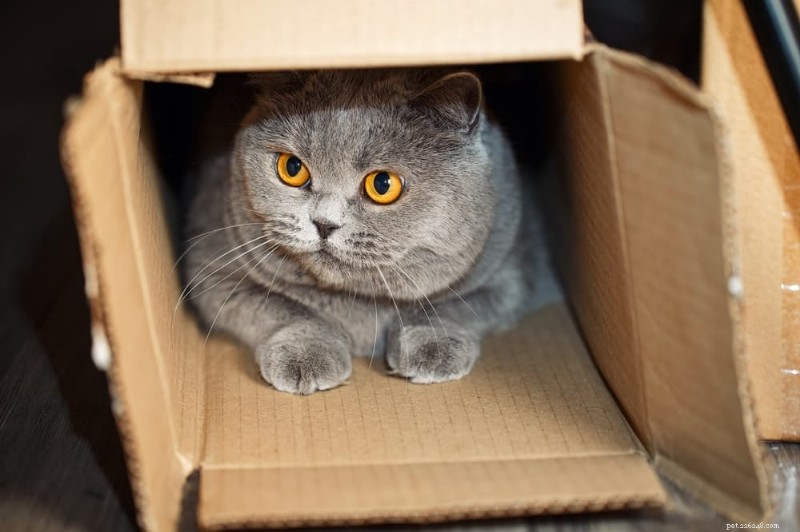
Before leaving a box for your cat’s use, follow these safety guidelines:
- Remove hazards. Cut off staples, trim loose tape, and ensure there are no small parts like silica gel packets that could be ingested.
- Place on a stable surface. An unsteady table can cause the box to tumble, which may startle or injure your cat.
- Ensure easy exit. Avoid blocking the box’s openings so your cat can leave whenever it wishes.
By combining the comfort of a cardboard box with thoughtful safety measures, you give your feline friend a sanctuary that aligns with their evolutionary needs.
- Pet Behavior
- Pet Breeds
- Pet Names
- Pet Adoption
- Pet Training
- Cat Stories
- Pet Health
- Adorable Pets
- Cats
- Everything You Should Know About the Old English Mastiff: Traits, Care, and Compatibility
- Top 10 Low‑Shedding Dog Breeds for Allergy‑Friendly Homes
- The Vibrant Red Bearded Dragon – A Beginner-Friendly Pet Choice
- Leonberger Puppies: Loving, Active, and Ideal Family Companions
- Maltese vs. Havanese: A Comparative Guide
- How Hot Pavement Affects Dogs: Protecting Your Pet from Sun Damage
- How to Safely Hide Dog Pills in Food: A Step-by-Step Guide