

Why Cats Groom Each Other: Hygiene, Bonding, and Health Insights
When it comes to grooming, cats are true connoisseurs.
"Cats are fastidious about cleanliness," says Dr. Marci L. Koski, certified feline behavior consultant and founder of Feline Behavior Solutions. According to her, flexible felines devote up to half of their waking hours—roughly 50 %—to grooming, bending, and stretching to keep every strand of fur, from the tips of their ears to the ends of their tails, immaculate.
In multi‑cat households, it’s common for cats to groom one another, offering quick licks behind the ears or even a full bath for their feline companions.
Cat Self‑Grooming: An Overview
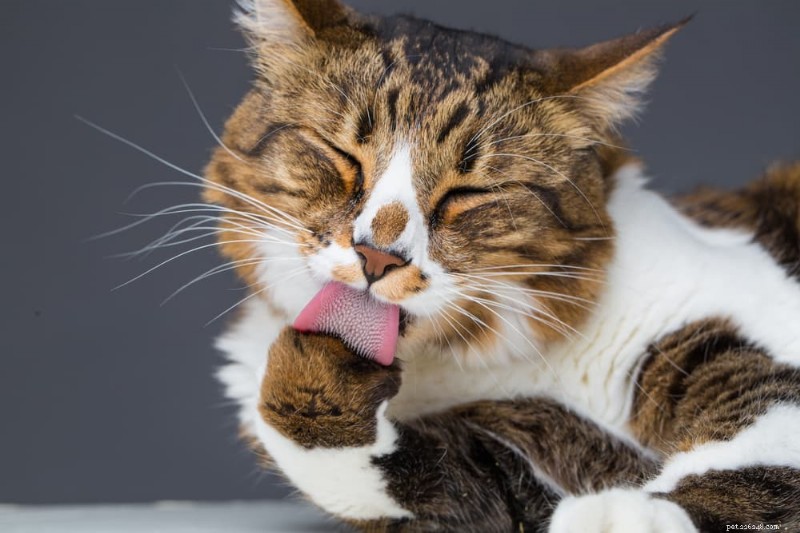
Grooming is a vital cat behavior. It removes dirt, distributes natural oils to keep coats silky, swipes away dead skin, eliminates parasites, and cleans wounds to prevent infection. For outdoor cats, grooming also helps strip scent markers that predators could detect—an observation noted by Dr. Koski.
Beyond hygiene, grooming is soothing. Cats’ tongues are equipped with hooked papillae—tiny, sandpaper‑like hairs—that comb through fur, removing mats and keeping coats smooth.
Why Do Cats Groom Each Other?
Mother cats begin grooming their kittens from birth, using their rough tongues to stimulate breathing and bowel movements. "A mother cat not only cleans her kittens but also teaches them essential grooming habits for adulthood," explains Jessica Watson, certified animal training and enrichment professional at Best Friends Animal Society.
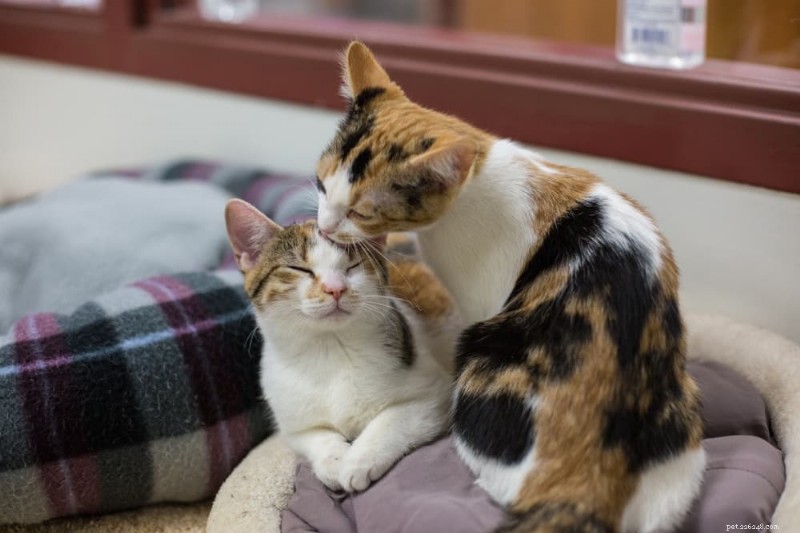
The act of cats grooming one another—known as allogrooming—continues well after kittens mature. It often targets the head and neck, areas that cats find hard to reach on their own. Allogrooming also signals affection and is most prevalent among related cats or those with strong social bonds.
Research from the University of Georgia indicates that households with related or bonded cats are more likely to observe this nurturing behavior. Consequently, experts recommend adopting related cats together to foster this important social interaction.
While it’s rare for shelter cats to engage in mutual grooming, Watson notes that unrelated cats who are comfortable with each other may also groom on occasion.
What If Cats Fight After Grooming?
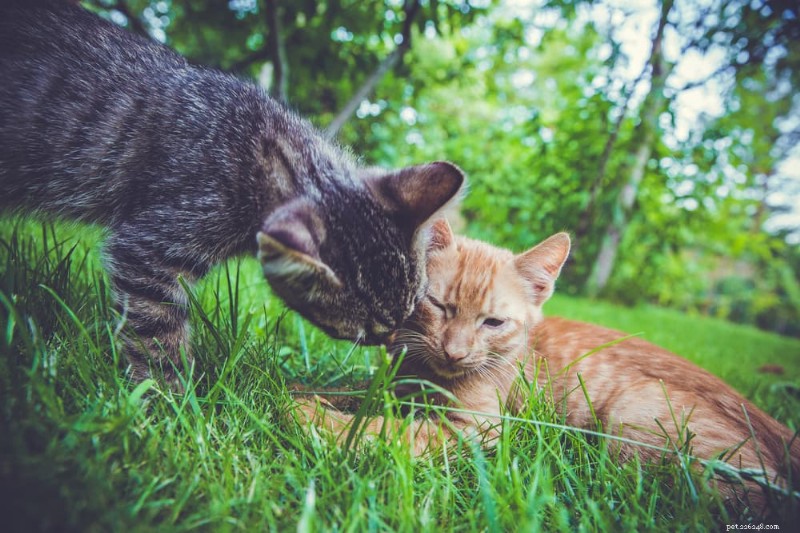
When a cat seems to fight after a grooming session, it’s typically not a display of dominance or territoriality. According to Watson, the "fight" may simply be a playful wrestle or a signal that one cat wants to end the affectionate interaction. This cycle—grooming, wrestling, and then relaxing—is normal and usually harmless.
There’s no need to intervene unless a cat has a medical issue—such as a skin wound, stitches, or a recent surgery—where mutual grooming could cause irritation or further injury. In those cases, it’s wise to allow only self‑grooming or to keep the cats separated temporarily.
In short, unless a medical concern exists, allogrooming and the occasional post‑grooming play are natural parts of feline behavior.
- Pet Behavior
- Pet Breeds
- Pet Names
- Pet Adoption
- Pet Training
- Cat Stories
- Pet Health
- Adorable Pets
- Cats
- Why Dogs Chew Clothes: Causes, Signs, and Proven Prevention
- Dog Accidents: Are Dogs Truly Friendly or a Hazard?
- Top 5 Essential Puppy Products Every New Owner Needs
- Expert-Approved N-Word Dog Names: Perfect Picks for Your New Pup
- Stop Your Rabbit from Urinating on You: Causes & Prevention
- How to Spot When Your German Shepherd‑Husky Mix Feels Lonely
- Puppy Development Milestones: A Guide to Growing Healthy Dogs