

Managing Cat Fights, Aggression, and Stress: A Practical Guide to Harmonious Multi‑Cat Households
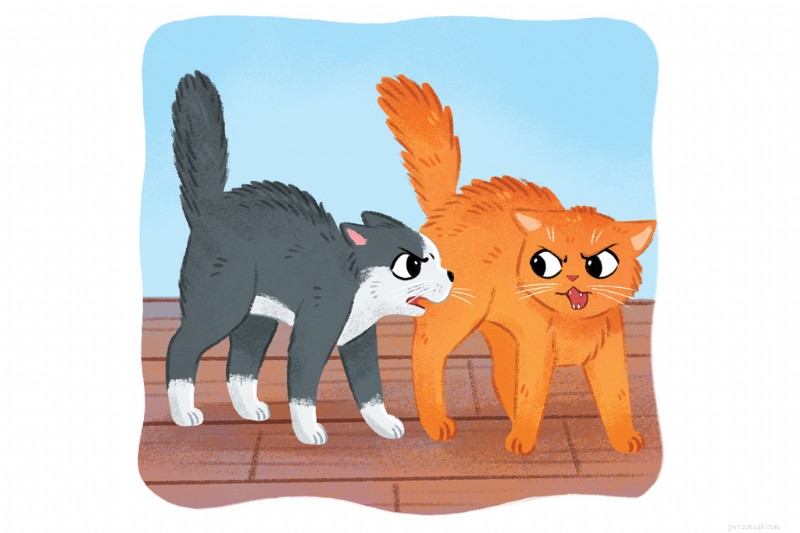
One of the most common concerns in multi‑cat homes is conflict between cats. While many cats adapt after a slow, careful introduction, some never become friends. Conflict can be obvious—fighting, hissing, growling—or subtle, such as hiding, resource guarding, changes in eating habits, or urinating outside the litter box.
Whether your cats are overtly fighting or showing quieter signs of stress, the strategies below can help restore harmony.
How to Help Cats Get Along When They Dislike Each Other
Step 1. Adjust Your Expectations

Many owners expect new cats to behave like previous ones—cuddling, playing, and sharing space. In reality, not every cat will be a best friend. The realistic goal is safe coexistence, which may simply mean allowing cats to avoid each other while staying calm and content.
Step 2. Collect Data and Map Your Home
Start by observing when and where conflicts occur. Keep a log of each incident; behavior is rarely random and often follows clear patterns. Then draw a floor plan marking all essential resources—litter boxes, food and water stations, beds, scratching posts, and favorite perches.
Identify each cat’s preferred zones, shared areas, and exclusive territories. Add conflict hotspots to the map to see whether specific resources trigger tension.
Step 3. Ensure Sufficient Resources for Every Cat
More is better. Provide at least one of each essential resource per cat (e.g., three cats = three litter boxes). Distribute these items throughout the home so each cat can access them without competition.

Feed cats several feet apart or in separate rooms. Cats are solitary hunters and prefer to eat alone; forcing them to share a bowl often creates stress.
Step 4. Train Your Cats
Yes—cats can be trained. Use positive reinforcement to reward calm behavior around each other. Teaching a "sit" or "stay" cue lets you ask cats to remain in place while you hand out treats for good manners.
You can also train a recall or target cue (e.g., touching a finger with their nose). These tools help interrupt chasing or unwanted proximity and let you reward cooperative choices.
Step 5. Provide Structured Play
Interactive play with wand toys burns excess energy and reduces stress. In multi‑cat homes, separate play sessions when needed to prevent one cat from monopolizing the toy and to avoid accidental rough play.
Step 6. Intervene Early in Fights
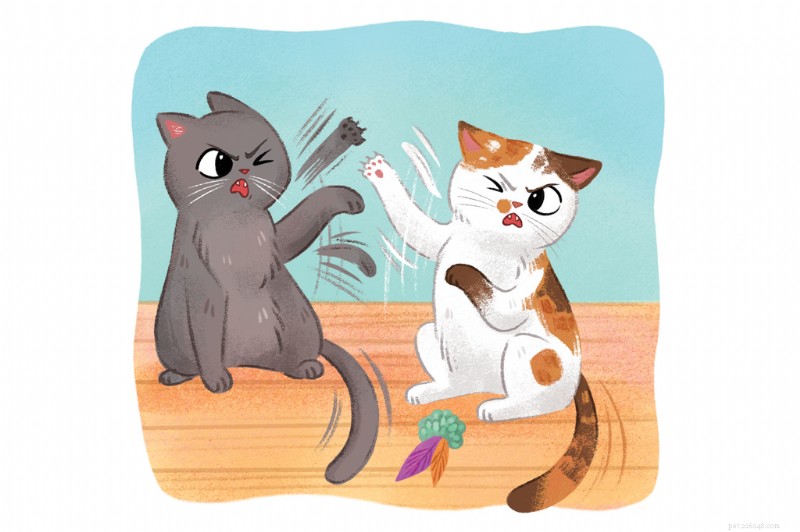
If a fight erupts, intervene immediately. Ongoing fights can cause injuries and secondary problems such as litter‑box avoidance. Consult your veterinarian for a health check and ask for a referral to a certified behavior specialist.
Often a temporary separation followed by a gradual re‑introduction is necessary. Management tools like baby gates or screen doors can keep cats apart when you cannot supervise them. In some cases, a veterinary behaviorist may recommend medication to reduce anxiety.
Bottom Line
Some cats simply cannot coexist, and re‑homing may be the kindest option. By following these steps—adjusting expectations, mapping resources, providing enough supplies, training, playing, and intervening early—you give your cats the best chance to live together peacefully, even if they never become best friends.
- Pet Behavior
- Pet Breeds
- Pet Names
- Pet Adoption
- Pet Training
- Cat Stories
- Pet Health
- Adorable Pets
- Cats
- German Shepherd: Traits, Care, and Popularity
- Preventing Your Dog From Running Away: Proven Strategies for Pet Owners
- Cushing’s Disease in Dogs: Symptoms, Diagnosis, and Effective Treatments
- What a Slow Blink Means: The Secret Language of Cats
- Chow Chow Health Guide: Common Conditions & Prevention Tips
- Exotic Shorthair Cat: Comprehensive Breed Profile & Care Guide
- Are Lawn Herbicides Safe for Your Pets? What You Need to Know