

Why Cats Scratch Furniture and Simple Ways to Stop It
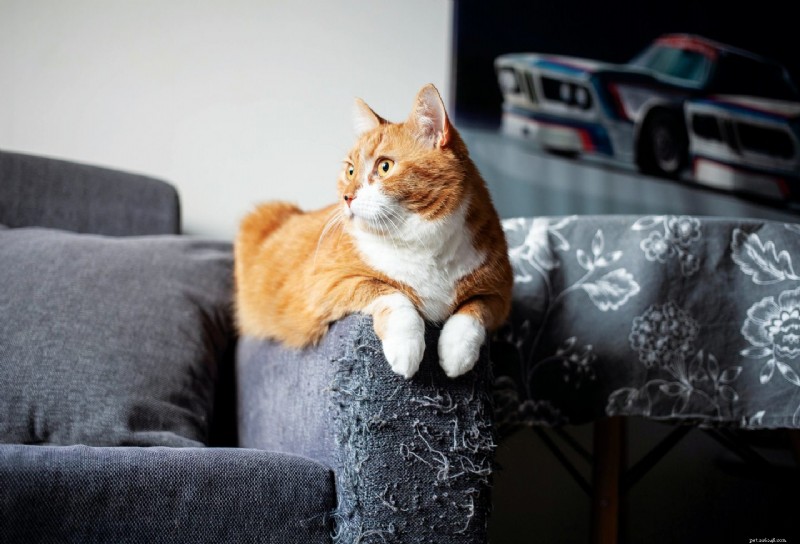
New study reveals why cats scratch furniture
Last Updated: April 23, 2025
Anyone who has found shredded couch cushions knows that cat‑induced scratching is a common, frustrating problem. Yet scratching is an innate feline behaviour that satisfies a physical and emotional need. A recent study published in *Frontiers in Veterinary Science* uncovers the hidden motivations behind this habit and offers cat‑friendly solutions.
Key findings from the Frontiers in Veterinary Science study
“Our findings can help caregivers manage and redirect scratching to appropriate materials, which could help foster a more harmonious living environment for both cats and their caregivers,” says Dr. Yasemin Salgirli Demirbas, a veterinary researcher at Ankara University and lead author of the study.
The researchers surveyed more than 1,200 cat owners in France about daily routines, personality traits, and scratching habits. They identified clear links between scratching intensity and several environmental and behavioural factors.
Environmental and behavioural triggers
According to Dr. Salgirli Demirbas, the most significant predictors of excessive furniture scratching are:
- Presence of young children in the home, which can create stress for the cat.
- High levels of play and nocturnal activity, indicating that the cat needs more outlets for energy.
- Aggressive or disruptive temperament, which often correlates with more frequent scratching.
Stress—particularly the kind caused by constant attention from children—emerged as a leading cause of unwanted scratching.
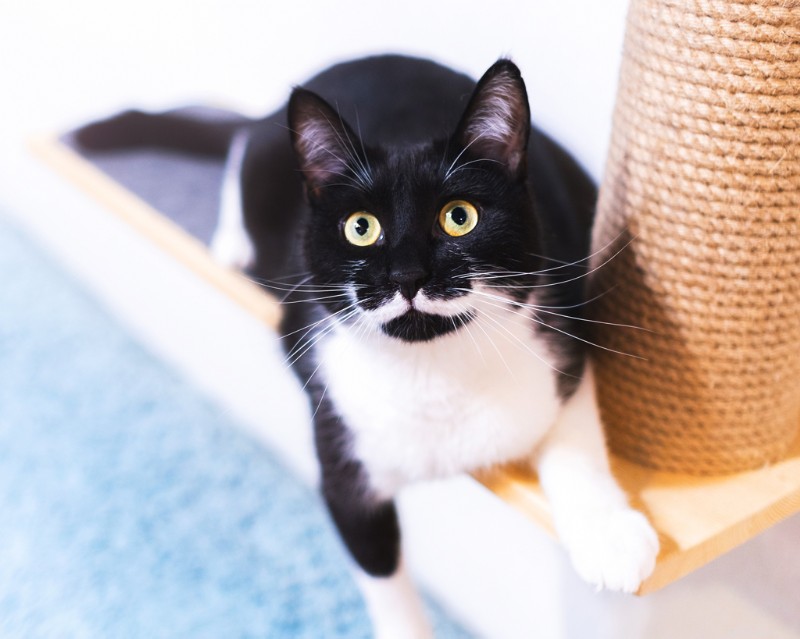
Photo: Natalia Duryagina/Bigstock
Practical steps to reduce unwanted scratching
Fortunately, simple adjustments can make a big difference:
- Provide multiple scratching posts in the areas where your cat already scratches. Choose a variety of textures (sisal, carpet, cardboard) to find the cat’s preference.
- Offer vertical space and hideaways such as cat trees, shelves, or covered beds, giving your feline a safe retreat from household stress.
- Use pheromone products (sprays or diffusers) to promote calmness in high‑traffic rooms.
- Schedule short, frequent play sessions that mimic hunting. Let your cat “catch” the toy to avoid frustration and to burn off excess energy.
- Minimize stressors by providing a quiet zone away from children’s activity, especially if the cat shows signs of anxiety.
By addressing the underlying stressors and giving cats appropriate outlets, you can protect your furniture without compromising your pet’s wellbeing.
This article originally appeared in the award‑winning Modern Cat magazine. Subscribe today!
- Pet Behavior
- Pet Breeds
- Pet Names
- Pet Adoption
- Pet Training
- Cat Stories
- Pet Health
- Adorable Pets
- Cats
- Wet vs. Dry Cat Food: Which Is Best? Pros, Cons & Expert Guidance
- Are Green Beans Safe for Your Rabbit? A Feeding Guide
- Beagle FAQ Guide: Expert Answers to All Your Questions
- What Strong Dog Urine Smell Means for Your Pet's Health
- Top Cat Litter Picks of 2021: Clean, Odor‑Control & Cat‑Friendly Solutions
- Parakeets vs Parrots: What You Need to Know
- Understanding Dog Coughing: Causes, Symptoms, and When to Seek Veterinary Care