

Norwegian Forest Cat: A Comprehensive Breed Guide
 In This Article
- Characteristics
- Breed History
- Care
- Health Problems
- Diet and Nutrition
- Where to Adopt or Buy
- Further Research
The Norwegian forest cat is an ancient breed that developed naturally without human assistance for hundreds of years in the forests of Norway. Called the skogkatt (Norwegian for “forest cat”) in its native country, the Norwegian forest cat is sometimes given the nickname “Wegie” in the United States.
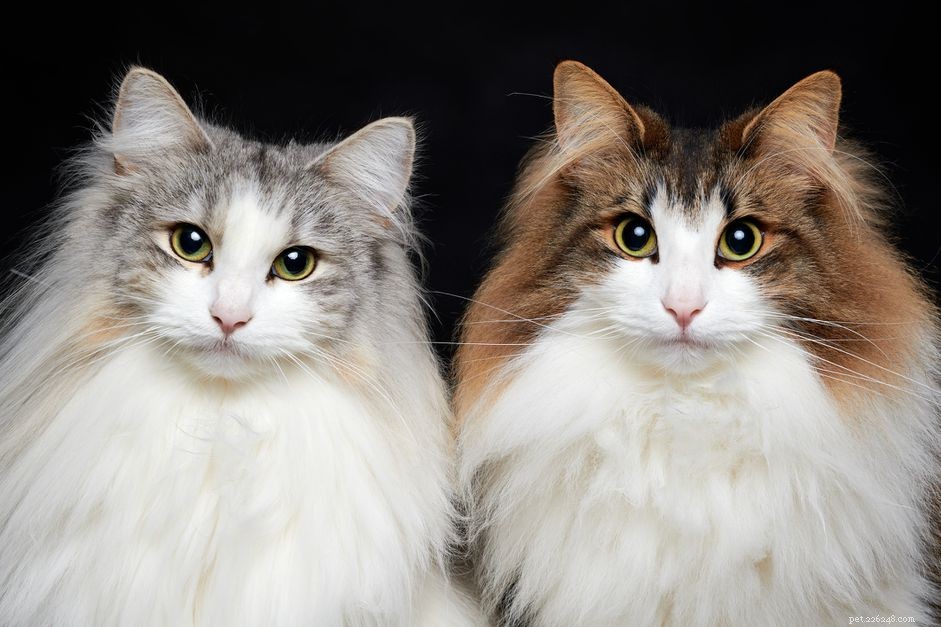
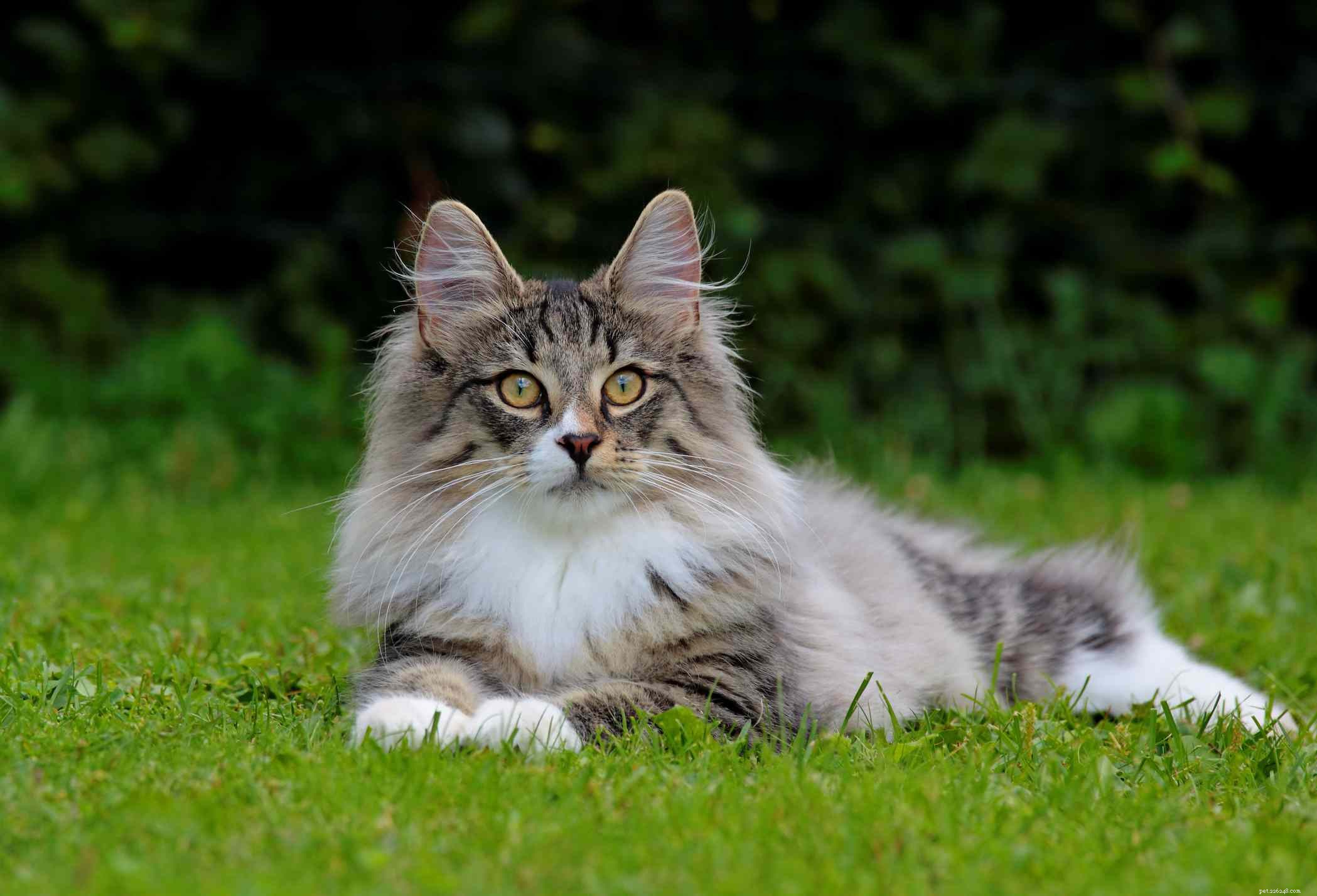
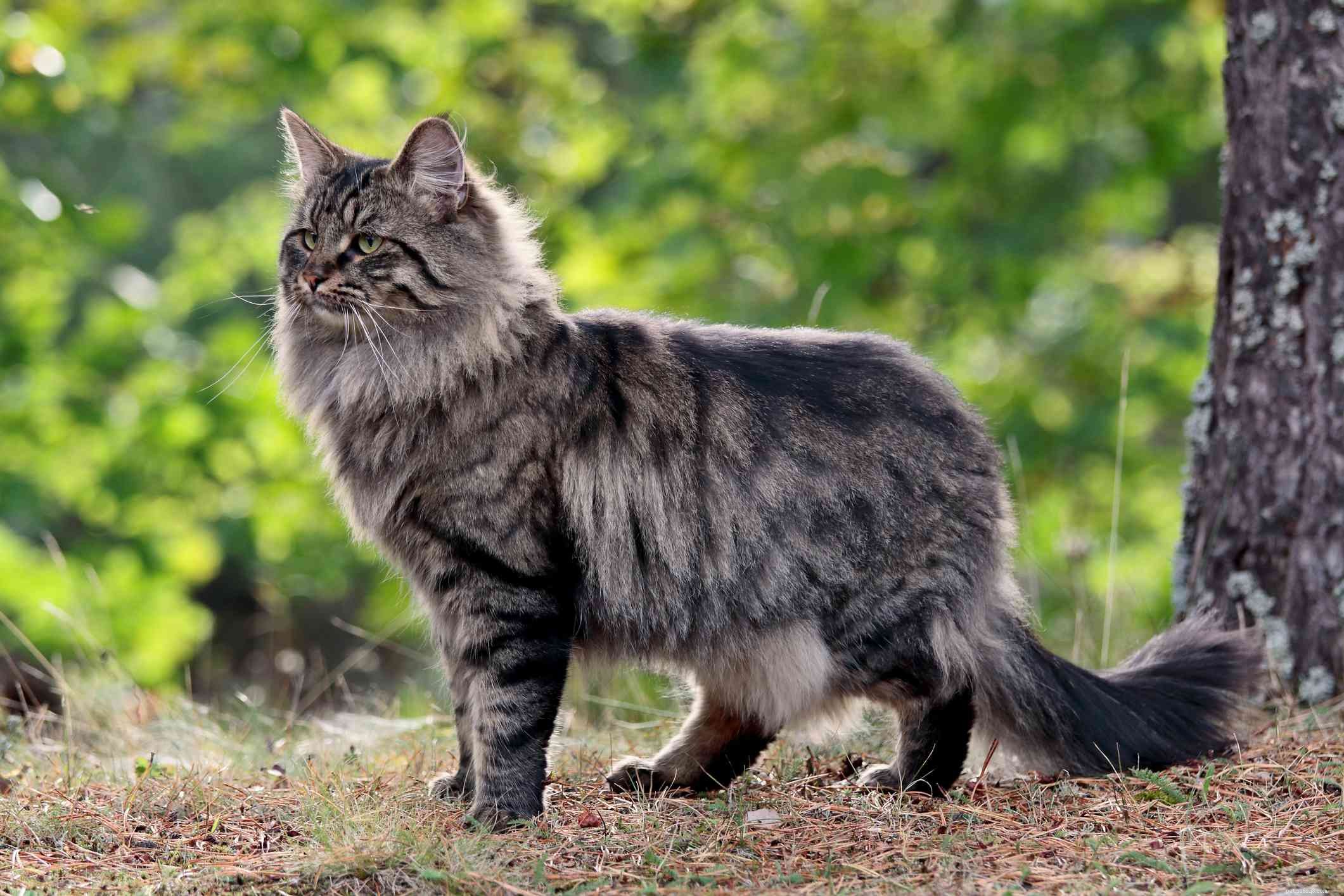
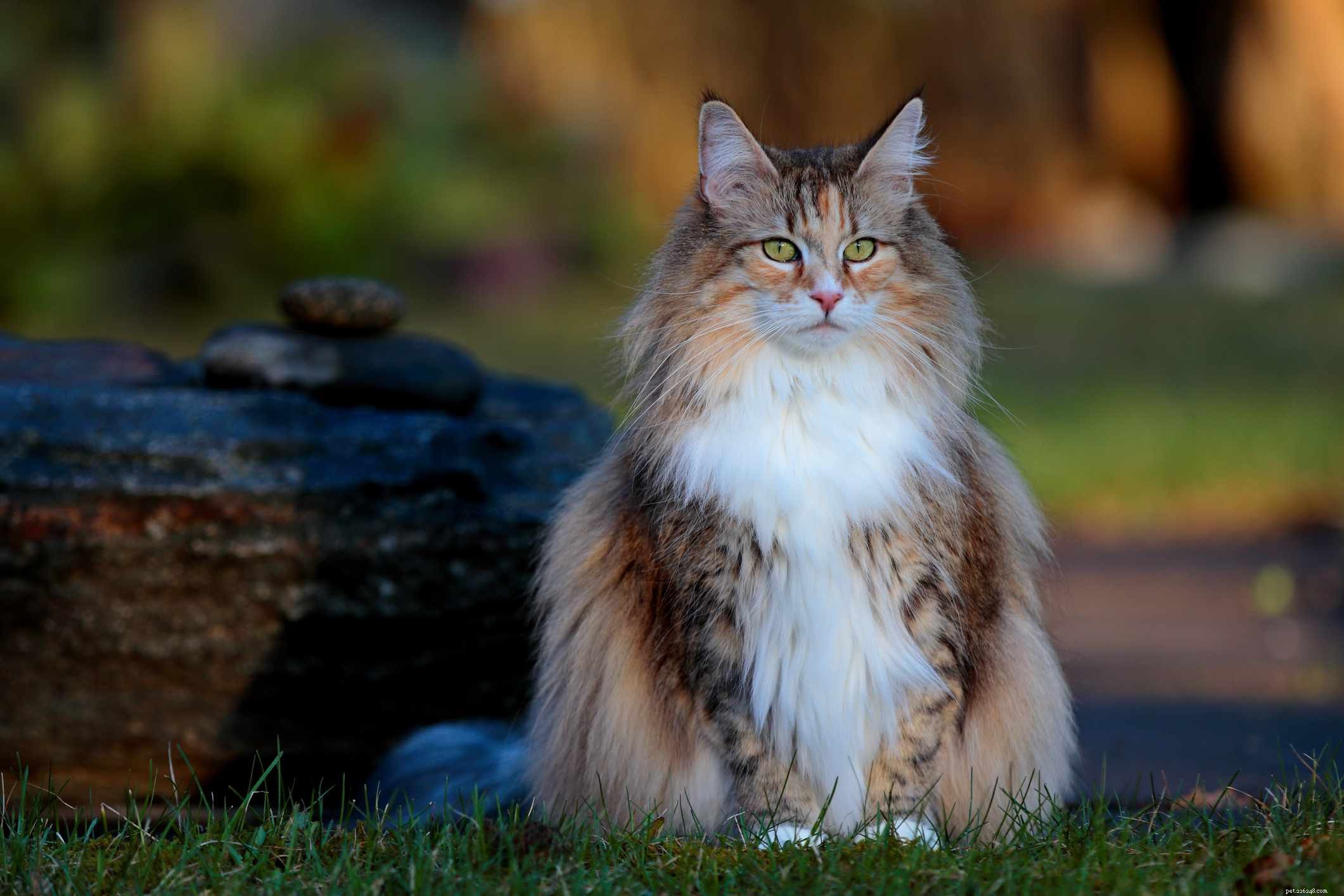
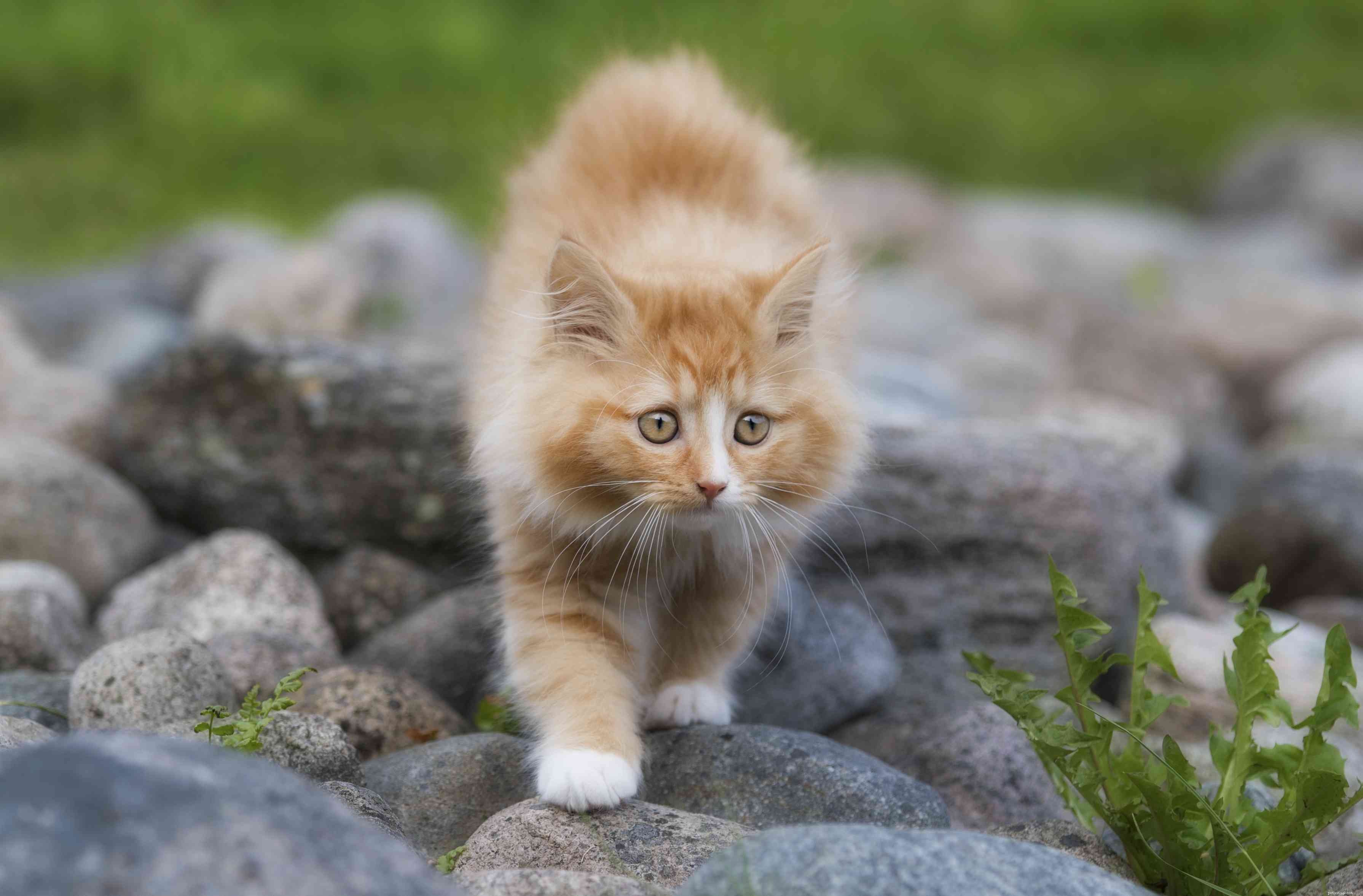
The Norwegian forest cat certainly looks at home in the wilds of the forest. It is large yet well balanced, and solidly muscled with substantial bone structure. It has a broad chest and considerable girth, but the cat should never appear fat. The back legs are somewhat longer than the front legs, so the Norwegian forest cat’s rump is slightly higher than its shoulders. The breed’s medium to large ears are wide at the base and rounded at the tips and heavily furred. Lynx tips (tufts of hair growing on the tips of the ears) are a highly desirable characteristic of the breed.
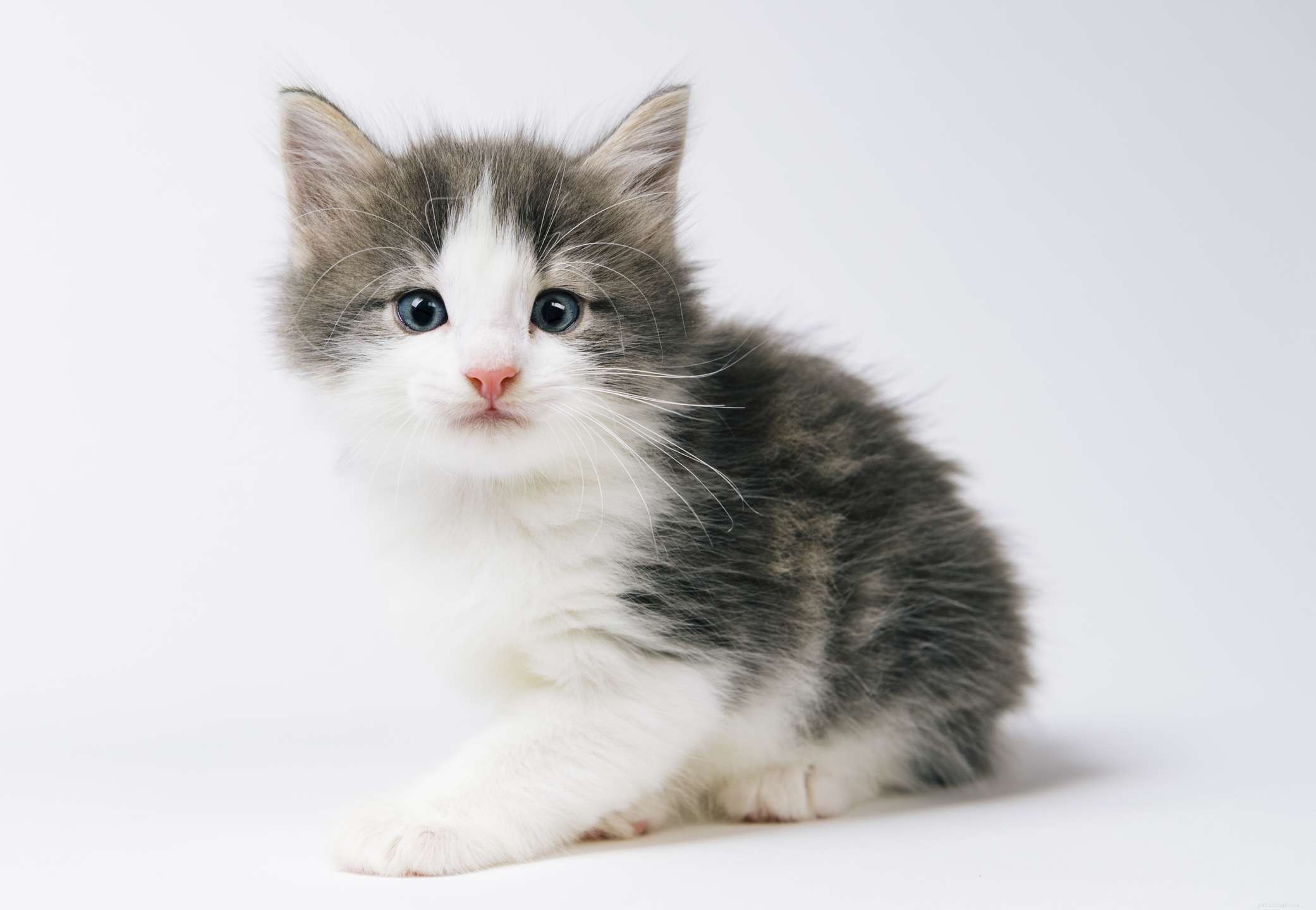
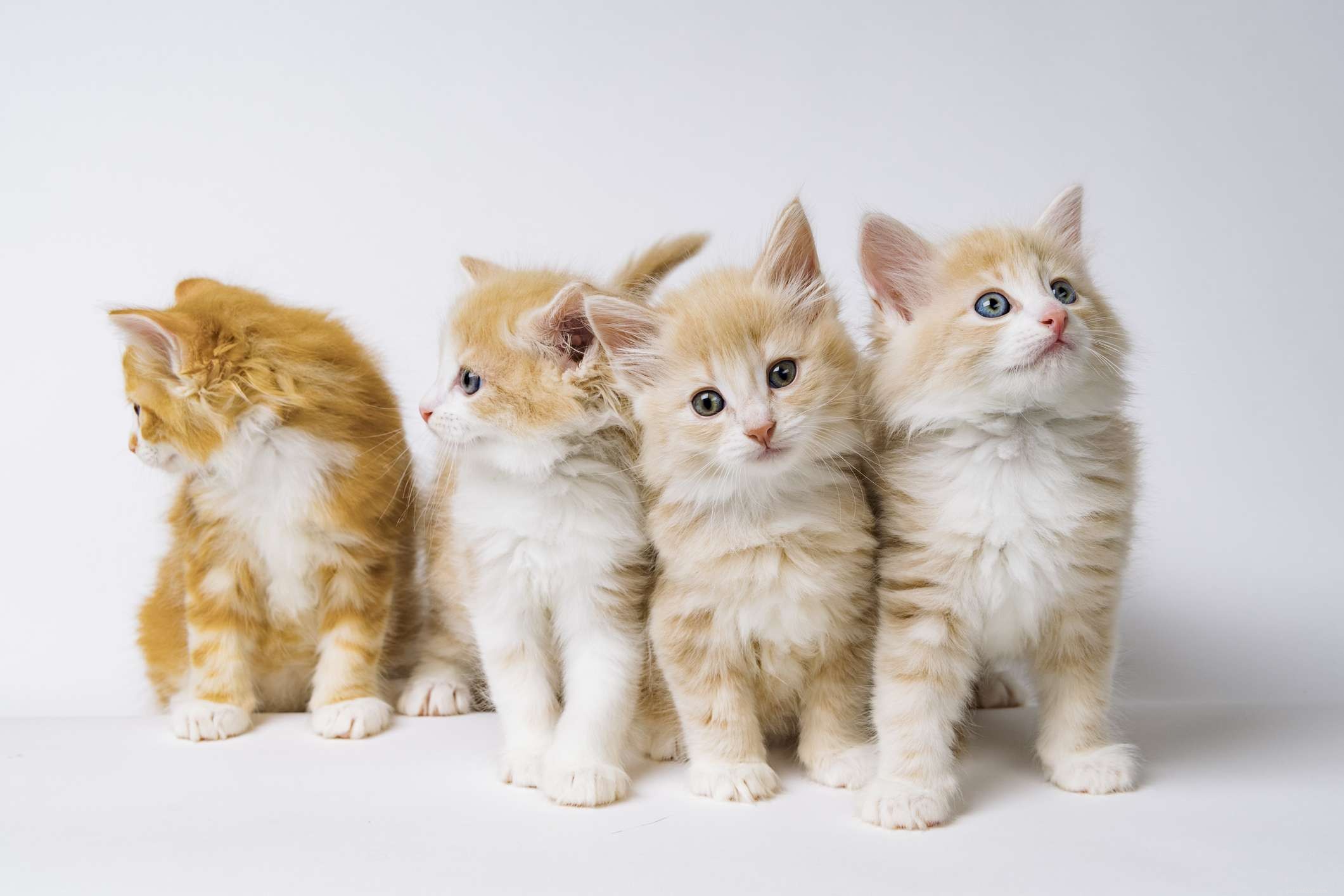
The semi-long, dense coat, comes in a rainbow of colors, shades and patterns, including solid, bi-color, tabby, tortoiseshell, calico, cameo, and smoke. The only colors that are disallowed by the breed standard are those that indicate hybridization—chocolate, sable, lavender, lilac, cinnamon, fawn or Himalayan-type markings, or any of these colors with white.
Independent but affectionate, the Norwegian forest cat is not going to sleep on your lap all night, but it may hop up for a brief cuddle now and then. That isn’t to say the Norwegian forest cat is standoffish—far from it. Norwegian forest cats are very attached to their humans, and want to be involved in all aspects of family life. They just would rather be nearby rather than right on you. Norwegian forest cats are curious, playful and even-tempered, making them great companions for families with children. They are mellow enough to get along with respectful dogs and generally live happily with other cats, too.
Breed Overview
Weight: 8 to 18 pounds
Length: 12 to 18 inches
Coat: Long, glossy, smooth and water-resistant, with a dense undercoat.
Coat Color: Almost any color or pattern with or without white markings; disqualifying colors are chocolate, lavender/lilac or the Himalayan pattern.
Eye Color: Shades of green, gold, green-gold, copper or blue (in white cats or those with white).
Life Expectancy: 12 to 16 years
Characteristics of the Norwegian Forest Cat
History of the Norwegian Forest Cat
The Norwegian forest cat has possibly been around since the time of the Vikings. Images and written descriptions of cats resembling the Norwegian forest cat exist from early as the 16th century, and the breed even plays a major role in a Norwegian fairy tale about the Norse goddess Freya, with two huge Norwegian forest cats pulling her chariot. By the turn of the 20th century however, the breed was nearly lost due to indiscriminate cross-breeding with other types of cats. People took notice, recognizing that the breed was a national treasure. In 1938, Norway’s King Olav V deemed the Norwegian forest cat the national cat breed of Norway. It took many decades, but breed fanciers in Norway eventually managed to save the breed and bolster its numbers through careful breeding programs.
The first Norwegian forest cats were imported into the United States in 1979. The Norwegian forest cat was accepted for championship status with The International Cat Association in 1984. The Cat Fanciers Association accepted the Norwegian forest cat for full championship status in 1993.
Norwegian Forest Cat Care
The Norwegian forest cat has a specialized double coat to keep the cat warm during the harsh winters in Scandinavia. The longer, coarse, water-resistant outer coat forms a ruff at the chest, a collar at the neck, britches on the rear legs, a bushy tail, and heavy tufting between the toes. A short, dense undercoat provides warm insulation from the cold.
The coat requires a thorough weekly brushing to keep tangles and mats at bay. Once a year in the spring, the Norwegian forest cat sheds most of its undercoat in preparation for the warmer months of summer, when all that insulation is not needed. Shedding can be heavy during this seasonal dropping coat, so brush more frequently. Outside of this time, the Norwegian forest cat sheds moderately. In addition to brushing, bathe your Norwegian Forest Cat every few months, keep the nails trimmed short and check the ears weekly, cleaning if necessary.
Norwegian forest cats are slow to mature, and they achieve full growth around 5 years of age. They are lively and playful well into adulthood, though not obsessively active. Norwegian forest cats appreciate fun toys and are usually up for a play session—on their own terms. Consider providing a cat tree or tower for climbing, perching, and scratching. Bonus points if these are situated near a window so your Norwegian forest cat can contentedly watch squirrels and birds outside.
Common Health Problems
Any cat can develop a health issues during its lifetime, but some pedigreed cats have known congenital issues that can be passed on to kittens. The Norwegian forest cat is prone to hypertrophic cardiomyopathy, hip dysplasia and glycogen storage disease type IV. Hypertrophic cardiomyopathy (HCM) is a disease that causes thickening of the heart walls. HCM is the most common form of heart disease in cats. Hip dysplasia (looseness of the hip joint) is less common in cats than in dogs, but it can affect some larger, heavier breeds like the Norwegian forest cat. Glycogen storage disease type IV (GSD IV) is caused by a defective enzyme and leads to organ dysfunction, muscle atrophy and death. Reputable breeders monitor their adult cats’ health and avoid breeding cats with potential health concerns. A genetic test is available for GSD IV to screen for cats that are carriers. Most good breeders also usually offer a health guarantee of some kind.
Diet and Nutrition
Norwegian forest cats are sturdily built but should never become fat. Keeping your Norwegian forest cat lean is the best way to prevent weight-related health issues, including diabetes, heart disease, and hip dysplasia, which can be compounded by excess weight. Feed your Norwegian forest cat measured amounts of food at twice a day (for adult cats). Don’t leave food out all day; cats that are free fed tend to snack more than necessary, which can lead to an overweight cat. Ask your veterinarian or breeder for advice about a healthy food for your Norwegian forest cat.
13 Cat Breeds With Long Hair Pros
Pros
Friendly with people and pets
Can tolerate cooler temperatures
Laid-back and adaptable personality
Not a lap cat
Coat needs brushing at least weekly
Doesn’t do well when left alone a lot
Where to Adopt or Buy a Norwegian Forest Cat
The Norwegian forest cat is not the rarest of all cat breeds, but it’s also not a common one. Both the Cat Fanciers Association and The International Cat Association publish lists of active Norwegian Forest Cat breeders on their respective websites. A great way to meet breeders and view cats of many different breeds is checking out a local cat show. Cat shows are fun with a laidback vibe, and newcomers are very welcome. To locate a cat show in your area, do an internet search for “cat show near me.” It’s possible that a Norwegian Forest Cat might end up in an animal shelter or with a cat private rescue group. Pedigreed cats in need of rehoming are often placed into new adoptive homes by caring breeders.
More Cat Breeds and Further Research
If you like the Norwegian Forest Cat, you might also like these cat breeds:
- Maine Coon
- Siberian Cat
- Turkish Van
Otherwise, check out all of our other cat breed articles to help you find the perfect cat for you and your family.
- Pet Behavior
- Pet Breeds
- Pet Names
- Pet Adoption
- Pet Training
- Cat Stories
- Pet Health
- Adorable Pets
- Cats
- Norwegian Forest Cat: A Majestic, Loyal Companion for Families
- Serval Cat Profile: Breed, Care, and Adoption Guide
- Siberian Cat: Breed Profile & Care Guide
- Sphynx Cat Breed Profile: Characteristics, Care, and Adoption Guide
- Toyger Cat Breed: Traits, Care, and Adoption Guide
- Somali Cat: Playful, Athletic Breed with Elegant Long Coat
- Norwegian Forest Cat Breed Profile – History, Traits & Care