

10 Signs Your Cat Is Quietly Evaluating Your Every Decision
Cats may not speak our language, but their perceptions are unmistakable. Experts agree that felines possess acute sensory acuity and strong attachment styles, allowing them to assess and react to their owners’ actions with subtlety and consistency.
1. Arriving Home Late, Smelling of Other Animals
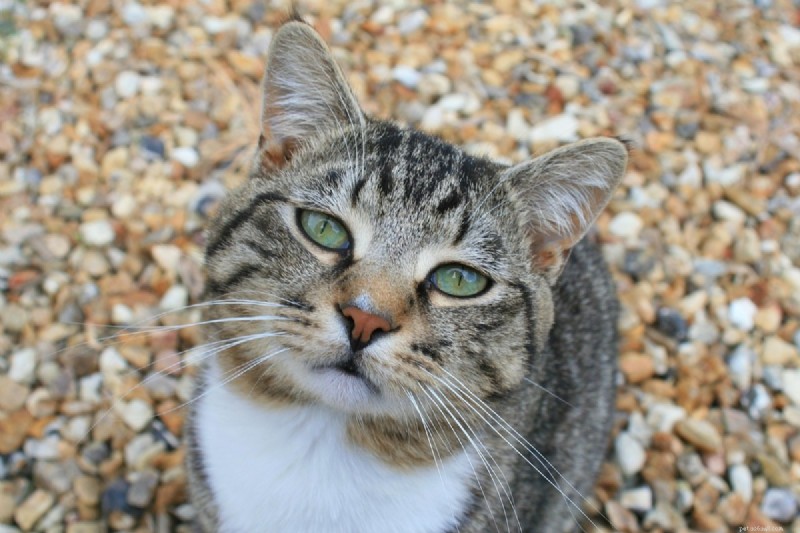
When you return after dinner and carry the scent of another animal, your cat’s reaction is usually a calm, unblinking stare. This non‑verbal cue signals recognition of a perceived breach in trust. The ASPCA notes that cats are highly territorial and respond strongly to scent changes.
Implication: Subtle, emotional influence.
2. Repeatedly Mourning an Ex‑Partner
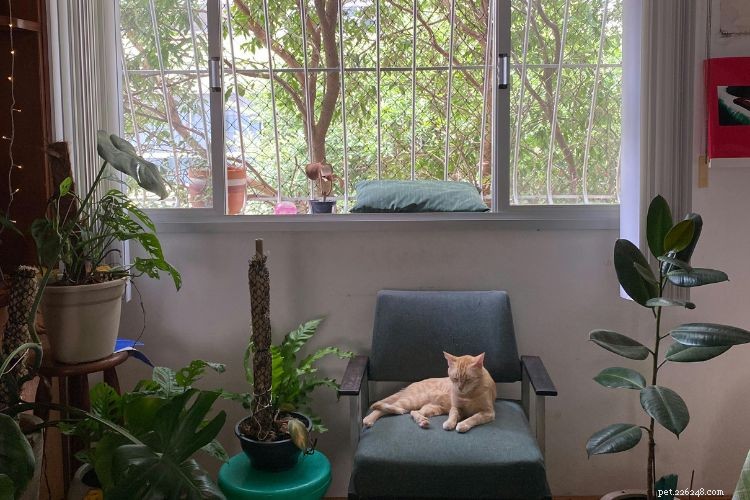
While you’re replaying heartbreak on the sofa, your cat may observe you with slow blinking—an expression that signals disapproval of repeated self‑harm. Behavioral research indicates cats value consistency and may respond to perceived emotional instability.
Implication: Implicit therapeutic feedback.
3. Eating Questionable Food

If you consume a cold, unappetizing meal while your cat watches, it may interpret this as a breach of household etiquette. Feline studies show that cats often display disdain for food that does not meet their sensory expectations.
Implication: Gourmet standards met.
4. Changing Your Routine While Ignoring Yours

Delaying breakfast or altering bedding can disrupt a cat’s predictable environment, whereas a human’s erratic schedule may be less consequential. Your cat will notice both inconsistencies, highlighting a mismatch in priorities.
Implication: Calendar compliance.
5. Choosing an Unapproved Partner

Many cat owners report that their pets display clear preferences for certain visitors. If a potential partner triggers a retreat or defensive gesture, the cat may be indicating incompatibility.
Implication: Compatibility filter.
6. Dance in the Kitchen After a Night Out

Excessive movement after alcohol consumption can be unsettling for a cat’s sensitive hearing and vision. The feline’s cautious stare may reflect concern for your safety.
Implication: Safety oversight.
7. DIY Projects in the Home
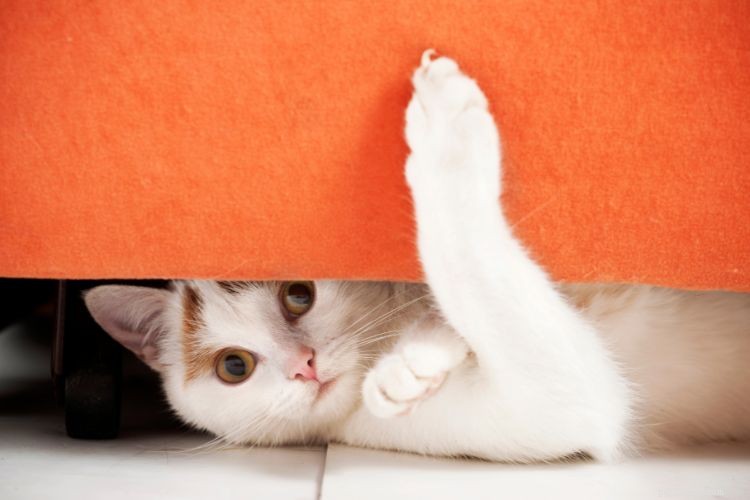
When you tackle home improvement, your cat may position itself centrally to observe. This behavior can be interpreted as a critique of your manual skills, given the cat’s preference for order and predictability.
Implication: Skill assessment.
8. Speaking to Your Cat in a Baby Voice Publicly

Publicly addressing your pet in a high‑pitched tone may be perceived as anthropomorphic over‑exposure. Cats are trained to respond to direct, calm communication; excess novelty can be unsettling.
Implication: Social appropriateness.
9. Spending Excessive Time on Your Phone

Neglecting pet interaction in favor of digital media can be interpreted as neglect. Research from the University of Vermont indicates that cats value shared attention; prolonged absence may trigger a subtle reproach.
Implication: Attention deficit.
10. Setting Personal Boundaries

When you enforce rules—such as restricting access to laundry or plants—your cat may comply yet simultaneously demonstrate its own autonomy by choosing to violate the same rule, underscoring a natural hierarchy.
Implication: Hierarchical dynamics.
10 Things Your Cat Will Never Forgive
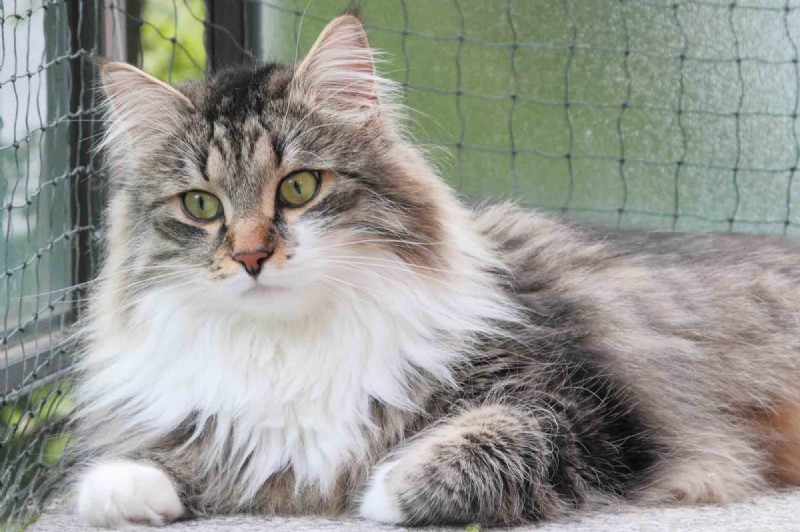
Feline memory studies reveal a retention span of 15–20 years, enabling long‑term learning and grudging behavior. Actions that breach trust, such as sudden physical punishment or neglect, can result in lasting resentment.
Understanding these triggers can help maintain harmony and prevent lasting harm.
10 Myths About Cats You Should Stop Believing

Common misconceptions—such as cats being inherently aloof or indifferent—often lead to mismanagement. Evidence from feline behaviorists suggests that cats thrive on predictable routines and respectful communication.
10 Everyday Things That Hurt Your Cat’s Feelings

Subtle cues, like harsh tones or abrupt movements, can upset a cat’s mood. Being aware of these triggers allows owners to foster a calm environment conducive to mutual wellbeing.
Like this article from The Discerning Cat? Be sure to follow us.

Amanda, creator and owner of The Discerning Cat, has devoted her life to studying feline behavior. She raises two Siberian cats, Alexei and Vladimir, and shares insights on responsible cat ownership.
- Pet Behavior
- Pet Breeds
- Pet Names
- Pet Adoption
- Pet Training
- Cat Stories
- Pet Health
- Adorable Pets
- Cats
- What Drives Dogs to Relocate Their Food Bowls? Instincts, Communication, and Practical Tips
- Hotel for Dogs – A Heartwarming Family Adventure with Furry Friends
- Day Geckos: Expert Care & Feeding Guide for Enthusiasts
- Shiba Inu vs. Corgi – Which Breed Fits Your Lifestyle?
- Birthday Cat GIFs: The Most Popular Picks to Share
- What Painted Turtles Eat: Natural Diets for Wild and Captive Care
- Finding Reliable Canine Health Resources Online