

Adult Ragdoll Cats: Essential Insights for New Owners

The adult ragdoll cat is a magnificent animal in strength, beauty and personality – or should we say, “purrrsonality”? Because of their sweet, laid-back dispositions, these cats make excellent family pets – but before you adopt, how much do you know about Ragdoll cats? Check your knowledge here with some basic Ragdoll cat facts about the breed:
#1 They grow and grow.
Large-sized cats need more time to reach full maturity, so it takes longer for them to grow. The weight of a Ragdoll cat is on average higher than that of other breeds. Male Ragdolls usually weigh between 12-25 lbs when they are fully grown and female Ragdolls weigh anywhere from 10-25 lbs, depending on their parents’ weights. To give some context, the average weight of an adult cat is between 8 and 10 pounds. As a slow-maturing breed, Ragdolls typically experience growth spurts up until they are four years old, at which point they have usually reached their mature size.
#2 They are known for their long, beautiful coats and bright baby blues.
Ragdoll breeds have semi-long hair and striking blue eyes, distinctive features that make them a particularly beautiful breed. They typically have a pointed coat pattern, meaning that their fur is darker at points (face, paws, tail) than on the rest of the body. According to the American Cat Fanciers Association, Ragdoll cat colors include blue, seal, chocolate, lilac, cream, tortie, mink, and red (or flame). There are also black Ragdoll cats, but that color is not officially recognized as a breed standard. Aside from color, there are also several patterns that Raggies can display, such as bi-color, van, colorpoint, and mitted. Regardless of their color, all Ragdoll kittens are born white. Then, as they grow, their fur begins to develop color. Their color pattern is not fully developed until they get to the age of 2 when they grow into their full coat, and from there on, they continue to grow until the age of 4..
#3 They can live up to their name.
Ragdoll cats have been dubbed “ragdolls” because of their tendency to go limp in the arms of someone who is holding them. They are a sweet, snuggly breed of cats who are affection towards their owners prefer to stay near them, following their humans around the house and greeting them at the door. In general, the amiable Ragdoll personality makes the breed great pets for families with children, and with the right training, they typically get along well with other pets, both cats and dogs alike. If you’re thinking about bringing home a Ragdoll and you have kids, make sure you also teach the kids how to treat a cat with gentleness and respect, and especially how to properly hold a Ragdoll – with one arm beneath the front legs and one beneath the hind legs, never let them hold them just under their front arms with the hind legs hanging. Although Ragdolls are generally calm and quiet, they do love their playtime and enjoy toys, puzzles or being a part of whatever the family is doing. With training, they are quick to pick up good habits, like using a scratching post, or even learning tricks.
#4 The long hair needs some care.
As with most longhaired cats, adult Ragdolls need to be groomed at least twice a week to keep their coat clean and free of mats and tangles. Some Ragdoll’s coats are better than others, and some don’t mat as quickly.
Although Ragdolls shed less than other longhaired felines, they still need to be groomed regularly to keep their coats healthy. The secret to proper grooming for Raggies is having the proper tools. You will need more than just a steel comb or a brush to get through all the fur. You can find plenty of useful tips and tricks in my book, “Grooming the Fluff”.
#5 They need a big litter box.
Since Ragdolls are large cats, you will need a larger sized litter box, so make sure to do your research before buying one because your Raggie might not fit in it. Be sure to clean this regularly, as all cats are very hygienic and a neglected litter box can lead to reluctance to use it.
Depending on their litter box behavior, you may also want to look into special boxes for high-spraying cats. Large cats like Raggies often urinate outside the litter box, but with this type of box, everything can stay inside and off your floors.
#6 Like all cats, they have a few genetic disorders to look out for.
All cat breeds, just like humans, can be predisposed to different cat health issues, regardless of how insistent a breeder is about a lack of defects in their line. While it is important to do a little research on a breeder and ask about the incidence of health problems, it’s also good to be generally aware of some of the health issues Ragdolls can be prone to:
- FIP (feline infectious peritonitis) – All cats can get this horrible disease. Unfortunately, there aren’t really reliable ways to test for or treat FIP, but the risk can be reduced through good nutrition, a clean environment and keeping current on vaccinations – so check out a cattery/breeder for all of these things.
- Hypertrophic cardiomyopathy – This genetic heart disease can be screened for through a DNA-based test.
Ragdolls are generally pretty healthy, but if you are considering adopting one, it’s important to be educated on what health problems they are at risk for.
#7 There are a few different ways to adopt a Ragdoll cat.
Are you looking to adopt a Ragdoll cat? There are several options. If you want to adopt an adult ragdoll cat specifically, the Ragdoll Fancier’s Club International has a page on their site for adult Ragdolls available for adoption, or here on Floppycats.com, we have a page dedicated to helping you find a Ragdoll cat rescue, which will help you locate a Ragdoll in a local shelter, on Craig’s list, etc. Another option is the Ragdoll Fancier’s Worldwide Club, which has a page where breeders can list their retired Ragdoll cats for adoption. Ragdoll cat breeders who belong to Ragdoll Fanciers Worldwide and Ragdoll Fancier’s Club International have the opportunity to list their retired breeding females, their retired show cats and their retired studs (breeding males). Because the breeders are looking for good permanent homes for these kitties, they are usually available for a lower price than a kitten. If you’re interested in any of these, check out the links below:
- Adult Ragdoll Cats Available for Adoption
- Ragdoll Rescue
- Retired Ragdoll Cats Available for Adoption
Another option is to check individual breeders’ websites to see if they have listed any available adults or retired breeders. See our Ragdoll Breeders’ page to look through our list of breeders as well as our breeder directory. Overall, ragdolls are a sweet, beautiful breed and a great addition to a pet-loving home!
Do you have a Ragdoll cat? What stories do you have to share about them?
Pictures of Ragdolls
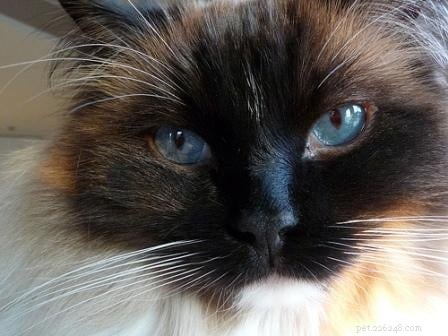
Seal Point Ragdoll See more seal point Ragdoll cat photos.
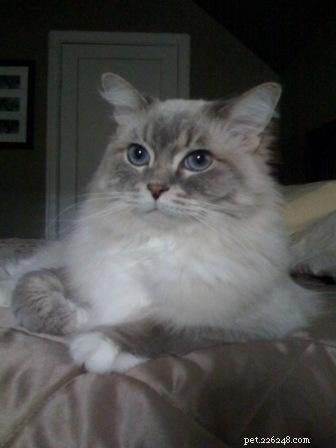
Blue Lynx Mitted Ragdoll See more blue lynx mitted Ragdoll photos.
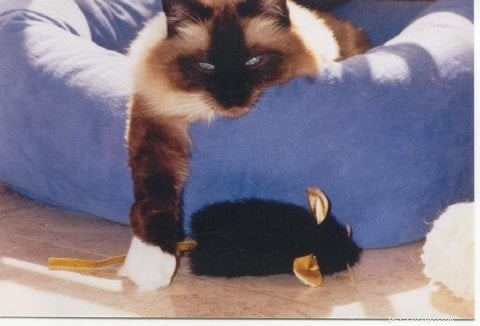
Mitted Ragdoll Cats
- Blue Mitted Ragdoll Photos
- Seal Mitted Ragdoll Photos
- Mink Mitted Ragdoll Photos
- Pet Behavior
- Pet Breeds
- Pet Names
- Pet Adoption
- Pet Training
- Cat Stories
- Pet Health
- Adorable Pets
- Cats
- 6 Intriguing Cat Facts You Didn't Know
- Explore Cat Pop Culture: Take the Ultimate Quiz for National Black Cat Day
- 5 Fascinating Ragdoll Cat Facts You Might Not Know
- 5 Surprising Secrets About Siamese Cats
- Explore Expert Insights: How Much Do You Really Know About Cats?
- Ragdoll Cats 101: Traits, Care, and Choosing the Right Kitten
- Do Ragdoll Cats Shed? What You Need to Know