

How Long Do Ragdoll Cats Live? Typical Lifespan & Tips for Longevity
Originally published Nov 28, 2014
How Long Does a Ragdoll Cat Live?
In short, the average lifespan of a Ragdoll cat is 9-15 years, but averages are just that – averages. They can certainly live longer. My Rags passed 19.5. My parents’ Caymus just passed at 16 years old in December 2020. And some readers have had Ragdolls live as long as 26 years.

When my childhood Ragdoll cat, Rags, was around 14 years old, I remember Googling what the average lifespan of a Ragdoll cat was. I found out that the average lifespan of a Ragdoll is 9-15 years. Of course, with Rags being 14, I wasn’t crazy about reading that! Of course, Rags died at 19.5 years old, so he helped that average grow a little bit. How do they come up with those averages anyway?
Something to remember about averages is that they are taken from a large crop of numbers – in other words, you have cats that die before 9 years of age and you have cats that die when they are older than 15 years old.
Regardless, I would always estimate around 15 years old if you are considering adopting a kitten because that kitty will be with you a long time and if you don’t see stability in your life, then it might not be the right time to adopt a cat. Of course, you can never predict the future, so you might also think your life will be stable and something can happen that alters everything. There’s not an exact to anything in life, but I believe it is important to consider the life expectancy of a kitty when you are adopting one.
No one wants to think about their kitty passing on, but it is a part of life and a sad part every responsible pet owner must face.
As your cat ages, you may be considering what you will do when they pass – how will you handle it? How will you commemorate their life? You might want to check out different pet burial options if you don’t already have something in mind – that way it might be easier to deal with when the time comes. Research now could save you from making a spontaneous decision in a moment of grief later.
Important Numbers about a Cat’s Age
Yes, the average lifespan of a Ragdoll cat is 9-15 years, but this extends far more than that. It’s important to keep in mind that the age of 10 is an important hump in a cat’s life and that most Ragdolls do get past it and live longer than that. Most of them get to the age of 15, but some of them live well past that as well, like my Rags, who made it all the way to 19.5. My parents’ Ragdoll cat Caymus passed at 16.
You’ll be happy to know that there are Ragdoll cats that have even made it to 25. That is nothing short of impressive, but there are a lot of factors that influence the longevity of a cat’s life. Let’s go through the most important ones because this should give you a much better idea of what the lifespan of a Ragdoll cat might be.
Factors that Influence Longevity in Ragdoll Cats
When you hear a lifespan of up to 15 years and even more, this means that this is how long your cat could live if all goes well. There are plenty of things that can leave a great mark on the body of a cat and either expand their life or shorten it. The good news is that you can actually control many of these. As long as you take proper care of your cat, which you surely have every intention to, you can provide it with an excellent chance at a long life. Here are the main factors you should be aware of:
Genetics
As mentioned above, the lifespan average for the Ragdoll breed is 9-15. But you need to narrow that down to the individual, your Ragdoll cat. You might get more accurate information than the breed average can provide by asking how long your cat’s parents have lived. If possible, look into the lifespan of its grandparents as well. This should offer more precise information.
However, don’t forget to ask about the conditions of the parents’ and grandparents’ deaths. It’s important to get a bit of medical history because that could point you to the genetic diseases that they might have passed on to your cat. By being aware of these, you can inform your veterinarian of them and you can work more thoroughly on preventing them.
Gender
It is difficult to pinpoint whether tomcats or female cats (mollies) live longer because each gender is exposed to certain factors that might influence their lifespan. Male cats are territorial and when they are in heat, they often fight other males to get to the females.
This can be a major risk factor if your male cat lives outdoors and actually has the chance to leave home in pursuit of females, and, naturally, if the male cat has not been neutered. However, it should be taken into account that most Ragdoll cats that come from catteries are already neutered when they get to their families, so running off after cats is an out of the ordinary situation.
Female cats, on the other hand, are exposed to some important risk factors. Even if neutered, there is still some risk that they might develop breast cancer. While neutering minimizes the risk, it cannot remove it altogether.
On regular checkups, the veterinarian will always examine the cat’s breasts because prevention is the best policy when dealing with issue. As for female cats that are not neutered, that will produce kittens, they are exposed to the risks brought on by complications when giving birth.
Acute Diseases
Acute diseases have a rapid onset and development. Most of the time, they seem to appear out of nowhere and acting fast is absolutely crucial. To make sure you can do that, you should do some research into emergency veterinary care options. If the time ever comes for you to need urgent care for your cat, it’s best to know where to turn to. Talk to your veterinarian about this next time, just to have it all cleared out.
Aside from that, it is very important that you are able to recognize the symptoms that your cat might be displaying. Some of them are quite subtle, life apathy, loss of appetite, not drinking enough water, not peeing enough, so you always need to pay attention to your cat. As for prevention for acute diseases, it all goes into general preventative measures.
Chronic Diseases
Due to genetic factors, Ragdoll cats are prone to developing hypertrophic cardiomyopathy. But just because they are prone to it as a breed, does not mean that they are sure to get it.
However, you can use this information to work on preventing heart disease in your cat. In fact, when it comes to chronic disease, that is the very best you can do – work on prevention. Take your cat to the vet at least two times a year for checkups.
This ensures that any disease that your cat might be suffering from will be caught in its early stages, rather than when it is already advanced. In some chronic diseases, the symptoms are extremely difficult to notice, if any.
For example, it’s very difficult to spot if a cat has chronic kidney disease, but it is something that would come up in a regular blood work checkup.
Infectious Diseases
Infectious diseases are quite violent and difficult to treat. The good news is that vaccination covers a great deal of the very dangerous ones. This is why you should never overlook yearly vaccination.
This starts when your cat is just a kitten, when it will get the vaccines it needs to build a strong immunity to infectious diseases. But this has to be maintained throughout its life, so make sure you don’t miss vaccination appointments with your vet! It can help your cat live awhile longer. Please note that both outdoor and indoor cats have to be vaccinated.
Trauma
In most cases, you can’t foresee trauma and when it comes, it can have dire consequences. After it happens, all you can do is call that emergency number and take your cat to the hospital. But while you can’t prevent everything, there are some major situations that you can make sure your cat is never in.
For instance, you can install a catio for your balcony and safety for your windows to make sure that your house is catproof. Another thing you can do is supervise your cat when it is outside, if that is the case.
Nutrition
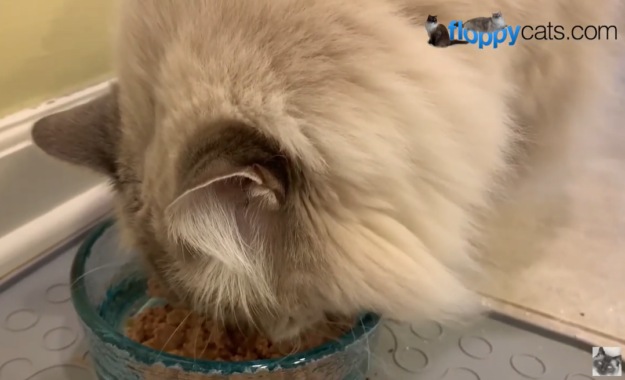
This plays an immensely important role in your cat’s development and quality of life. Providing your cat with a balanced diet and high-quality food will help its body stay healthy. Regardless of your preference in cat food, aim for products that do not use additives, artificial taste enhancers, and other chemicals.
It is also very important that your cat has a diet that is appropriate for its age. Young cats need a very different diet than adult cats, and an entirely different one than senior cats do. Another element to keep in mind is whether your cat is neutered. If you cat has been neutered, then it must receive a diet for neutered cats for the rest of its life to avoid obesity.
Aside from the diet, there are some nutritional supplements that you can give your cat, such as Omega-3 or vitamins. However, it is best to consult your veterinarian before your start giving your cat supplements, especially when it comes to vitamins.
Lifestyle
Where and how the cat lives will greatly influence its lifespan. Here are a few things that might have an important role in the cat’s lifestyle:
Indoor or Outdoor
Whether a cat lives indoors, in an apartment or a house, or if it lives outdoors, will certainly influence how long it will live. Cats that live only outdoor get much more exercise and breathe fresh air all day, which is very healthy, and can make them live longer.
On the other hand, they are also exposed to meteorological factors such as rain, snow, and extreme cold. This can have a negative influence on their health, in the long run. They are also exposed to trauma if they only live outside.
As for indoor cats, they are sheltered from cold and dangers, but they are at risk of living a sedentary life, which is abnormal for cat and can shorten their lifespan.
However, this is something you can easily correct by playing with your cat. Overall, living indoors is better for your cat. What’s even better is living indoors, but being taken outside in the garden, or the park (with the proper protection of course) and being supervised in this time.
Stress
If your cat is stressed in its day-to-day life, this can have a very negative influence on its health and lifespan. Cats can be stressed by other cats, members of the family, noises, not being able to sleep, dogs or other animals that can scare them, and a great many other things. The only thing you can do is observe your cat and make sure that it is calm and relaxed. If not, you should try to identify the stress factors and work on removing them.
Activity
A sedentary lifestyle will actively shorten a cat’s life because it predisposes it to certain chronic diseases and diminishes its ability to fight disease, in general. This is why it is very important to play with your cat every day. Choose cat toys that exercise its body, but its mind as well and your cat will be healthier.
Affection and Involvement
Cats are independent animals, of course, but they still need a great deal of affection. If their owners are affectionate with them, cats are more engaged and happier, which also helps them live longer. A state of happiness means a cascade of “positive” hormones in the body, which definitely provide a longer life to the cat. So, spend time with your cat every day and it will actually live longer!
Do you have a Ragdoll cat that’s alive? What about one that has passed? How old was your Ragdoll kitty when she or he passed?
How old is your cat now? Tell us all about it in the comments section below.
Pin it here!
- Pet Behavior
- Pet Breeds
- Pet Names
- Pet Adoption
- Pet Training
- Cat Stories
- Pet Health
- Adorable Pets
- Cats
- Discover Ragdoll Cat Shows: Meet Breeders, Learn About Their Passion, and See the Latest Trends
- Ragdoll Cats Forum – Connect with Owners, Breeders & Enthusiasts
- Ragdoll Cats: Origins, Traits, and Care Tips
- Ragdoll Cats: Average Lifespan Explained
- Understanding Ragdoll Cat Prices: From Affordable Pets to Show-Quality Breeds
- Ragdoll Cat: The Gentle, Affectionate Companion You’ve Been Searching For
- Discover the Ragdoll Cat: A Gentle, Loving Companion