

Decode Your Cat’s Body Language: A Practical Guide to Understanding Their Behavior
How to Understand Cat Behavior and Body Language? Whether you’re raising a cat for the first time or you’ve been friends with cats for a long time, there will definitely be moments when you want to know what your cat is thinking.
How to Understand a Cat’s Body Language?
Sometimes you may be surprised by a change in your cat’s behavior and wonder what that might mean, or you might want to know how to understand if your cat is happy.
While cats seem hard to understand, there are many traitorous signs that help you understand what your buddy is thinking and what her mood is! You may already be able to recognize the cat’s most obvious mood from her body language, muzzle expressions, tone of voice, and tail movement. But by paying attention to the cat’s tail signals and body position described below, you will be able to understand even more.
Cats can have a wide range of emotions – cats can be happy, sad, scared, can feel relieved, and can even be upset like humans! In order to have a good relationship with your cat, it is important to learn to recognize these emotions and respond accordingly.
Explanation of cat behavior
Once you understand the basics of cat behavior, it should no longer be difficult to understand what your cat is feeling. If you are looking for an explanation of cat behavior, you should find everything you need to talk to your cat in our guide!
Neutral state (relaxed)
This is an essential part of the cat’s language – the cat is relaxed, satisfied and comfortable in a familiar environment. It should seem like she is happy watching the world around her.
- If the cat is lying down, it may be stretched, twisted into a ball, and may also lie neatly with its front paws under it.
- The eyes may blink gently or be semi-soaked.
- The ears are relaxed, semi-erect, or directed forward, but may also rotate in different directions if the cat listens to surrounding sounds.
- The mustache is relaxed, not pressed against the muzzle, it may even turn out that the cat is smiling!
- The body is beautiful and relaxed, no tension indicating that the cat is about to dance to act.

Concentration
She may look cute and fluffy, but by nature your cat is a great hunter – she can chase and easily catch prey, able to focus fully on her target. If a cat focuses on a small moving object or something new nearby, you will notice that her body language changes as she tries to decide how best to proceed.
- Eyes open but pupils narrowed.
- Ears and mustache pointing forward, the cat leaning its whole body towards the object of interest.
- When sneaking, the body can be pressed to the ground, the hind legs bent under the body.
- When the cat is focused, it keeps its tail low down behind itself. The tip and tail of the tail may twitch as the cat prepares to dance. This is one of the most obvious signs of a cat’s tail that should be watched – when you see it you will know that the cat is hunting!
- If her focus is on you, like a cat wants to get food or be stroked, she may rub against her with her tail held high, but don’t be fooled – her focus is on the ultimate goal!
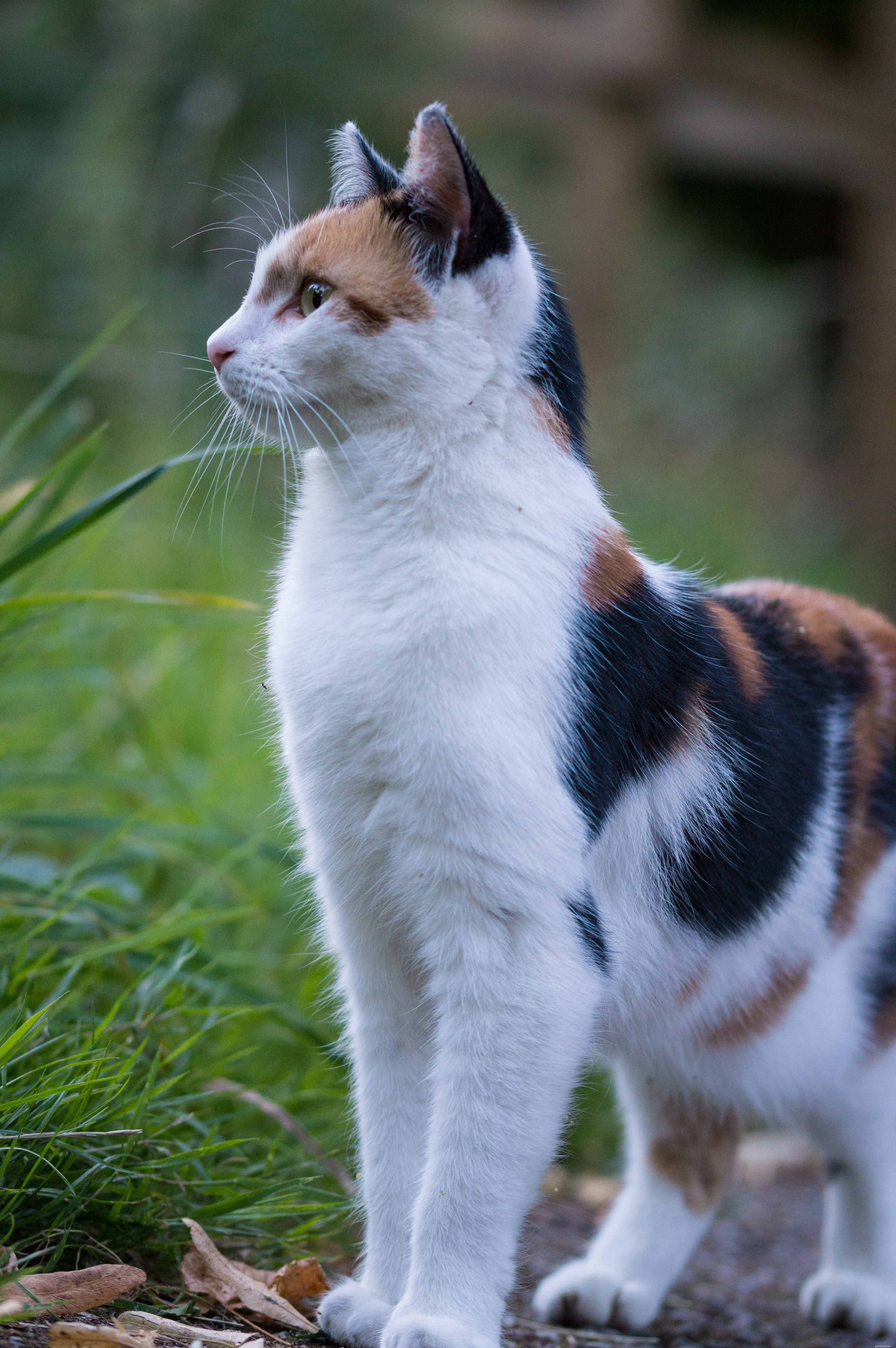
Joy
A happy cat is easy to recognize – it should be easy to understand it from her body language. This is exactly the state your cat should be in as often as possible, as this is the perfect state when you can spend quality time together.
- The squatting cat is relaxed and straight, with its ears facing up and forward, but relaxed, sometimes moving slightly forward toward familiar sounds such as the voices of your family members.
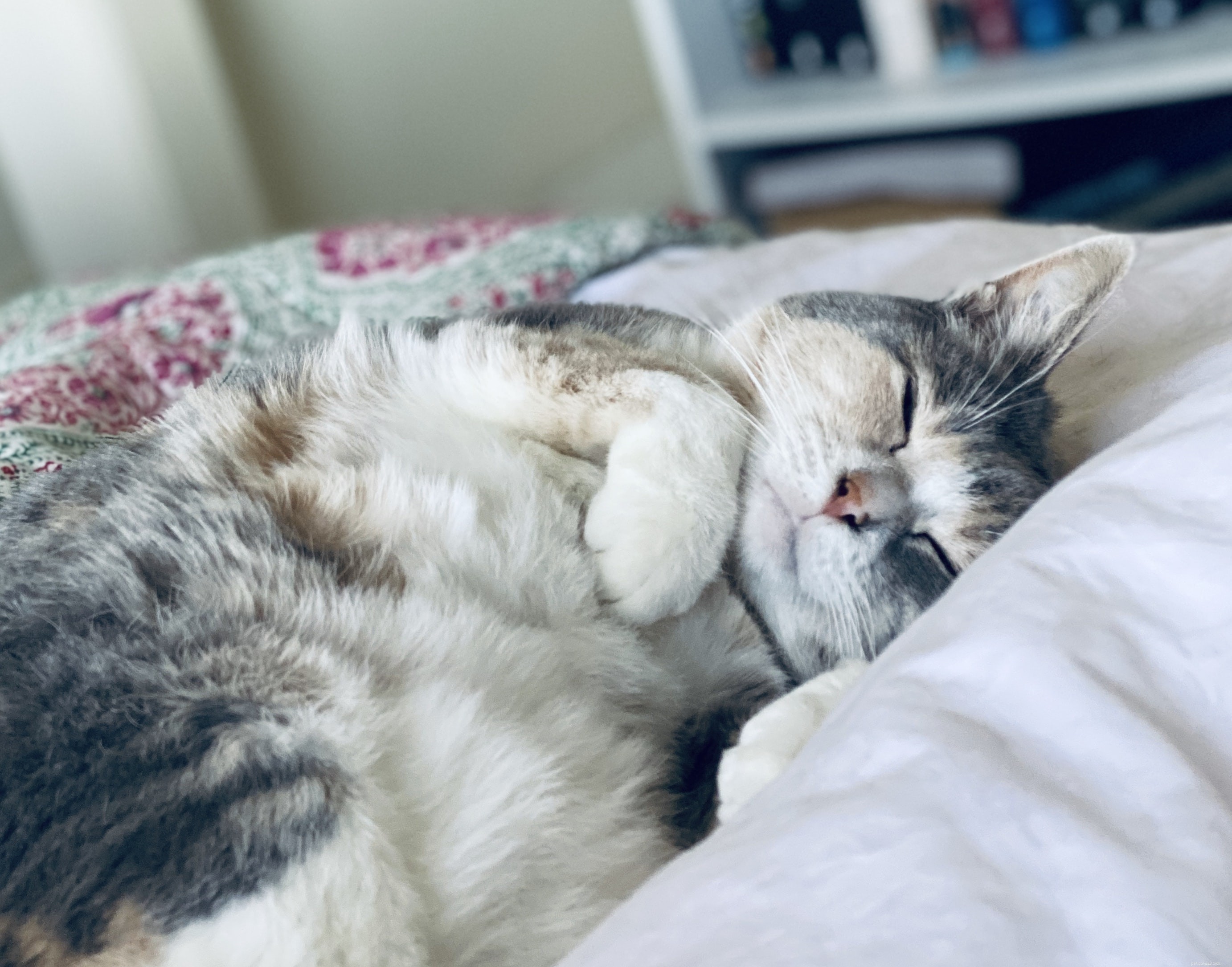
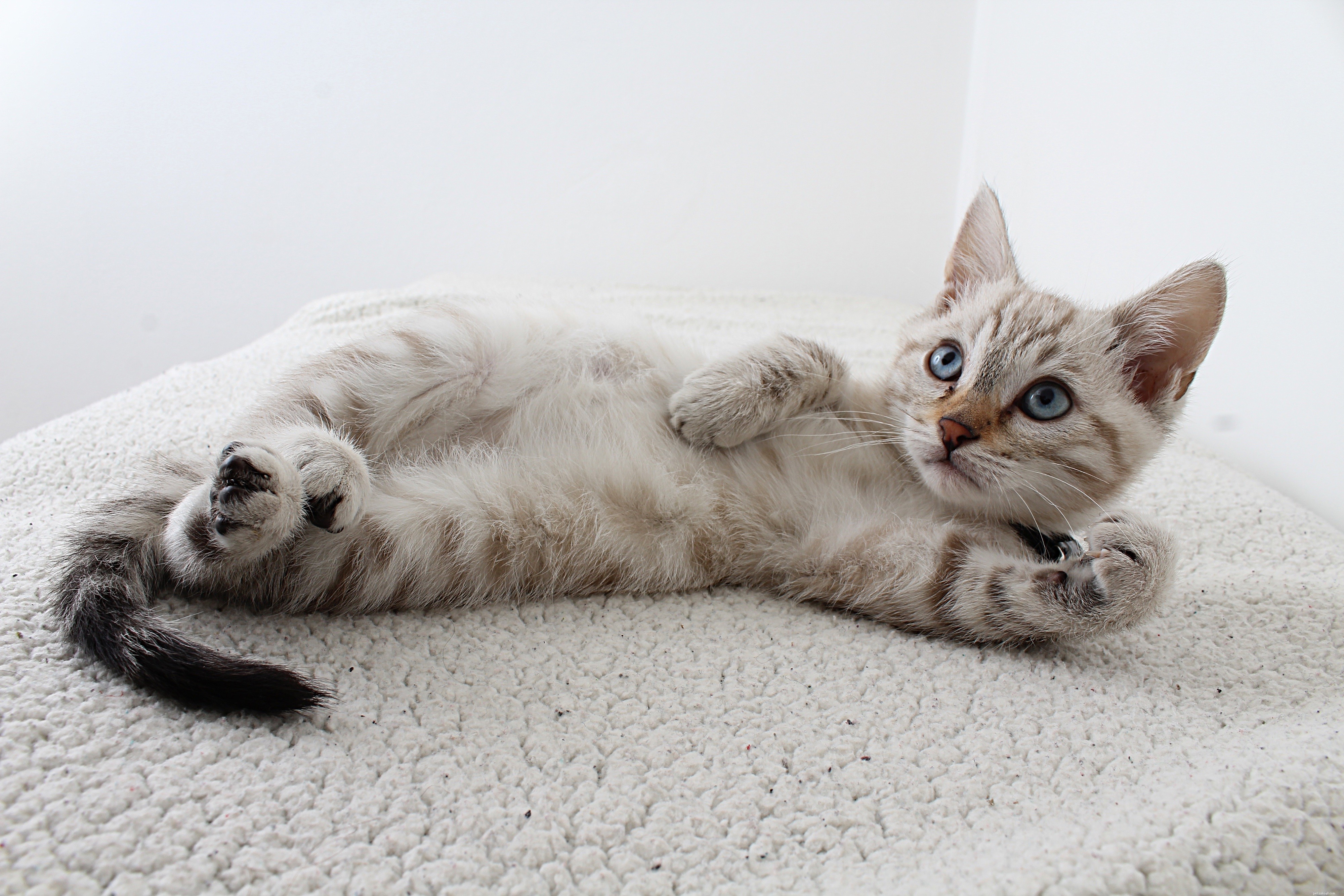
- While lying down, she can put her paws neatly under herself, or she can lie down on her side or even her back, her legs spread out to the sides – a sign that the cat is very happy!
- She may fall asleep with her eyes closed or half-closed, and she may also look as if she has heavy eyelids – sometimes you might think that a cat is dreaming! If your cat is blinking slowly, try and you will blink slowly to show that you are also relaxed – this imitation is great for making contact with your cat.
- The mustache is relaxed and the tail does not move or is raised high and slightly bent as if it were standing and greeting you.
- When stroking a cat, her eyes may close with satisfaction and she may growl gently.
Anxiety
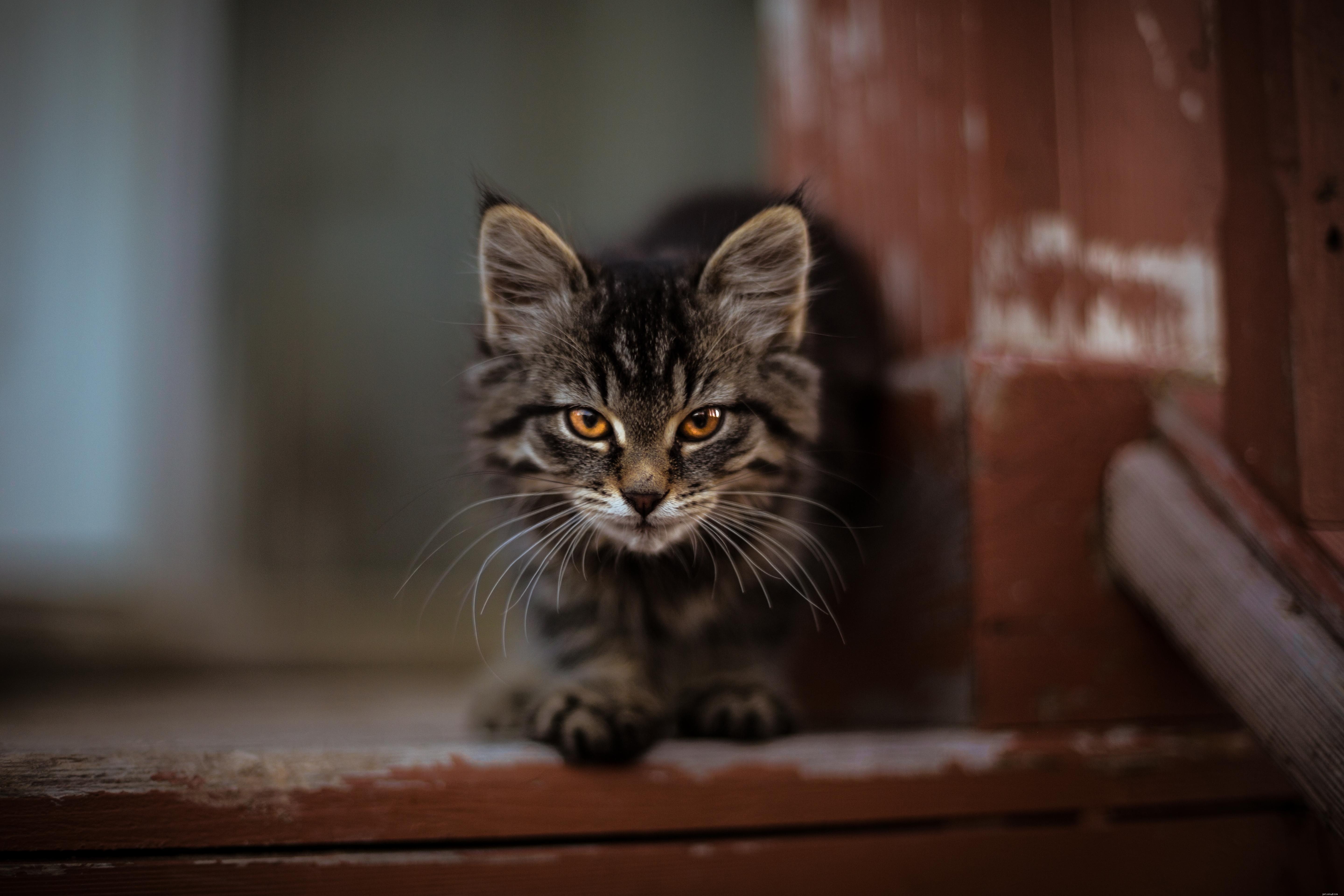
Cats can be very sensitive, especially to changes. It may take some time for your cat to adjust to new unexpected changes, so understanding the symptoms of an anxious cat’s behavior will help you help your cat relax again. The sooner you learn to recognize this from your cat’s body language, the sooner you will be able to calm it down by stroking it when it comes to calm and attention. Give the cat 2-3 days to get used to the big changes and return to normal.
- The cat’s eyes are open and do not blink, the pupils dilated to an oval or circular shape.
- The ears can move alone from relaxing to forward-facing position in all directions for more information. If a cat is very worried, she may even align her back with her head.
- The head begins to lower, the mustache drawn to the sides to make the cat look small and non-threatening; scared she can throw forward.
- As fear grows, the cat may begin to twitch or its back may bend as it prepares to run.
- The signs of the tail are also very important – the tail may not move or its tip may move easily to the sides, and this indicates fear. If you see this exceptional movement of your cat’s tail, be sure to try to calm it down.
Fear
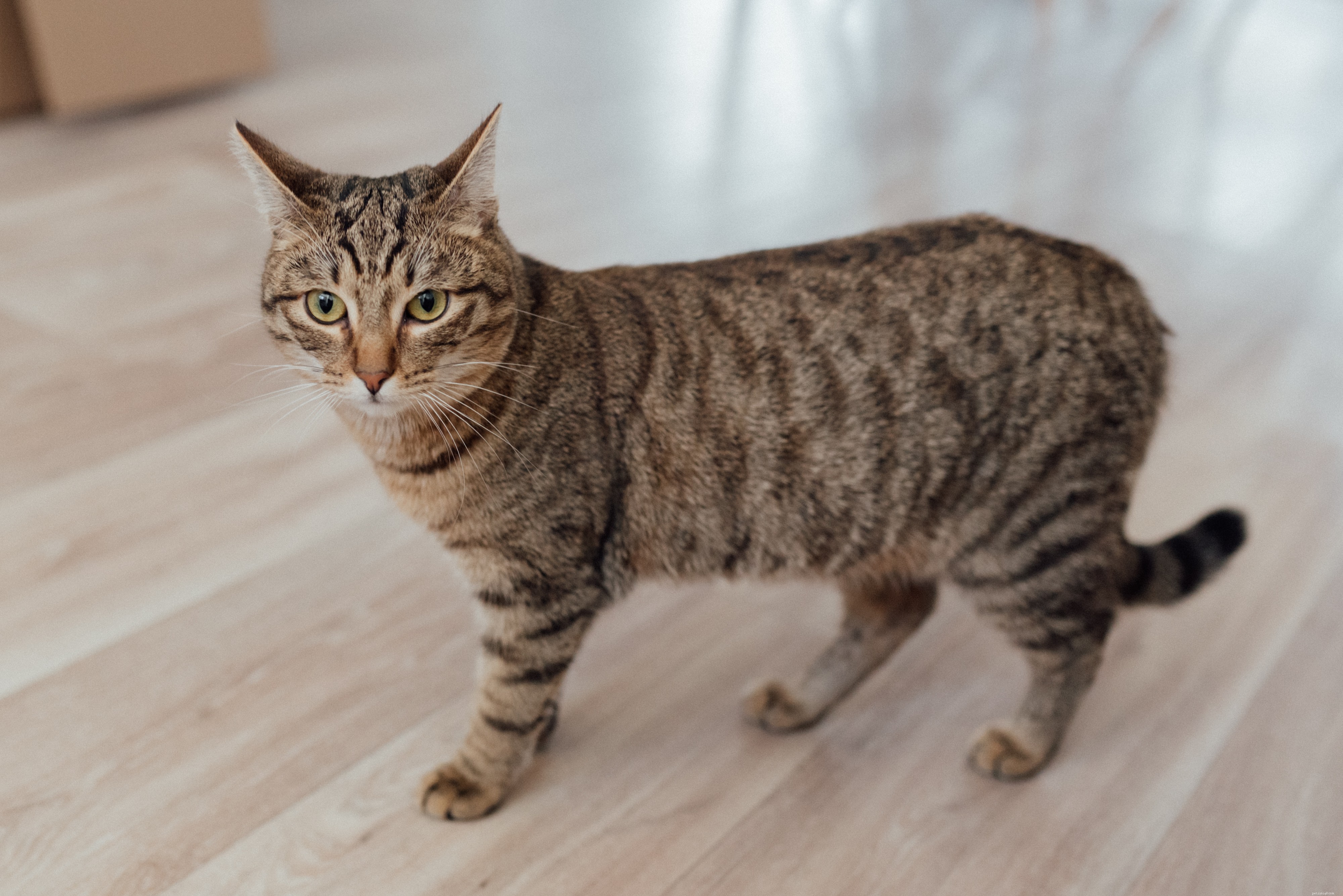
Cat anxiety may be harder to spot, but when a cat is scared, it is more noticeable. If she’s scared of something, like a loud noise, you won’t calm down your cat by stroking your cat, it’s very likely that not even your favorite treat will help. Her body language shows that she is scared and will only return to normal when she feels safe. To reassure her, try not to move fast as you may be seen as another threat. It is better, if possible, to remove anything that causes fear and wait for the cat to calm down. If your cat shows such signs frequently, you may want to consult a veterinarian and he or she will be able to recommend a cat behavior specialist.
- The cat’s ears are bent back and pressed to the head (it can be lowered) and the gaze is directed upwards.
- A cat can escape or can stand very quietly or collapse if escape is not possible.
- Eyes very wide open, pupils fully dilated, and mustache flattened or swollen.
- When the threat approaches, the cat may hiss or spray, growl, or moisten with spread nails.
- Some cats stretch their legs to look taller, or bend their backs and lean to look bigger.
- The tail can be squeezed under the body or moved furiously to the sides.
Disappointment
A cat may be very frustrated with a particular short-term event, such as not being able to reach a favorite toy, or may experience long-term frustration with a lack of stimulation, such as not being able to express its need to hunt.
It is often not understood that a cat is experiencing long-term frustration, so if you think your cat may feel this way, it is important to talk to your veterinarian about this to help your cat return to a state of satisfaction.
- A frustrated but active cat attentively focuses on the subject of his frustration and tries his best to get what he wants!
- All her senses are focused on the goal – the pupils of the eyes are enlarged, the ears are tilted forward, and the mustache is directed forward and extended to the sides.
- A cat can walk impatiently if it doesn’t get what it wants.
- Cats can’t stay frustrated forever, so when they don’t get what they want, they either give up or, in some cases, develop long-term frustration or even depression (depending on the source of the frustration).
- Cats with long-term depression are often apathetic, refuse food, do not play, and do not interact with others.
Anger
If you notice that your cat is angry, exercise extreme caution. Never provoke an angry cat – do not stare and run on it, do not make sudden movements and avoid touching or comforting it, as it may perceive it as an additional threat and attack. It is better to retreat slowly, remove all threats if you can do it safely, and give the cat time and space to calm down.
If you notice that your cat’s body language is constantly angry, you may want to seek the help of a veterinarian or animal behavior specialist who can help you understand the cause of such negative cat body language.
- The cat behaves completely differently than usual – perhaps it is silent, hissing, squirting or growling.
- She tries to look big and menacing – she rubs her fur, straightens her front legs or threateningly squats.
- The ears are tense, rejected back and snuggled to the head, the mustache churning and rising from the muzzle.
- The look is firm and focused. The pupils may be narrowed, although some cats have round and non-blinking eyes.

Relief
When an angry, frightened, or frustrated cat feels that the perceived threat is gone, the quickest it will begin to feel relief. It is important not only to recognize your cat’s anger or fright – by understanding that your cat is feeling relieved, you will also help her feel normal and relaxed.
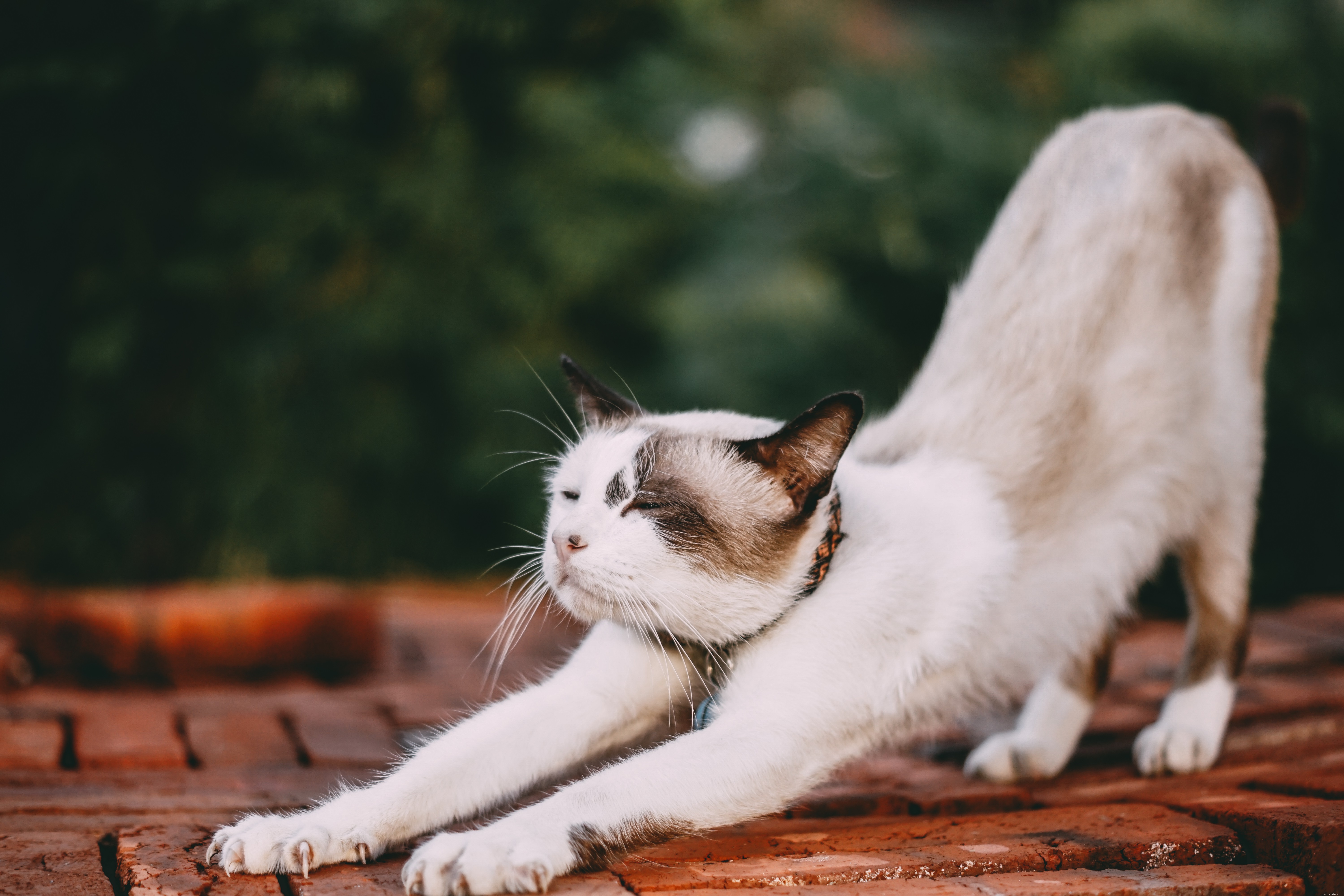
- Relief can be shown by the whole body of a cat – some stretch it to remove tension!
- The eyes, ears, head, body and tail are noticeably relaxed.
- The mustache returns to the rest position, moves away from the muzzle and head, then descends.
- Some cats can get dry, twisted, and half-open their eyes or even take a bath as needed.
Once you understand how your cat feels, you will be better able to respond to its needs and behaviors. While many are perceived instinctively – hissing is an obvious sign of anger even for a person without a cat – other signs are more subtle. Using the guide above, you can determine how your cat feels and enjoy a closer relationship than ever before.
- Pet Behavior
- Pet Breeds
- Pet Names
- Pet Adoption
- Pet Training
- Cat Stories
- Pet Health
- Adorable Pets
- Cats
- Understanding Canine Body Language: A Practical Guide for Dog Owners
- Understanding Cat Body Language: A Guide to Interpreting Your Feline’s Signals
- Assess Your Cat’s Ideal Weight: A Simple Guide for Owners
- Decode Your Cat’s Body Language: A Practical Guide for Pet Owners
- Decode Your Cat's Body Language: A Trusted Guide to Understanding Their Emotions
- Decode Your Cat's Body Language: A Comprehensive Guide
- Decode Your Cat’s Body Language: A Complete Guide to Understanding Feline Behavior