

Guide to Easing Cat Anxiety: Proven Steps to Help Your Feline Overcome Fears
How to Help Cats Overcome Fears? A cat’s survival instinct often keeps her out of trouble, but sometimes it can become an irrational phobia. Fortunately, there are ways to help your frightened cat and protect it from unnecessary fears.
An impressive cat’s survival instinct is one of those things that helps to take great care of yourself outdoors! A frightened cat usually runs away from anything that might pose a threat and, getting stuck somewhere, waits for the threat to pass, watching from afar and avoiding a direct collision.
However, this instinct can turn into a less rational fear, and the cat begins to fear everything that you see is really safe. If this tension occurs frequently and is severe, it can adversely affect the overall well-being of the cat. There are a few things you can do to make your cat feel completely safe in your home, especially if you notice when she is scared.
Start getting a young cat used to everything; this will help her grow up timeless, not disturbed by things like thunder, fireworks, travel or new guests. The most important thing is to accustom your cat to these harmless but frightening-looking things, even when she is sensitive to impressions and has not yet begun to regard these insignificant disturbances as major threats. If the kitten is not afraid, he will most likely become a fearless cat when he grows up (so he will experience less stress).
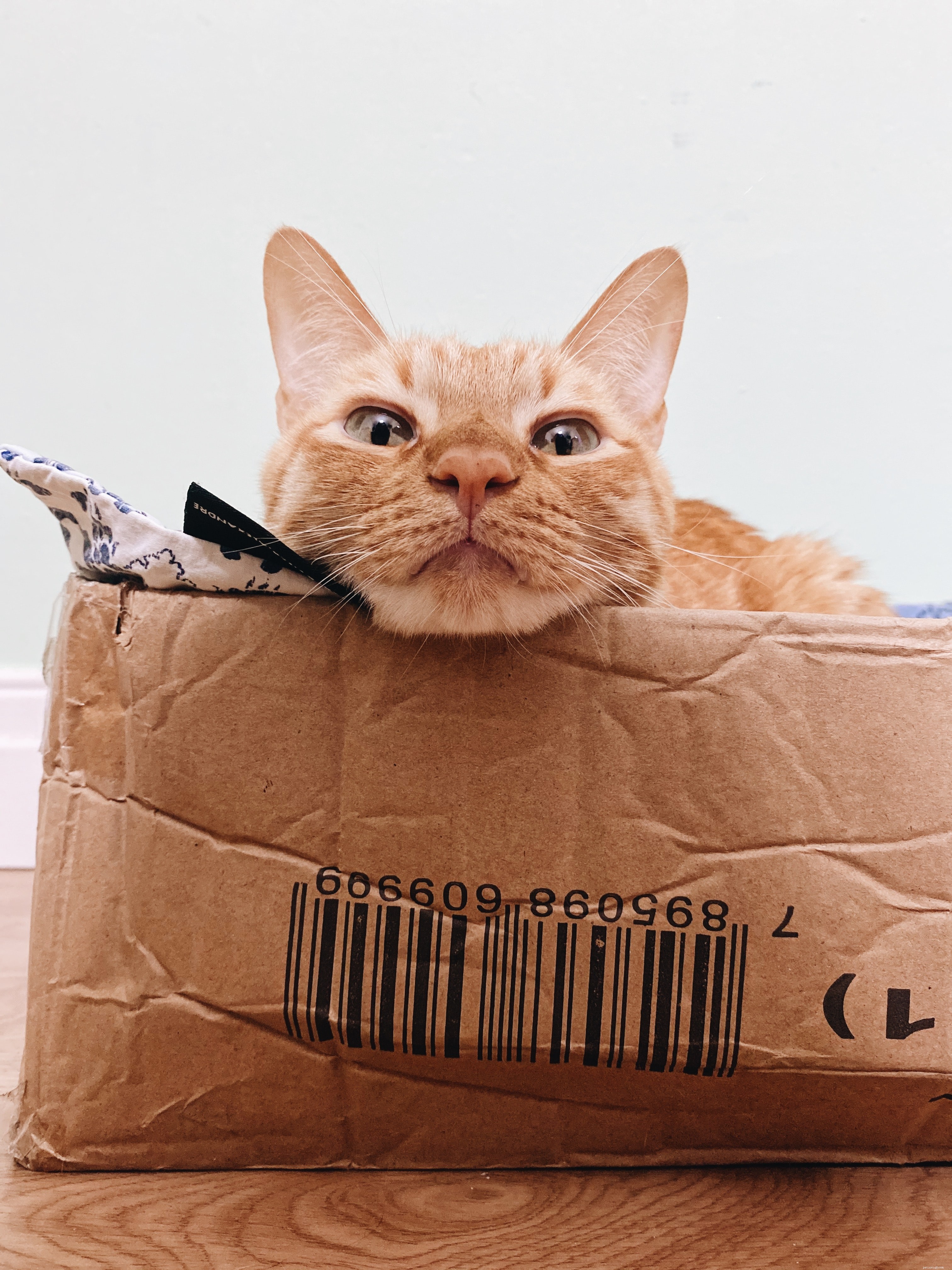
A safe place to leave the cat at home
Some cats get nervous if they are left alone at home, so a safe place for them to hide until you move will soothe her. It’s like the opportunity to sneak into soft beds – somewhere where a nervous cat would be warm, safe and reliable.
Make sure she can hide somewhere comfortably, have some kind of hideout that she can slip into whenever needed. For example, a cardboard box with a hole cut out on the side and a soft, cozy deck, placed in a well-ventilated closet or on a wide windowsill, is an inexpensive and safe shelter for a timid and nervous cat.
Such a hiding place will calm the cat, so if you need to hide, it will have a place where you will feel safe. A synthetic pheromone spray or switchable diffuser would also help enhance the feeling of well-being and security. Ask your veterinarian for more advice on this and ask if it would help your nervous cat.
If you are raising a restless or tense cat, do not follow it even to calm it down – it will calm itself down in its safe place. The best thing you can do when you notice that your cat is scared is to behave normally and make sure you really know where it is and that it is safe.
Is your cat afraid of people?
It is not uncommon for a healthy, well-socialized cat or kitten to be afraid of strangers. The suspicion that arises at first is normal, but your cat should soon realize that new people can be another source of attention, games, and even delicacies! Could there be an even more serious reason for your cat to make friends with new people?
Of course, non-socialized and wild cats or cats that have been mistreated in the past react differently. Unfortunately, such cats do not always associate people with pleasant experiences and are instinctively suspicious. It may have been a bad experience with previous owners or other people and caused your cat to be restless, so keep her past in mind. This may be the case if your cat has come to you from the rescue center as an adult.
That’s why it’s so important to start socializing kittens from an early age – especially those coming from animal rescue facilities. The more diverse the early positive experience of the kitten, the less likely he is to be timid in the future.
Cats that are afraid of common things at home, such as visitors, are hard to wean from fear, but you can certainly help them and at least alleviate the stress they experience, and in the long run, with patience, you will get better. If you notice that your cat is nervous, ask your veterinarian for help or ask to be referred to a cat behavior specialist as soon as possible.
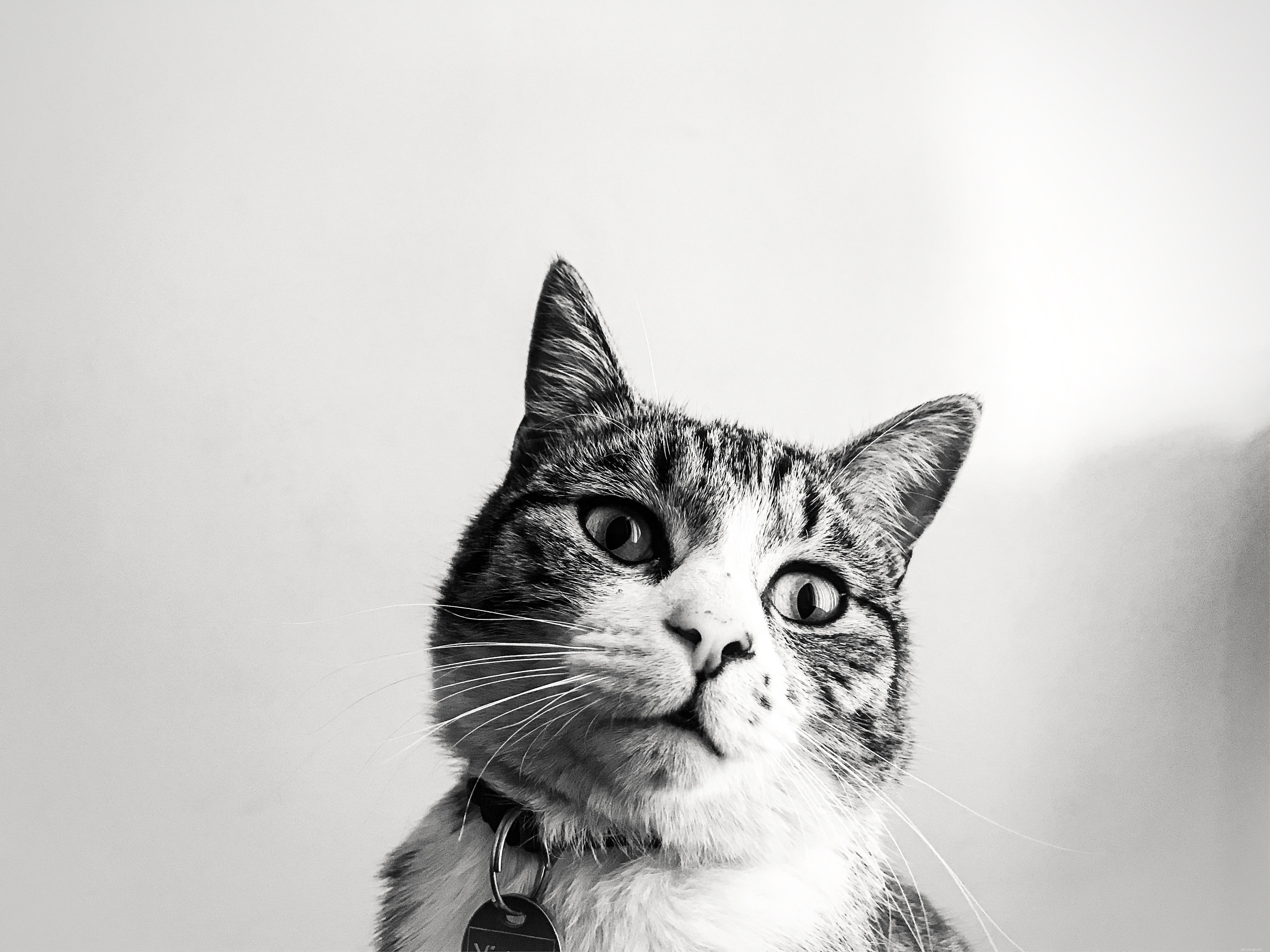
Fear of older cats
If you are raising an older cat (over seven years old), she will probably need more of your help to make her feel safe and able to communicate. An older cat may require a lot more of your help than at a young age, but try not to increase your attention so as not to increase your addiction and encourage such learned helplessness. Save the tenderness of comfort for the time your cat really needs it, and then you can pamper her as much as your heart desires!
- Pet Behavior
- Pet Breeds
- Pet Names
- Pet Adoption
- Pet Training
- Cat Stories
- Pet Health
- Adorable Pets
- Cats
- Do Cats Grieve? Understanding Cat Grief & How to Support Your Pet
- How to Foster Harmony Among Cats: A Practical Guide for Multi-Cat Households
- Understanding Cat Grief: How to Support a Cat in Loss
- Safeguard Your Home: Expert Tips to Cat‑Proof Your Living Space
- Expert Guide to Introducing Cats: Tips for a Smooth Transition
- The Science Behind Cats: Understanding Their Behavior and Biology
- The Health Benefits of Owning a Cat: Lower Blood Pressure & More