

Teach Your Dog to Use a Bell for Potty Breaks: A Proven 5‑Step Training Method
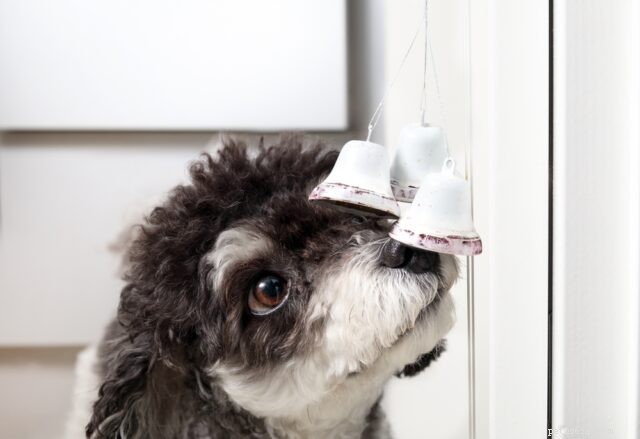
KEY TAKEAWAYS: Introduce the bell slowly, allow your dog to explore and associate it with positive rewards. Once familiar, prompt a touch before every walk, then reward immediately after the bathroom visit. Consistency and patience are the keys to success.
\nImagine never guessing when your dog needs to go outside—your pet simply rings a bell to let you know.
\nBell training is a proven communication tool that many professional trainers use for effective house‑breaking. This guide explains how it works, what you’ll need, and a clear step‑by‑step process to teach your dog to use a bell for potty breaks.
\nWhy Teach Your Dog to Use a Bell for Potty Breaks
\nBell training lets your dog signal a need to relieve itself by ringing or tapping a bell. You no longer need to interpret whining, panting, or pacing, which can indicate hunger, affection, or boredom.
\nBy giving your dog a dedicated signal for bathroom breaks, you reduce indoor accidents, create a predictable routine, and strengthen your bond through clear communication.
\nPositive reinforcement and repeated practice make this technique effective for puppies, adult dogs, and rescue dogs alike.
\nIt’s especially useful for senior dogs dealing with incontinence, a common issue among older pets.
\n Step 1: Introduce the Bell
\nChoose a bell that’s loud enough to catch your dog’s attention—options include a hanging sleigh bell, a floor bell, a wireless bell, or a recordable button. Keep the same bell throughout training to avoid confusion.
\nLet your dog sniff, circle, and investigate the bell. Reward any interaction with a tasty treat to build a positive association.
\nStep 2: Teach Your Dog to Touch the Bell
\nShow your dog how to touch the bell with its nose or paw. If your dog is noise‑sensitive, play the bell’s sound at a low volume first and demonstrate that it’s safe. Apply a small amount of peanut butter or cream cheese to the bell to encourage contact.
\nEvery time the dog makes contact, give a treat and enthusiastic praise.
\nStep 3: Ring the Bell Before Every Potty Break
\nOnce the dog consistently touches the bell, incorporate it into your established routine—after waking, after meals, or before play. Prompt the bell right before you open the door for a walk.
\nStep 4: Reinforce the Connection
\nImmediately open the door after the bell rings, then reward the dog with a treat and praise as soon as it finishes outside. Avoid rewarding the bell itself; the reward should follow the outdoor activity to reinforce the correct association.
\nStep 5: Fade Out Excessive Prompting
\nGradually reduce verbal prompts until your dog rings the bell independently. A confident dog will instinctively use the bell to signal a need to go.
\n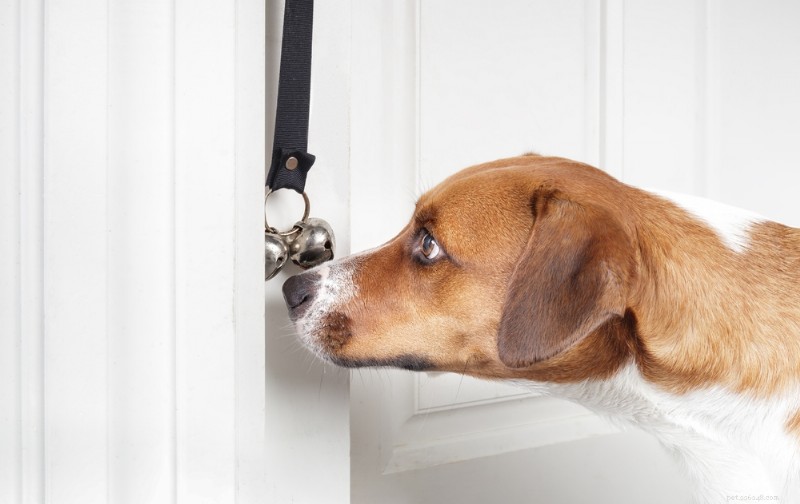
Additional Tips for Successful Potty Bell Training
\n1. Keep Potty Breaks Consistent
\nRoutines help dogs read bodily signals. Keep the timing and door used for walks the same each day to build predictability and prevent accidents.
\n2. Use High‑Value Rewards
\nHigh‑value treats—small pieces of cooked chicken, cheese, liver, or favorite toys—motivate even the most reluctant dogs. Reserve these treats exclusively for training sessions.
\n3. Be Patient and Positive
\nDogs mirror our emotions. A calm, patient tone encourages learning and prevents frustration. Small setbacks are normal; persistence pays off.
\n4. Common Mistakes to Avoid
\n- \n
- Inconsistency: Skipping bell prompts slows learning. \n
- Using the bell for play: Confuses the dog and weakens the potty signal. \n
- Punishing accidents: Creates fear and hampers progress. \n
- Delayed response: Ignoring the bell discourages its use. \n
Troubleshooting Common Potty Bell Issues
\nMy Dog Rings the Bell Constantly
\nIt may have linked the bell to play. Keep the bell strictly for bathroom trips, give minimal treats, and avoid using it during playtime.
\nMy Dog Is Afraid of the Bell
\nDesensitize gradually. Start with the bell’s presence, then its sound. Wrap the bell in a cloth or tape to muffle the noise until comfort is regained. Offer a treat to encourage contact.
\nMy Dog Ignores the Bell
\nMake the bell more enticing—place a high‑value treat on it, reward the ring, and immediately walk the dog. Consistency will turn this into a habit.
\nMy Dog Uses the Bell Sometimes but Not Always
\nContinue the routine. Every bell ring must precede a walk, and if the dog does not potty, return inside. Repetition solidifies the link.
\n
How Often Should Puppies Go Outside for Potty Breaks?
\nPuppies need to go every 1–2 hours, roughly one hour of bladder time per month of age. After eating, drinking, playing, and waking up, they should also be taken outside.
\nCan Older Dogs Still Learn New Tricks?
\nAbsolutely. Older dogs often have better focus and can learn with the same positive reinforcement and consistency that works for puppies.
\nWhat Are the Signs That a Dog Needs to Go Potty?
\nSniffing, circling, whining, pacing, or heading toward the door are classic cues. Knowing your dog’s signals prevents accidents and reinforces training.
\nShould Dogs Be Crate‑Trained During Potty Training?
\nCrate training is beneficial. Dogs naturally avoid soiling their sleeping area, promoting bladder control. Ensure the crate is a safe, not punitive, space.
\nHow Long Does Potty Bell Training Take?
\nMost dogs master the bell in 1–3 weeks with consistent practice. Puppies may need a bit more time; clear cues and instant rewards accelerate learning.
\nBefore You Start
\nTeaching your dog to use a bell simplifies house‑breaking and strengthens communication. Consistency, patience, and positive reinforcement are the foundations for success.
\nWant more dog‑training resources? Explore our related articles below.
\nRelated Articles
\n- \n
- Housebreaking Puppy: Grass Litter Boxes vs. Housebreaking Training Pads \n
- Reward‑Based Training in Dogs: Benefits and Do's & Don'ts \n
- Virtual Dog Training Classes & 6 Online Places to Try \n
Comments are closed for this post.
- Pet Behavior
- Pet Breeds
- Pet Names
- Pet Adoption
- Pet Training
- Cat Stories
- Pet Health
- Adorable Pets
- Cats
- Goffin's Cockatoo: Comprehensive Profile & Care Guide
- The Ultimate Guide to Caring for Pet Budgie Birds
- Top 16 Trusted Veterinarians in Chicago, IL – Expert Care for All Pets
- 5 Effective Strategies to Manage Your Puppy’s Misbehavior Around Senior Dogs
- Planning for Pet Dental Expenses: Vet Fees, Insurance, and Savings Tips
- How to Teach Your Dog Proper Greetings: A Step-by-Step Guide
- Mastering Nitrate Control in Your Freshwater Aquarium