

How Dogs Mirror Their Owners’ Energy and Personality—Scientific Insights

Calm dogs often have calm owners, while energetic dogs reflect energetic owners.
This observation isn’t mere coincidence—decades of research confirm that dogs echo their human companions’ moods, stress levels, and daily routines.
In this article we explore key studies, explain the underlying biology, and offer practical tips for owners who want to nurture a healthier, happier partnership with their canine friends.
RELATED: Science of Human‑Dog Psychology: Are You and Your Dog a Good Match?
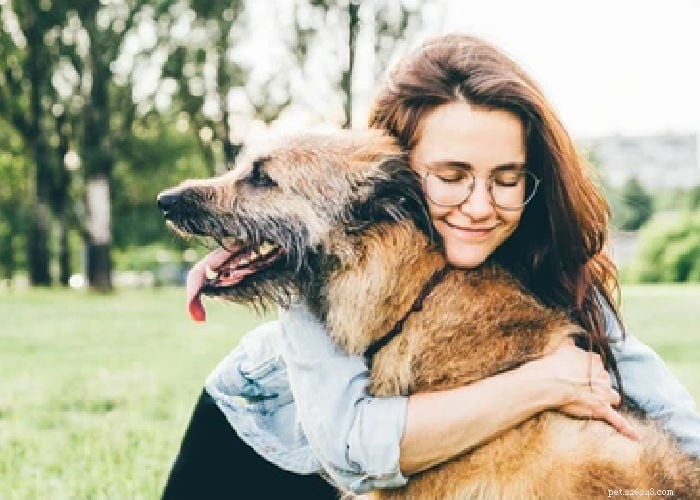
Can Dogs Really Mirror Human Emotions?
Dogs are highly attuned to visual and auditory cues. Over thousands of years of domestication, they evolved to read human body language—tone of voice, posture, facial expressions, and even subtle changes in breathing and tension. These signals trigger the same emotional states in dogs that they evoke in us.
The Power of a Dog’s Sense of Smell
Canine olfaction is 100‑ to 300‑times more acute than ours. When we experience stress, our bodies release hormones and volatile organic compounds through sweat and breath. Dogs can detect these chemical changes with roughly 90 % accuracy, allowing them to respond empathetically. (See: "Dogs Can Smell Many Things – Including Time")
Cross‑Species Emotional Contagion
Research published in the Journal of Comparative Psychology shows that emotional contagion—an organism adopting another’s affective state—occurs not only within a species but also across species boundaries. The study found that the length of the owner‑dog relationship intensifies this effect, meaning long‑term bonds foster stronger emotional mirroring.
Hormonal Synchrony: Oxytocin and Cortisol
Oxytocin, the hormone associated with bonding, is released during positive interactions such as petting and play. It mirrors the infant‑parent bond, creating deep trust between dog and owner. Conversely, cortisol, the stress hormone, also synchronizes between dogs and their owners. A study led by Ann‑Soofie Sundman at Linköping University reported that owners with elevated long‑term cortisol levels tend to have dogs with similarly high cortisol, and vice versa.
RELATED: Sudden Tragedy Reveals The Strong Bond Between Humans and Animals
Mirror Neurons: The Neural Basis of Empathy
Mirror neurons fire both when an individual performs an action and when they observe the same action performed by another. While definitive evidence in dogs is pending, many neuroscientists believe dogs possess a similar system, allowing them to echo our emotional states and behaviors.
How Dogs Mirror Their Owners
Energy Levels and Activity
Calm households typically have calm dogs, and vibrant, active families tend to have energetic dogs. Dogs absorb the emotional rhythm of their home and adjust their own behavior accordingly.
Stress, Anxiety, and Mood
Owners who feel anxious or stressed often notice their dogs pacing, whining, or withdrawing. Dogs reflect our cortisol patterns over time, so managing stress is crucial for both parties. When owners feel down, dogs often respond with comforting behaviors such as cuddling or licking. (See: "20 Signs a Dog is Stressed (Based on Science)")
Social Confidence
Friendly, socially engaged owners tend to raise dogs that are more sociable and confident. Early socialization further reinforces this effect, and dogs can even help owners build social connections through shared activities.
Habits and Daily Routine
Dogs synchronize with their owners’ schedules—wake‑up times, meal times, exercise routines, and even simple gestures like stretching or yawning. This mirroring underscores the depth of the human‑dog bond. (See: "4 Good Reasons Why Your Dog Needs a Routine")
FAQs About Dogs Mirroring Human Behavior
Can dogs copy personality traits?
Dogs do not copy human personality per se, but they do align their behavior and emotional cues with those of their owners. Over time, this alignment can make a dog appear to “match” an owner’s energy or habits.
RELATED: What are Dog Personality Traits and Types?
Does dog breed matter?
Breed influences temperament; herding and companion breeds tend to be more sensitive to human emotions. However, environment and training play a larger role in shaping behavior.
Why does a dog act differently around different people?
A dog’s behavior varies based on past interactions, comfort levels, and the cues it receives from each person. Familiarity, body language, tone, and consistency all influence responses.
Can training change a dog’s emotional behavior?
Positive reinforcement training can reshape emotional responses, building confidence and reducing fear or anxiety. While training doesn’t alter a dog’s core temperament, it improves coping mechanisms. Professional guidance may be needed for severe behavioral issues.

Before You Go…
Dogs are deeply connected to the people around them, picking up on our emotions, stress, and daily rhythms. Calm, consistent environments promote healthier behavior in dogs and stronger bonds for owners. Adopt gentle training, provide mental and physical stimulation, and manage household stress to cultivate a harmonious home.
For more science‑backed insights into canine behavior and training, explore our latest guides on canine psychology.
Related Articles
- Why Is My Dog So Cute? Science Explained!
- Why Do Dogs Sleep With Their Bum Facing You: What Science Says?
- Do Dogs Dream? What Science Reveals About Dog Dreams
Comments are closed for this post.
- Pet Behavior
- Pet Breeds
- Pet Names
- Pet Adoption
- Pet Training
- Cat Stories
- Pet Health
- Adorable Pets
- Cats
- Expert‑Recommended Dog Brushes for Every Fur Type
- Unlocking Dandelion’s Natural Benefits for Your Dog’s Health
- 25 Wolf‑Inspired Dog Breeds: A Guide to the Wildest Canines
- 9 Clear Indicators Your Cat Is Under Stress – How to Spot and Ease It
- Can Dogs Learn by Observing? Discover Their Remarkable Learning Power
- Can Dogs Truly Comprehend Coyotes? Exploring the Connection
- How to Calm Your Stressed Hamster: Simple, Proven Tips