

Why Do Cats Headbutt? Decoding Their Meaningful Nudge
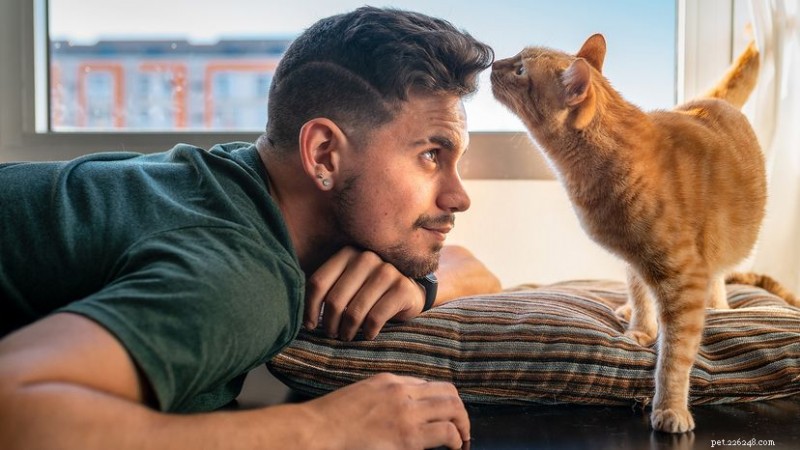
If your feline friend gently bumps its forehead against you, you’re witnessing more than a cute habit. That soft nudge is a purposeful signal in cat communication, expressing trust, affection, and territorial bonding.
What Is Head Bunting?
Head bunting is a deliberate action in which a cat rubs its forehead, cheeks, or the side of its face against a person, object, or another animal. The movement is gentle, often accompanied by purring, a slow blink, or a relaxed body posture. Unlike head pressing—a behavior that can signal neurological distress—head bunting is an affiliative gesture.
Scent Marking and Territory
Cats possess scent glands on their cheeks, forehead, chin, and paws. When they press their head against you, these glands release pheromones that mark the target with their scent. In the wild, this practice blends individual scents into a collective “colony scent,” creating a familiar olfactory environment that signals safety and belonging.
When you feel that gentle bump on your arm or face, your cat is essentially saying, “You’re part of my territory, and I feel secure with you.”
A Sign of Affection
Head bunting is one of the clearest ways a cat shows love. It’s comparable to a hug or a kiss in human terms. Cats will often follow a headbutt with a slow blink or a cuddle, reinforcing the bond.
Only trusted companions receive this gesture; some cats may even bunt other pets or new people when they feel safe enough.
Seeking Attention or Interaction
Beyond affection, a headbutt can be a subtle way to get your attention. Whether your cat wants a snack, a scratch, or simply to be acknowledged, that gentle nudge is a polite, tactile reminder of its presence—far less intrusive than a midnight meow.
Many owners learn to recognize the cue: a headbutt followed by a quick turn toward you often signals a desire for reciprocal affection.
Head Bunting vs. Head Pressing
While head bunting is affectionate, head pressing—persistently pushing the head against a wall or object—can indicate underlying health issues such as neurological disorders. If you notice this behavior, consult a veterinarian promptly.
Where Cats Bunt and Why
Typical targets include your forehead, chin, ears, and hands. Cats also bunt walls, furniture, or other pets to establish a scent-marked safe space. Each area contains scent glands, making it a natural “this is mine” marker.
At home, head bunting strengthens the human‑cat bond and reinforces a shared sense of security.
Every cat is unique; some may prefer rubbing against legs or using their tail to communicate. Observing your cat’s individual cues will help you interpret its messages accurately.
Our article has been fact‑checked and edited by experienced animal‑behavior writers to ensure accurate, trustworthy information.
- Pet Behavior
- Pet Breeds
- Pet Names
- Pet Adoption
- Pet Training
- Cat Stories
- Pet Health
- Adorable Pets
- Cats
- Understanding Calming Behaviors in Dogs: Decoding Their Stress Signals
- Mountain Cur Dog Breed Profile: Origin, Traits, and Care
- What Temperature Is Too Low for Chickens? A Practical Guide to Winter Care
- Dogo Sardo: History, Traits & Care Guide for Italy's Loyal Working Dog
- Chicken & Rice Mini Muffin Treats for Dogs with Sensitive Stomachs
- Declutter Your Pet’s Space with Marie Kondo’s KonMari Method
- Meet Corduroy: Guinness World Record Holder & the Oldest Living Cat – Exclusive Interview with His Mother