

Why Do Cats Follow You? Understanding the Behavior and When to Act
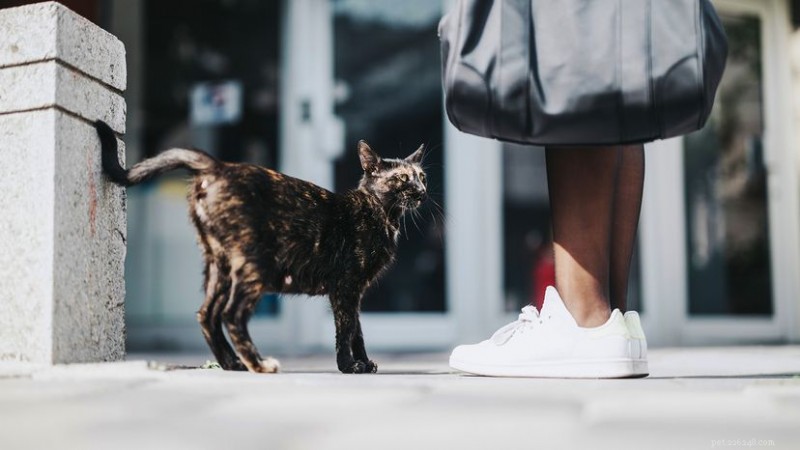
If you’ve ever tripped over your feline or found them waiting outside the bathroom door, you’re not alone. While it may seem odd, a cat’s tendency to shadow its human is usually normal and can tell you a lot about its needs and well‑being.
Attention, Affection, or Food
Many cats follow us because they’ve learned that movement often signals a reward. Whether it’s a treat, a play session, or a refilled food bowl, a cat’s behavior can reflect simple expectations. In addition, cats form strong bonds with their owners; a gentle head‑butt, a sit in your lap, or a slow blink are classic signs that your cat views you as a trusted companion.
Curiosity and Playtime
Cats are naturally inquisitive. By trailing you from room to room, they keep themselves entertained, investigate new sounds, and stay engaged with the household’s rhythm. Kittens and indoor cats, in particular, rely on you for stimulation. If you notice a lack of energy or restless pacing, a regular play routine or rotating toys can help satisfy their curiosity.
Separation Anxiety and Stress
When a cat suddenly becomes clingy, it may be experiencing separation anxiety. Moves, new family members, or the loss of another pet can trigger this behavior. Excessive meowing, scratching at doors, or nonstop following multiple household members are red flags. Providing safe, quiet spaces—such as a cozy bed or a secluded corner—can help restore confidence.
Health and Medical Concerns
Changes in attachment or attention can also signal illness. Older cats or those that have recently lost weight, altered their appetite, or shifted litter‑box habits should receive a veterinary check‑up. Pain or discomfort often drives a cat to seek more company or behave unusually.
Bathroom Behavior and Quirky Habits
Following you to the bathroom or waiting outside a door isn’t a bid for dominance. For many cats, the bathroom’s ambient noises, scents, or dripping water provide intriguing stimuli. A sudden restriction—such as a closed door—can amplify a cat’s desire to stay close.
When to Worry
If your cat’s appetite, sleep, and play remain normal, there’s usually no cause for alarm. However, a sudden shift in routine, persistent stress, or new medical symptoms warrants a veterinary consultation. Monitoring overall behavior is the best way to catch problems early.
Prepared with AI support and fact‑checked by a HowStuffWorks editor, this guide offers evidence‑based insights into feline following behavior.
- Pet Behavior
- Pet Breeds
- Pet Names
- Pet Adoption
- Pet Training
- Cat Stories
- Pet Health
- Adorable Pets
- Cats
- Essential Cash‑Flow Strategies for Independent Pet Retailers in the COVID‑19 Era
- Why Is My Cat Eating Unusual Items? Understanding Pica in Cats
- Understanding Your Dog's Tail Wag: 5 Key Reasons Behind the Behavior
- How Secondhand Smoke Threatens Your Cat’s Health
- 9 Stunning White Cats: Breeds, Traits & Fun Facts
- Is Raw Pork Safe for Dogs? Expert Guide to Risks and Benefits
- Military Macaw: Comprehensive Guide to Care, Temperament, and Adoption