

Ocicat: The Elegant, Affectionate Cat with Wild‑looking Spots
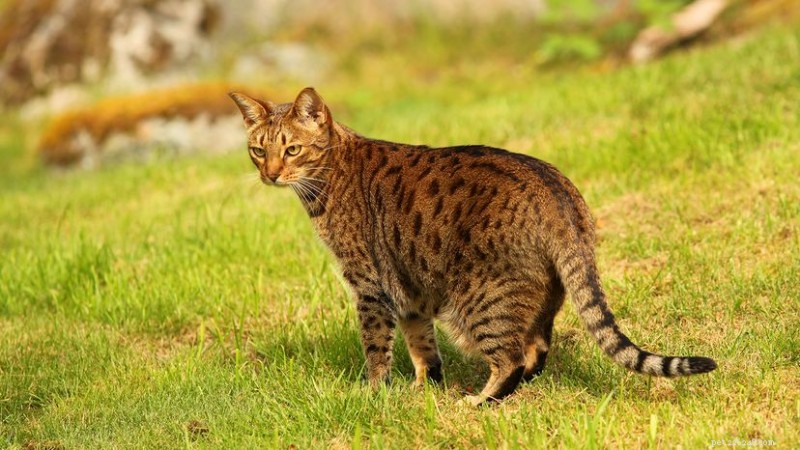
Not a wildcat. Not a zoo. Just a specially bred domestic cat roaming outside. Agarianna76 / Shutterstock
At first glance, the Ocicat may appear to have leapt straight from a jungle. Its striking ocelot‑like spots can be deceiving. In reality, this breed is a devoted housecat at heart, known for its dog‑like sociability and an irresistibly engaging personality that endears it to other pets and even the most skeptical neighbors.
Despite its wild appearance, the Ocicat was the result of a deliberate, science‑backed breeding program that fused elegance, confidence, and intelligence into a single, beloved companion.
How the Ocicat Came to Life
The Ocicat was first created in 1964 by Virginia Daly. She crossed a Siamese with an Abyssinian, then bred the offspring back to a Siamese to reinforce desirable traits. The first generation produced a stunning ivory kitten speckled with golden spots that reminded Daly’s daughter of a miniature ocelot.
Subsequent generations were refined by other breeders, incorporating American Shorthair cats to add bone structure and amplify the breed’s distinctive markings and short coat. The result is a cat that looks wild but behaves as a faithful, affectionate home companion.
Distinguishing Features
Ocicats are celebrated for their spotted coat, which comes in a spectrum of dramatic colors—blue silver, chocolate silver, cinnamon silver, fawn silver, lavender silver, and ebony silver. These hues overlay a lighter background, creating an intricate tabby pattern with a subtle sheen that commands attention.
Physically, Ocicats are medium to large, athletic cats with almond‑shaped eyes and a strong, muscular build. Many have a dark tip on their tail, adding to their exotic flair. They enjoy perching and climbing, making tall cat trees and high windowsills a natural habitat.
Personality & Social Dynamics
Don’t be fooled by their wild‑style exterior. Ocicats behave more like a Labrador than a leopard. They are confident, eager to please, and highly sociable. These cats thrive on interaction, curiosity, and affection, making them ideal companions for families seeking an engaging feline.
Ocicats greet strangers with enthusiasm, form strong bonds with their humans, and are often tolerant of other cats and household pets. Their high energy and intelligence flourish in environments that offer plenty of mental and physical stimulation.
Grooming & Health Considerations
The Ocicat’s short coat requires minimal upkeep. A weekly rubber‑brush session will remove loose hair and keep the coat in top shape. For show cats or a touch of pampering, a pearl‑tone shampoo can brighten lighter coats, while a bronze‑tone formula deepens richer shades.
Overall, Ocicats are a healthy breed, though they may be predisposed to progressive retinal atrophy—a genetic eye condition that can impair vision. Always purchase from a reputable breeder who provides health screening information.
Because they are not prone to over‑grooming, Ocicats rely on ample space and engaging activities to maintain their well‑being. Toys, climbing structures, and regular interaction help keep them content and fit.
Recognition & Legacy
The Ocicat has earned championship status with leading organizations such as the Cat Fanciers’ Association (CFA) and the International Cat Association (TICA). Its lineage blends Abyssinian points, Abyssinian‑pointed Siamese, chocolate‑pointed Siamese, and American Shorthair genetics.
Ocicats are exceptionally adaptable, thriving with children, adults, and other pets alike. Whether you’re drawn to the classic tabby pattern or enchanted by chocolate or lilac silver tones, Ocicats are sure to capture your heart.
We crafted this article with AI assistance, followed by thorough fact‑checking and editorial review by a HowStuffWorks editor.
- Pet Behavior
- Pet Breeds
- Pet Names
- Pet Adoption
- Pet Training
- Cat Stories
- Pet Health
- Adorable Pets
- Cats
- Explore 5 Veterinary Specialties & Their Roles: Key Facts & 2022 Stats
- Why Is My Guinea Pig Chirping? Understanding the Causes and When to Act
- Top 20 Toy Picks for Collies: Fun, Safe, and Engaging
- 25 Unbelievable Dog World Records That’ll Surprise You (2022 Update)
- Senior Cat Behavior & Senility: Recognizing Feline Cognitive Dysfunction
- Understanding Excessive Dog Licking: Causes & Solutions
- Do Dogs Really Taste Beans? A Guide to Safe Bean Consumption