

Do Female Cats Spray? Understanding Urine Marking in Cats
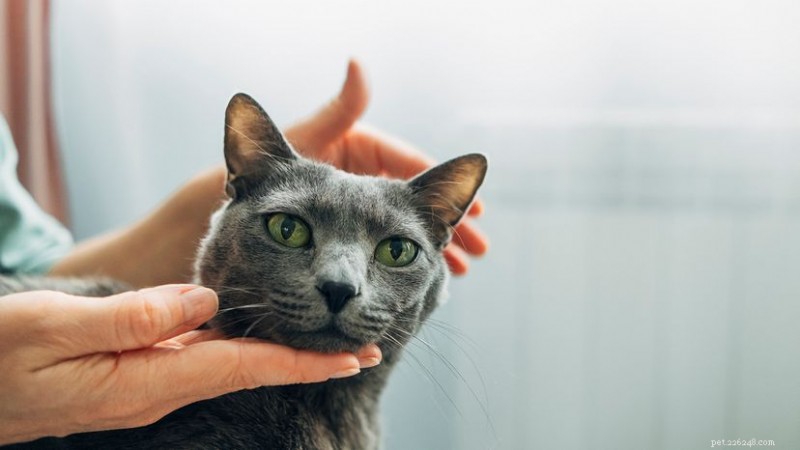
When you walk in and find a small, pungent stain on your wall, you might wonder: do female cats spray?
Yes. While spraying is often linked to intact males, female cats can and do spray under certain circumstances. Below we explain why this happens and what you can do to stop it.
Why Female Cats Spray
Urine spraying is a form of marking that allows cats to communicate territory, stress levels, and reproductive status. Unlike general urination, spraying involves a tiny, misted burst of urine aimed at a vertical surface, usually with the tail raised and twitching.
- Territorial marking: In multi‑cat households or outdoor environments, a cat may spray to claim space.
- Stress or anxiety: Changes in routine, new pets, or a busy environment can trigger spraying as a coping mechanism.
- Health issues: Anal gland problems, urinary tract infections, or other medical conditions can mimic spraying behavior.
- Sexual maturity: Intact cats often begin spraying when they reach sexual maturity.
- Environmental insecurity: New furniture, moving boxes, or competition for resources can provoke spraying.
Spraying vs. Inappropriate Peeing
The two behaviors are distinct. Inappropriate peeing usually involves a full squat and deposits urine on horizontal surfaces, while spraying is a targeted, low‑volume act aimed at a specific spot. Spraying also leaves a residual scent that signals “territory claimed” to other cats.
Can Spayed Cats Still Spray?
Spaying reduces hormonal drives that lead to marking, but it does not eliminate the behavior entirely. According to the Cornell Feline Health Center, stress, lack of mental stimulation, or the presence of other cats can still provoke spraying. Cats that developed a habit before surgery may continue to spray, and older cats with underlying medical problems may also do so.
How to Stop a Female Cat From Spraying
Preventing the problem starts with identifying the root cause. Here are evidence‑based steps:
- Rule out medical conditions with a veterinary check‑up.
- Clean sprayed areas with an enzymatic cleaner or diluted white vinegar to eliminate lingering scent.
- Provide ample mental stimulation—interactive toys, climbing structures, and regular play sessions.
- Maintain a stable environment; minimize changes, reduce conflicts with other pets, and keep the home tidy.
- Avoid punishment; negative reinforcement can heighten stress and worsen the behavior.
Professional guidance from peer‑reviewed studies and reputable resources such as Spruce Pets can offer additional, customized strategies.
Managing the Environment
Indoor cats thrive when they have space for exploration and rest. Ensure each cat has its own clean litter box, private sleeping areas, and safe escape routes. If a cat sprays near windows or doors, blocking the view or using calming diffusers can reduce perceived threats.
When to Seek Professional Help
If spraying persists after you have ruled out health issues, consider consulting a veterinary behaviorist. A specialist can conduct a behavioral assessment and recommend targeted interventions tailored to your cat’s specific needs.
Remember, spraying is a form of communication. Understanding your cat’s emotional state and environment can transform the issue from a nuisance into an opportunity for better bonding.
© 2026 HowStuffWorks. Article created with AI technology and fact‑checked by an editor.
- Pet Behavior
- Pet Breeds
- Pet Names
- Pet Adoption
- Pet Training
- Cat Stories
- Pet Health
- Adorable Pets
- Cats
- Top 12 Deadliest Animals Worldwide – 2022 Statistics & Surprising Facts
- California Pond Turtles: Winter Hibernation Explained
- Are Chicken Bones Safe for Cats? A Comprehensive Guide for Pet Owners
- Shelties vs. Collies: Key Differences & Breeding History
- Python Snakes: Size, Habitats, and Feeding Behaviors
- Professional Guide: Grooming Your Angora Rabbit for Health & Comfort
- Lilies Are Toxic to Cats: Essential Safety Tips