

Exercise Ideas to Keep Your Cat Active and Engaged
Keeping your cat active can be surprisingly rewarding—both for their health and for the bond you share. Unlike dogs, cats often prefer quiet, deliberate play, so choosing activities that tap into their natural instincts is key. Below are vetted, practical ways to move your feline companion safely and enjoyably.
Play Hide‑and‑Seek (Tag) Together
Hide‑and‑seek is a low‑impact way to stimulate your cat’s hunting instincts. Start by giving your cat a sly look before quietly retreating to a nearby hiding spot. When they locate you, they’ll naturally chase, burning energy and sharpening reflexes. If you have an outdoor space, add gentle obstacles—such as low platforms or lightweight tunnels—to create a simple obstacle course. Encourage climbing (cats love vertical play) and reward them with praise or a treat when they catch you. This shared pursuit boosts both fitness and trust.
Try Cat Yoga (Feline‑Friendly Stretching)
Cat yoga is an emerging trend that pairs human yoga poses with your cat’s natural flexibility. After a brief play session to release excess energy, sit calmly and adopt a pose like the lotus or cat stretch. Allow your cat to join you by mimicking their relaxed posture—often they’ll simply lie beside or on top of you. The session promotes mindfulness for you and relaxation for your cat. Afterward, give a gentle pet or a small treat to reinforce positive association.
Explore Caticross: Running With Your Cat
For the adventurous owner, caticross lets you run outdoors while your cat stays safely harnessed. Essential gear includes a lightweight harness, a sturdy leash, and a waist belt to secure the leash to your waist. Before starting, consult your veterinarian to ensure your cat’s health is suitable for running. Protect paws with a paw‑pad cream, keep your cat hydrated, and schedule runs during mild weather. Begin with short, slow jogs and gradually increase distance as both of you build stamina.
Stimulate Indoor Movement With Moving Objects
When outdoor play isn’t feasible, interactive toys can keep your cat engaged indoors. A remote‑controlled mouse or a feather on a wand provides a realistic prey chase. Move the toy slowly around the living space to encourage quick sprints and vertical jumps. Use these sessions as a playful workout for both of you.
Take Your Cat on a Hiking Adventure
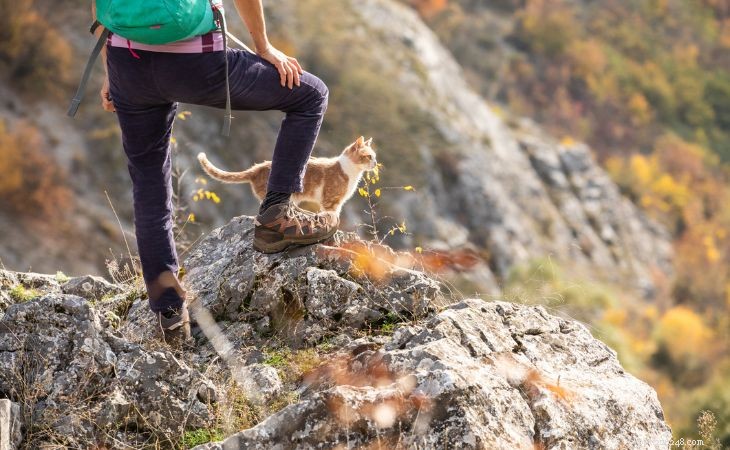
Hiking offers a safe, natural environment for your cat to explore. Pack a lightweight backpack with a secure cat carrier or a harnessed leash, and choose trails with low traffic. Keep runs at a comfortable pace, allowing your cat to walk or trot beside you. If you’re experienced in hiking, consider gentle climbs—ensuring the route is safe for a small animal. Always bring fresh water and a small snack to keep your cat hydrated and energized.
Set Up a Home Cat Agility Course
Cat agility mimics dog agility but is scaled for feline size and agility. Create a course with tunnels, hoops, small ramps, and lightweight barriers. Use toys—bells, feathers, or squeakers—placed at the end of each obstacle to motivate your cat. Begin with one obstacle, rewarding success, and progressively add more as confidence grows. This activity boosts flexibility, muscle tone, and provides a fun, interactive challenge.
Remember: always monitor your cat’s behavior and consult your vet before starting a new exercise routine. Consistency, patience, and positive reinforcement are the keys to a healthy, active feline companion.
- Pet Behavior
- Pet Breeds
- Pet Names
- Pet Adoption
- Pet Training
- Cat Stories
- Pet Health
- Adorable Pets
- Cats
- 5 Fascinating Facts About Quaker Parrots
- New Study Confirms Breeding Populations of African Rock Pythons in Southern Florida
- Effective Home Care Tips for Cats Experiencing Hearing or Vision Loss
- Dog Scabs Explained: Types, Causes, and Effective Treatments
- Baby Ducks' Diet: What They Eat in the Wild and as Pets
- Cat Overgrooming Explained: Causes, Symptoms, and Practical Solutions
- Gently Welcoming a New Cat: Stress‑Free Integration Tips