

Understanding and Managing Cat Wall‑Scratching: Causes, Prevention, and Care
Wall‑scratching is a common and instinctive behavior among cats, from Maine Coons to Peterbalds and every breed in between. It serves essential purposes—marking territory, maintaining claws, stretching muscles, and relieving stress. By understanding the why, you can provide healthy outlets that protect your walls and keep your feline friend happy and healthy.
If you’ve noticed your cat clawing at walls, read on for a clear explanation of the behavior and practical, vet‑approved strategies to redirect it.
Why Cats Scratch Walls
Cats scratch for a range of natural reasons:
- Territorial marking: Scent glands in their paw pads release pheromones when they scratch, letting other cats know the area is claimed.
- Claw maintenance: Scratching removes the outer nail sheath, keeping claws sharp and healthy.
- Physical stretch: The motion flexes muscles and toes, promoting flexibility and circulation.
- Stress relief: It’s a self‑soothing activity that can help reduce anxiety and curb boredom.
Recognizing these drivers helps you address the root cause rather than simply scolding your cat.

Talk to a vet at Dutch Talk about the best ways to manage your cat’s scratching.
- 24/7 care from top‑rated vets
- Unlimited vet calls & messaging
How to Stop Cats from Scratching Walls
While scratching is natural, it becomes problematic when it damages walls or furniture. Follow these evidence‑based steps to steer your cat toward appropriate outlets.
1. Provide Dedicated Scratching Posts and Pads
Offer a variety of posts—tall, stable, and textured—to match your cat’s preferences. Horizontal and vertical options, along with different materials (carpet, sisal, cardboard), give your cat choices and reduce wall‑scratching.
2. Encourage and Reward Desired Behavior
Positive reinforcement works as effectively on cats as on dogs. Praise and treat your cat whenever they use a post. Incorporate play, catnip, or interactive toys to make the post a rewarding destination.
3. Use Deterrents on Problem Areas
Apply double‑sided tape, aluminum foil, or pet‑safe plastic sheeting to walls where scratching occurs. The uncomfortable texture deters cats without harming them.
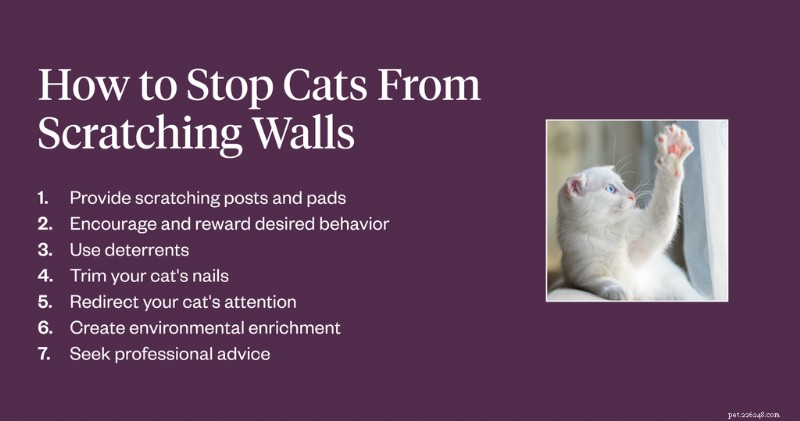
4. Trim Your Cat’s Nails Regularly
Regular trimming keeps claws short and reduces wall damage. Use cat‑specific clippers, avoid cutting the quick, and seek guidance from a vet or groomer if unsure.
5. Redirect Attention Promptly
When you see your cat beginning to scratch a wall, gently guide them to a post with a toy or treat. Consistent redirection reinforces the preferred behavior.
6. Enrich the Environment
Prevent boredom and frustration by offering interactive toys, puzzle feeders, climbing structures, and rotating play items. A mentally stimulated cat is less likely to resort to destructive scratching.
7. Seek Professional Guidance
If wall‑scratching persists despite these measures, consult a veterinarian. Persistent scratching can signal underlying health issues or anxiety that may require a tailored behavior plan.
Persistent pain or discomfort during scratching warrants immediate veterinary evaluation. Unexplained weight loss, lethargy, or changes in appetite can also indicate medical concerns.
Veterinarians can identify health or behavioral problems and recommend specific interventions—such as medication, therapy, or environmental adjustments—to resolve the issue.

Finding the Right Solution for Your Cat’s Scratching
Providing appropriate scratching options, rewarding good habits, and using safe deterrents are foundational steps. If these don’t fully solve the problem, professional veterinary advice—such as through Dutch Talk’s telemedicine platform—offers convenient, expert support from home. Coupled with free prescription delivery from their online pet pharmacy, you can keep your cat healthy and your walls intact.
Talk to a vet at Dutch Talk about the best ways to manage your cat’s scratching.
- 24/7 care from top‑rated vets
- Unlimited vet calls & messaging
- Pet Behavior
- Pet Breeds
- Pet Names
- Pet Adoption
- Pet Training
- Cat Stories
- Pet Health
- Adorable Pets
- Cats
- Keep Your Cat Safe: Proven Tips to Stop Cats from Chewing Electrical Cords
- Understanding Why Your Cat's Poop Smells Bad – Causes & Solutions
- Mastering Positive Reinforcement: Essential Do's and Don'ts for Effective Dog Training
- Top 15 Rabbit Toys: DIY & Store-Bought Picks for Playful, Healthy Bunnies
- Meet Mr. Shelby: Belgium’s Adorable Ragdoll Kitten of the Month
- Dog Lipomas Uncovered: Common Causes, Symptoms & Care Tips
- Why Is My Cat Not Playing? Identify Causes & How to Help