

Feline Hyperesthesia Syndrome (Twitchy Cat Disease): A Holistic Healing Guide
This post contains affiliate links. I receive compensation if you purchase through my links.
Does your cat suddenly bite or lick its tail, ripple its skin, or act as if invisible insects are attacking? That’s often a sign of Feline Hyperesthesia Syndrome (FHS), also called Twitchy Cat Disease or Rippling Skin Syndrome. It’s a distressing condition, but there are natural ways to help.
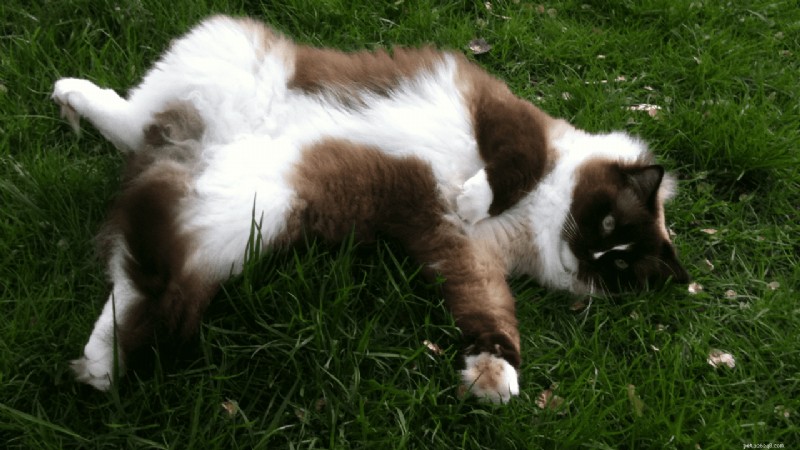
In 2021 my 12‑year‑old Ragdoll, Charlie, experienced severe episodes that kept him awake for weeks. Conventional vets prescribed heavy sedation, but a holistic detox protocol eventually restored his quality of life. This guide blends clinical facts with that holistic approach, offering options for anyone looking beyond Gabapentin.
We need to educate veterinarians about why this happens.
What Is Feline Hyperesthesia Syndrome?
FHS is a neurological disorder that makes a cat’s skin—especially along the lower back and tail—extremely sensitive. It is also referred to as rippling skin syndrome, neuritis, atypical neurodermatitis, or “twitchy cat disease.”
Recognizing the Signs
Episodes are brief (seconds to minutes) but can be dramatic. Common symptoms include:
- Skin rippling or twitching along the dorsolumbar area.
- Sudden, frantic grooming of the back, tail, or hindquarters.
- “Frantic run” – a rapid dash across the room after an episode.
- Dilated pupils that appear glassy.
- Touch sensitivity – petting the back can trigger an episode.
Is It Painful?
The intense nerve firing suggests significant discomfort. Cats may vocalize, bite themselves, or appear startled, indicating pain.
Natural Support: Full‑Spectrum CBD
Many owners use high‑quality, full‑spectrum CBD oil formulated for cats to calm over‑active nerves. Look for products that are THC‑free, have a Certificate of Analysis, and are specifically dosed for felines.
- Helps manage hyper‑sensitivity and twitching episodes.
- Non‑psychoactive and safe for daily use.
- Reduces anxiety that often accompanies spikes.
Check price & availability →
Life Expectancy
FHS is not fatal. Cats can live a normal lifespan; the condition mainly affects quality of life.
Getting a Diagnosis: Rule‑Out Process
There is no single blood test for FHS, so veterinarians perform a diagnosis of exclusion. Common conditions to rule out include:
- Flea allergy dermatitis.
- Neurological disorders such as spinal arthritis, seizures, or brain tumors.
- Dermatologic issues (fungal infections, food allergies).
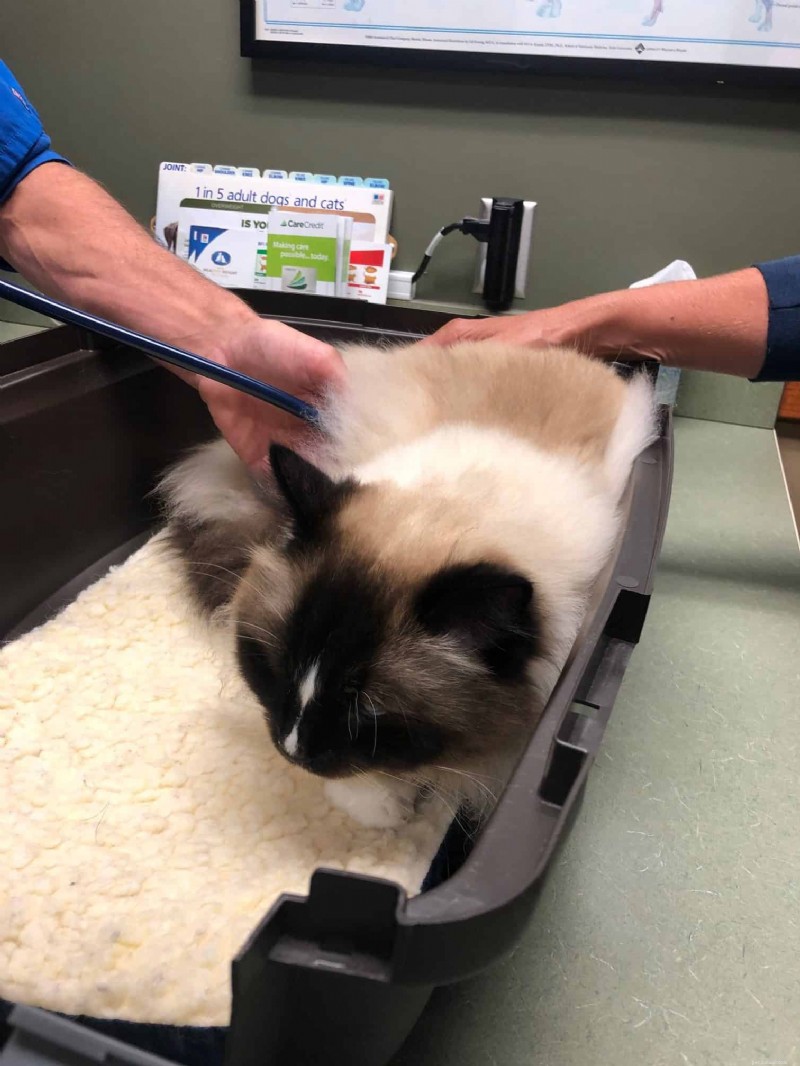
Pro tip: Record a short video of an episode and share it with your vet or a FHS support group. Visual evidence is often the most helpful diagnostic clue.
Clinical Signs
Beyond skin rippling, cats may display:
- Intense, targeted grooming of the tail or back.
- Sudden fixation on the tail, including chasing or attacking it.
- Hallucination‑like behavior and vocalization.
- Changes in temperament—affectionate cats become aggressive, and vice‑versa.
Insidious Onset
FHS often develops gradually, making early signs easy to miss. Review your cat’s behavior over the past few months to spot subtle changes.
Pathophysiology: Current Theories
Veterinarians propose several mechanisms:
- Serotonin deficiency – may trigger compulsive grooming.
- Elevated opiates – could create a rewarding sensation that reinforces the behavior.
- Increased dopamine – linked to heightened compulsive activity.
- Some experts view FHS as a form of focal seizure activity.
- Others suspect a toxic overload from vaccines, flea products, household chemicals, and diet.
Can FHS Be Cured?
There is no permanent cure, but the condition is highly manageable through a holistic approach that targets root causes—detoxification, gut healing, stress reduction, and environmental modification.
Holistic View: Toxicity and Imbalance
From a holistic perspective, FHS often results from a cumulative “total load” of toxins, stressors, and dietary imbalances. Dr. Richard Pitcairn, a veterinary homeopath, links FHS to vaccinosis (vaccine‑induced toxicity).
Common toxin sources include:
- Flea treatments and vaccines.
- Processed kibble (high‑heat AGEs, corn, wheat, soy).
- Food additives, glyphosate residues, heavy metals.
- Scented household products, flame‑retardant foams, cleaning chemicals.
- Human lotions, perfumes, and airborne pollutants.
Reducing this load is the first step toward calming the nervous system.
Master Checklist of Potential Triggers
- Diet & Gut: Avoid high‑carb kibble, artificial additives, and contaminated water.
- Home Environment: Eliminate scented candles, plug‑in air fresheners, synthetic pet beds, and harsh cleaners.
- Human Contact: Skip scented lotions and hair products before handling your cat.
- Medical & Parasites: Use non‑chemical flea control, review recent vaccines, and address dental or joint pain.
- Stress & Sensory: Reduce static electricity, limit EMF exposure, maintain a predictable routine.
Start a “Detox Diary”: pick one category each week, replace the trigger, and observe any improvement.
Resources & Podcasts
FHS Holistic Expert Interviews – deep‑dive videos with holistic veterinarians.
The FHS Masterclass with Julie Anne Lee – discusses gut‑brain connection, environmental triggers, and homeopathic solutions.

- “Duct Tape” analogy: drugs mask symptoms but don’t fix the leak.
- Gut‑brain axis is the primary communication pathway.
- Even “natural” laundry pods or whisker fatigue can tip the toxin bucket.
- Homeopathy (Arnica, Aconite) and species‑specific probiotics restore balance.
Using CBD for FHS Support
High‑quality, full‑spectrum CBD oil provides an “entourage effect” that calms nerves and reduces inflammation. Choose a brand that offers batch COAs and guarantees zero THC.
- Full spectrum vs. isolate – full spectrum is more effective.
- Safety: ensure the product is free of heavy metals and pesticides.
- Potency: match the label claim with the COA for accurate dosing.
Shop CBD Dog Health →
Professional Help
Pam Rousell of Purrrfectly Holistic guided my cat through a comprehensive detox, gut repair, and environmental overhaul. Her “Optimal Cat Health Analysis” identified the specific triggers for Charlie.

Treatment & Management Strategies
Conventional Medications
- Gabapentin – nerve pain and calming.
- Fluoxetine or Clomipramine – anxiety and compulsive behavior.
- Anti‑seizure drugs if focal seizures are suspected.
Holistic Six‑Step Protocol
- Nourish – ensure adequate, species‑appropriate nutrition.
- Detox – remove chemical and vaccine load.
- Gut Repair – address leaky gut with probiotics, pre‑biotics, and gut‑soothing herbs.
- Immune Support – strengthen immunity via gut health.
- Diet Modification – switch to a novel‑protein, raw or cooked diet free of common allergens.
- Home Modification – eliminate scented products, flame‑retardant foams, and other environmental toxins.
Products often recommended (under specialist guidance) include Newton’s Detoxifier, Animal Essentials Liver Defense, Adored Beast Liver Tonic, and Thuja Occidentalis for vaccine‑related reactions.
Creating a Calm Home
- Scheduled play sessions with wand toys.
- Vertical space and safe hiding spots.
- Consistent feeding and routine.
- Feliway diffusers for pheromone calming.
Avoid petting during an episode. Instead, distract with a soft toy or gentle sound from a distance.
Recommended Products
Adored Beast – Felix’s Flora: feline‑specific probiotic supporting gut‑brain health.
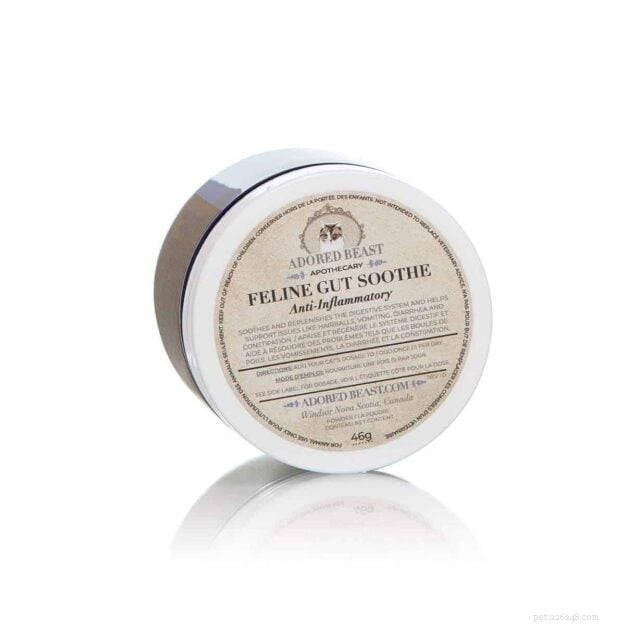
Adored Beast – Feline Gut Soothe: pre‑ and probiotic blend with anti‑inflammatory herbs.
Additional Therapies
- Red/green light therapy.
- Chiropractic adjustments and cold‑laser therapy.
- Grounding (allowing the cat to spend time outdoors).
- Acupuncture (shown to reduce episodes).
- Thundershirt or calming vests.
FAQs
What triggers hyperesthesia?
Common triggers include vaccines, flea medications, scented household products, diet allergens, stress, and underlying neurological imbalances.
Is FHS painful?
Yes. The nerve hyper‑activity can cause real discomfort, especially when the skin is touched.
Which breeds are most affected?
Siamese, Burmese, Persian, and Abyssinian cats have a higher reported incidence, though any breed can develop FHS.
Can FHS be cured?
There is no permanent cure, but a comprehensive holistic program can eliminate triggers and dramatically reduce episodes.
How can I help my cat at home?
Focus on a low‑toxicity diet, detoxify the environment, use high‑quality CBD or probiotics, and provide consistent enrichment.
What should I feed a cat with FHS?
Choose a species‑appropriate, minimally processed diet—raw or cooked meat‑based meals without artificial additives, grains, or common allergens.
- Pet Behavior
- Pet Breeds
- Pet Names
- Pet Adoption
- Pet Training
- Cat Stories
- Pet Health
- Adorable Pets
- Cats
- Heavy Breathing in Hamsters: Common Causes & Quick Solutions
- Why Your Dog Fears the Vet and How to Help
- Essential Guide to Caring for Duncan Coral (Duncanopsammia axifuga)
- PetSmart Cat Vaccination Costs Explained
- Safe & Stress-Free Ways to Secure Your Dog While Driving
- Dog Itching Explained: Causes, Symptoms & Proven Relief
- Do Tarantulas Require Light? Key Insights for Care