

How Often Should You Take Your Cat to the Vet?
Short answer: Healthy adult cats need at least one wellness exam per year, and many veterinarians recommend two. Kittens require visits every 3–4 weeks until they are about four months old for their vaccine series. Senior cats typically move to twice‑yearly exams. Because cats are experts at hiding illness, a regular schedule is far more reliable than waiting for obvious symptoms.
Cats are often praised for their independence – they don’t need walks, they groom themselves, and many are content to stay alone for a day. That independence can create the mistaken belief that they need less medical care than dogs. In reality, a cat’s instinct to conceal pain means a health problem can develop for months before a owner notices any sign.
This guide explains the typical veterinary schedule for each life stage, what happens during a visit, and the warning signs that should prompt an earlier appointment.
The Importance of Regular Veterinary Care

Annual or bi‑annual wellness exams help catch disease early, before serious symptoms appear, and give owners a chance to discuss concerns directly with the veterinarian. Early detection can extend a cat’s life and reduce long‑term treatment costs. For example, a routine fecal exam can reveal hidden worms that would otherwise go unnoticed.
Kittens: Vaccines and Growth Checks
The first vet visit usually occurs at 6–8 weeks of age, followed by appointments every 3–4 weeks until about 16 weeks. This schedule is driven primarily by the core vaccine series (FVRCP and rabies), which must be given in a series to achieve full protection.
During these visits the vet will also:
- Test for FeLV and FIV, even in kittens from reputable sources.
- Deworm and screen for other internal parasites.
- Perform a physical exam to monitor growth and detect any early abnormalities.
By 5–6 months most kittens are ready to discuss spaying or neutering. Our full kitten‑care guide covers feeding, socialization, and the rest of the first year in detail.
Adult Cats: One to Two Exams Per Year
Once a cat reaches about one year of age, it is considered an adult. The standard recommendation is an annual wellness exam, though many vets suggest a semi‑annual exam for cats with higher risk factors (e.g., outdoor access, chronic conditions).
A typical adult exam includes:
- Weight and body‑condition assessment.
- Dental check of teeth and gums.
- Review of vaccine boosters that may be due.
- Parasite screening.
- Baseline blood work (kidney, liver, and glucose). Early changes in these values can appear years before clinical signs.
Senior Cats: Semi‑Annual Visits Are the Norm

From around seven years of age, cats become more prone to kidney disease, hyperthyroidism, arthritis, and other age‑related conditions. Most veterinarians move seniors to exams every six months, adding more diagnostics such as:
- Comprehensive blood work (kidney, liver, thyroid).
- Urinalysis.
- Blood‑pressure measurement.
The goal is to catch problems while they are still manageable, not because senior cats are fragile.
Cats with Chronic Health Conditions
For cats already diagnosed with kidney disease, hyperthyroidism, diabetes, or similar conditions, the generic schedule above may not apply. Monitoring frequency is tailored to the specific disease and the cat’s response to treatment, often requiring more frequent visits or lab work.
What Happens During a Physical Examination?
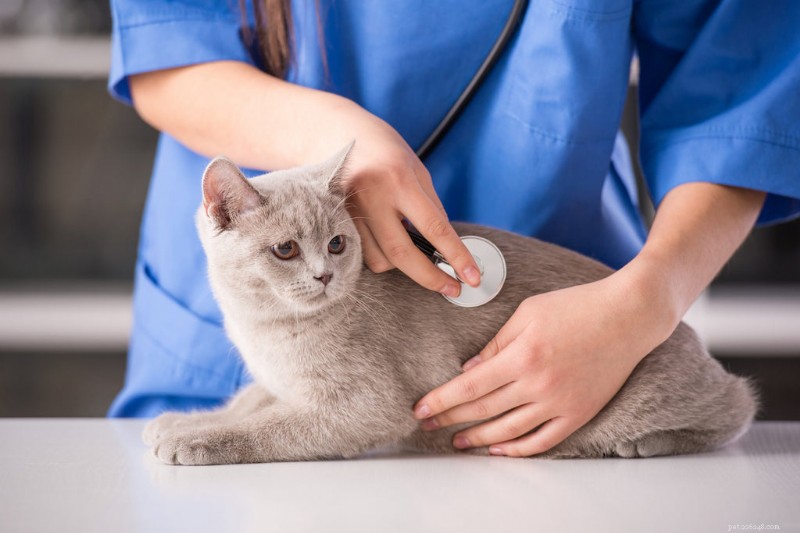
The veterinarian will perform a systematic exam, checking ears, eyes, mouth, skin, abdomen, and musculoskeletal system. If you have a specific concern (e.g., a limp), the vet will focus on that area.
Routine Testing
Blood work, urinalysis, and fecal exams are standard parts of a wellness visit. These tests can reveal hidden diseases long before a cat shows outward signs.
Vaccinations
After the exam, any needed boosters are administered. The vet will discuss which core vaccines are appropriate; owners ultimately decide which to pursue.
Do Indoor‑Only Cats Need All Vaccines?
Yes. Even cats that live exclusively indoors can be exposed unexpectedly—through escapes, boarding, veterinary visits, or when new cats join the household. Core vaccines protect against common, potentially fatal diseases, and rabies vaccination is legally required in most jurisdictions.
It’s Been Over a Year Since Your Cat’s Last Check‑up—Is That a Problem?
You're not alone; many owners fall behind. However, a year is ample time for a silent condition to develop. Schedule a wellness exam, share any changes you’ve observed, and let the veterinarian guide the next steps.
When to Seek Emergency Veterinary Care
Contact your vet promptly for any of the following:
- Not eating for more than 24 hours.
- Persistent vomiting or diarrhea.
- Sudden, severe behavioral changes or excessive hiding.
- Changes in litter‑box habits or excessive drinking.
True emergencies include urinary blockage (especially in male cats), difficulty breathing, collapse, repeated vomiting, suspected trauma, or ingestion of a toxic substance. When in doubt, call the clinic.
Additional Home Care Routines
Grooming
Regular brushing reduces hairballs and prevents painful matting. Trim nails routinely to avoid overgrowth and snagging. Check ears for signs of infection; while ear problems are less common in cats than dogs, they can be painful.
Dental Care
Dental disease affects 50‑90 % of cats over four years of age. Brushing your cat’s teeth with a cat‑specific toothbrush and toothpaste can dramatically lower plaque buildup and prevent gum disease.
Parasite Control
Even indoor cats can acquire fleas, ticks, and internal parasites. Monthly preventatives (topical or oral) protect against ectoparasites, while heartworm preventatives may be recommended based on risk. Your vet will advise the best regimen.

Cost of a Veterinary Visit
Routine wellness exams typically range from $50 to a few hundred dollars, depending on location, testing, and vaccines. Emergency visits are considerably more expensive, especially if hospitalization, imaging, or surgery is required. Planning ahead with a pet‑insurance policy or virtual‑care options can help manage costs.
Where Telehealth Fits In
Video consultations can handle prescription refills, behavior questions, symptom triage, and follow‑up on chronic conditions—great for cats that dislike carriers. They cannot replace hands‑on care such as vaccinations, dental cleanings, imaging, or true emergencies.
Making Vet Visits Easier
Staying on a regular schedule is the simplest way to protect your cat’s long‑term health. Between visits, virtual veterinary services can answer questions, adjust medications, and guide you on next steps—often the same day and without a carrier.
Try Dutch Vet today to see what a personalized schedule looks like for your cat.
This article provides general information and does not replace advice from your cat’s veterinarian, who can tailor a schedule to your pet’s specific age, health, and breed.
- Pet Behavior
- Pet Breeds
- Pet Names
- Pet Adoption
- Pet Training
- Cat Stories
- Pet Health
- Adorable Pets
- Cats
- Spinone Italiano: Classic Italian Hunting Dog – Breed Profile
- Why Dogs and Cats Can't Share the Same Food: Nutritional Differences Explained
- Kennel Cough in Dogs: Symptoms, Prevention & Treatment Guide
- Effective Heartworm Treatment for Dogs: A Comprehensive Guide
- How to Create an Enriching Home for Your Cat
- Poodle Sizes Explained: How to Choose the Perfect Match
- Keep Your Pet Warm and Healthy This Winter: Essential Care Tips