

Cat X‑Rays Explained: What You Must Know
How Is Cat X Ray Done?
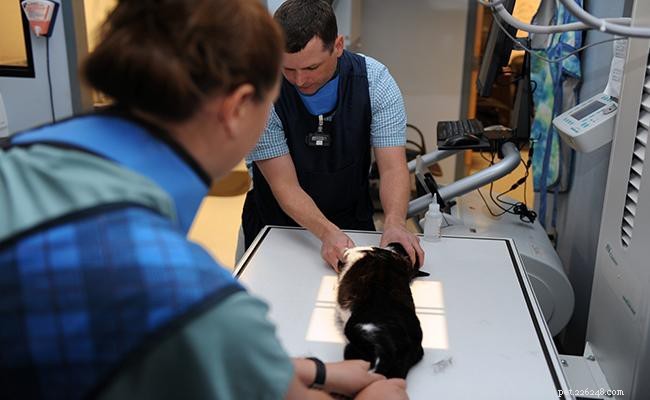
For starters, cat X-rays are similar to human X-rays, used to view bone fractures, dental work. During the procedure, an x-ray machine directs x-ray beam through a specific area of a cat’s body and onto a film, creating a picture.
The cat must be still during x rays and the technician performing the procedure will position her so that the x-ray beam will travel through the part of the body of interest.
Will your cat need sedation during an x-ray procedure?
It’s crucial that your pet remains immobile during her x-ray. Many times, cats can stay awake for x-rays because the cat x-ray doesn’t take too much time.
However, if the cat needs to be in a complicated position for the x-ray, or is aggressive or when she is painful due to injury, she might require anesthesia. The main indicators of aggression in our feline friends are the movements of the tail and ears.
Cat Tail X Ray
In tail injuries, X-ray for cat’s tail is little time to consume without sedation. They cover the remaining areas of the cat’s body with lead aprons to reduce the amount of exposed radiation.
Once your vet needs more information that will lead to a diagnosis, then x-rays sometimes need to be followed by another testing like fine needle aspiration, MRI, CT scan, or ultrasound to get more information and make a diagnosis.
However, sometimes x-ray is all that’s required, as in the case of many bone fractures, the presence of bladder or kidney stones and some intestinal obstructions.
Traditional vs. Digital Vet X-Rays
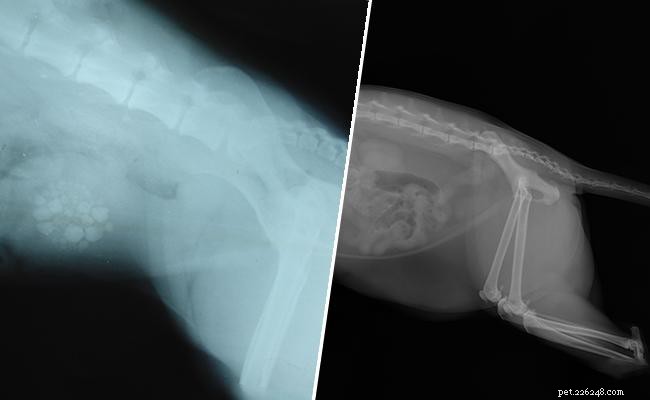
You may already be aware that many veterinarian facilities are now using digital X-ray technology, sometimes in addition to standard x-rays. Many vet facilities are now using digital X-ray technology.
The main difference between digital vs. traditional X-ray machines is that the former tend to produce much higher resolution and better quality of the images making it easier for the vet to make the more accurate diagnosis.
Not only that, you can email the images from a digital X-ray machine and share much more quickly and easily between other pet healthcare providers and veterinary team members.
Cat X Ray Cost – Will It Break My Wallet?
You will perhaps be wondering how much is x-ray for a cat with the soaring cost of medical procedures for humans.
Feline x-ray costs can vary depending on several factors:
- Location of the vet’s clinic (urban vs. rural areas)
- Type of x-ray
- Need for sedation (before the x-ray)
- Size of your cat
- x-rated Area of your cat’s body
X-rays are generally less expensive if you visit a local veterinarian or live in a small town. A cat x-ray probably won’t cost you as much as a vet in LA would charge, for instance. You can expect the cost to increase in large urban areas.
Simple dental x-rays are normally cheaper than a more general scan. If your kitty is unable to stay still and calm, your vet may suggest using sedation. Remember that the X-ray bill doesn’t cover all the other medical fees that can rack up.
This includes things like vet visit fees, sedation prior to the X-ray, medications, lab and blood work and the follow-up costs associated with any underlying health conditions discovered via the diagnostic imaging (MRI, CT scan, or ultrasound).
That’s why; saving some extra cash earmarked for out of the blue veterinary bills is a great idea for cat owners. Moreover, pet insurance can help water down any healthcare costs including vet x-ray costs.
Every vet has different prices. So, shop around and find a vet in your area who is reasonably priced, yet still well rated. You’ll feel much more comfortable with spending the money to help your cat out.
Just like us, Cats need proper medical attention too. X-rays are necessary to find out our cat’s real condition, accurately, to avoid any misdiagnosis. It’s better to be safe than feel sorry. Let’s think outside the wallet and not think of it as a burden. It may really help for beloved feline friends.
Is X-Rays Safe For My Cat?
Now that you know that about cat x-rays and that this is a form of radiation, you may be wondering if x-rays are safe for your cat.
Generally, with respect to veterinary X-ray technology, the broad animal medical community agrees that the benefits of using it far outweigh the potential risks associated.
It’s long been known that too much exposure to different types of radiation (Gamma rays, x-rays and even UVA and UVB rays from the sun) will be detrimental.
The veterinary-rays are done with levels of radiation that are relatively low and generally not excessive enough to cause any sort of health problem.

Cats With Down Syndrome – A 360 Degree Understanding
Cats With Down Syndrome Are Making A Huge Splash On The Social Media And Are Eliciting A Divided Reply From The Public. Can Cats Really Have Down Syndrome?Read More- Pet Behavior
- Pet Breeds
- Pet Names
- Pet Adoption
- Pet Training
- Cat Stories
- Pet Health
- Adorable Pets
- Cats
- Cat Grooming 101: Essential Tips for a Healthy, Beautiful Feline
- Cat Seizures Explained: Causes, Symptoms, and Treatment Guide
- Pancreatitis in Cats: What Every Owner Should Know
- Understanding Cat Conjunctivitis: Causes, Symptoms, and Effective Treatments
- Understanding and Managing Cat Hairballs: Prevention, Symptoms, and Treatment
- Essential Guide to Cat Vaccinations: Protect Your Feline’s Health
- Comprehensive Guide to Cat Worms: Prevention, Symptoms, and Treatment