

Essential Care Guide for Tuxedo Cats
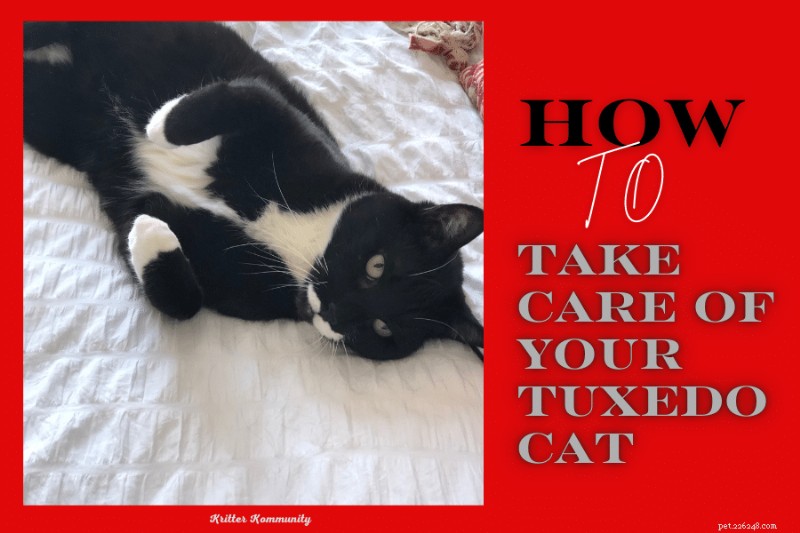
Hey there, fellow cat lovers! I’m super excited to chat with you today! This post is all about how to care for your tuxedo cat. 🐈⬛
Welcome to the world 🌍 of tuxedo cats! 🖤🤍 The domino-like purr engines that, from my experience, have very big personalities!
With their fancy black-and-white coats, they sport a pretty handsome display don’t you think?
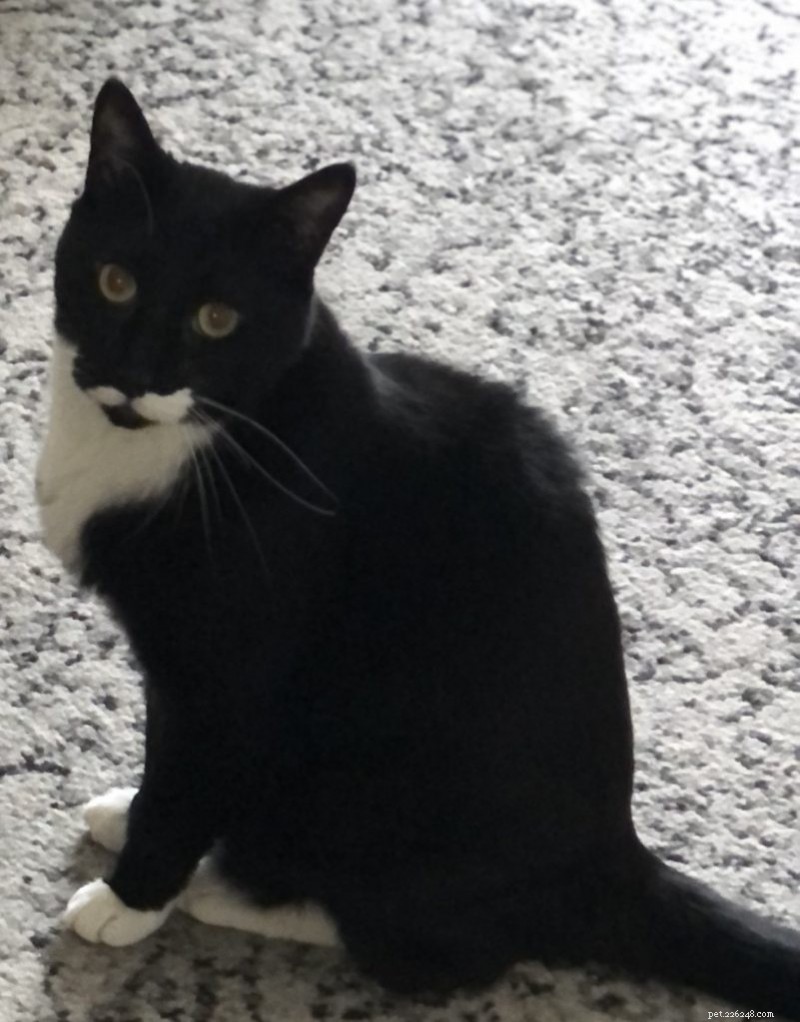
If you know me, you know I’m all about pets, especially those tuxedo and tabby cats!
My late tuxedo cat, Madison, was a total charmer, and everyone adored him. 🐱
😇 Though he’s no longer here, he definitely seems to channel some spirit through Finny.
And I can’t forget about my sweet tabby, Abigail, who was the sweetest girl ever! 👼
🪽🐈⬛ Both were FIV positive, but that didn’t stop them from living awesome lives.
Now, I have Finnegan, my curious little buddy with a touch of anxiety.

Managing his needs has made me pretty good at keeping our feline friends happy and healthy.
So, whether you’re an experienced cat parent or new to the tuxedo cat game, this guide will give you everything you need to make sure your furry friend lives a happy, healthy, and fulfilling life.
Come with me as I explore the world 🌎 of tuxy kitty cats 🐈⬛!
Understanding Tuxedo Cats
What Makes a Tuxedo Cat?
Tuxedo cats aren’t a specific breed but a distinctive color pattern in various breeds.
Their signature black and white coats resemble a formal tuxedo, making them look ready for a fancy event at any time! This striking appearance is due to a genetic trait that creates their unique bicolor pattern.
Unique Characteristics and Appearance
Aside from their dapper looks, tuxedo cats are known for their vibrant personalities. They’re often more social and affectionate than other cats, with a playful and curious nature that makes them a hit in any household. And let’s not forget those mesmerizing eyes that stand out against their dark fur – simply irresistible! 😻
Fun Facts About Tuxedo Cats
Did you know that some cultures believe tuxedo cats are magical? In ancient Egypt, they were considered to bring good luck.
And for the music lovers, Beethoven was said to have a fondness for these dapper kitties.
Now, that’s some high praise!
Creating a Comfortable Home Environment
Safe and Cozy Spaces
Your tuxedo cat deserves a space where they can relax and feel secure.
Please provide them with a cozy bed, preferably in a quiet corner, where they can retreat whenever they need some alone time.
Cats love to perch, so consider adding a cat tree or shelves to give them a view of their kingdom.
Essential Cat Furniture
Invest in quality cat furniture like scratching posts and climbing towers.
These not only satisfy your cat’s instincts but also keep them entertained. Scratching posts are essential to prevent your furniture from becoming their scratching zone.
Importance of a Scratching Post
Scratching is a natural behavior for cats – it helps them mark their territory, stretch their muscles, and keep their claws healthy.
Finnegan loves his corner couch scratcher, and so do I! 🛋️ It gives him the illusion that the couch is his to mark and scratch as much as he pleases. And he definitely does! 🐾
Make sure to place scratching posts in areas where your cat likes to scratch, and sprinkle a bit of catnip to make them even more appealing.
Nutrition for Tuxedo Cats
Choosing the Right Food
Nutrition is critical to your cat’s health.
I recently tried Tuft and Paw’s kitty cat food, rabbit flavor.
Finnegan loves it! 🐱🐾🐰
Choose high-quality cat food that provides all the essential nutrients.
Look for food with a good balance of protein, fats, and carbohydrates. Your vet can help recommend the best options based on your cat’s age, health, and activity level.
Feeding Schedule and Portions
Establish a regular feeding schedule to keep your cat’s digestive system in check.
Most cats do well with two meals a day.
Be mindful of portion sizes to prevent overeating, which can lead to obesity – a common issue in cats that can lead to other health problems.
Importance of Hydration
Cats often don’t drink enough water, so it’s crucial to encourage hydration.
Provide fresh water daily, and consider a cat water fountain to entice your feline friend to drink more.
Wet cat food can also help increase their water intake.
Grooming Your Tuxedo Cat
Brushing Techniques and Frequency
Regular brushing keeps your tuxedo cat‘s coat shiny and reduces shedding.
Use a soft-bristle brush or a grooming glove to remove loose hair gently.
For short-haired cats, once a week is usually enough, while long-haired varieties may need more frequent grooming.
Bathing Tips
Most cats are good at keeping themselves clean, but occasional baths might be necessary, especially if they get into something messy.
Use a gentle, cat-friendly shampoo, and make the experience as stress-free as possible.
Nail Trimming
Keeping your cat’s claws trimmed prevents them from becoming too sharp and causing injury.
Use special cat nail clippers and be cautious not to cut into the quick – the sensitive part of the nail. If you’re unsure, ask your vet or a professional groomer for a demonstration.
Health and Wellness
Regular Vet Visits
Routine veterinary check-ups are essential to monitor your cat’s health and catch any potential issues early.
Schedule at least one annual visit for a thorough examination, vaccinations, and dental check-up.
Vaccinations and Parasite Control
Keep your tuxedo cat protected from diseases by staying up-to-date with vaccinations.
Additionally, regular treatments for fleas, ticks, and worms are crucial to keep parasites at bay.
Common Health Issues in Tuxedo Cats
While tuxedo cats are generally healthy, they can be prone to certain conditions such as obesity, dental problems, and urinary tract issues.
Stay vigilant and consult your vet if you notice any changes in behavior, appetite, or litter box habits.
Exercise and Playtime
Importance of Physical Activity
Cats are natural hunters and need regular exercise to stay healthy and happy. Encourage your tuxedo cat to stay active with daily play sessions.
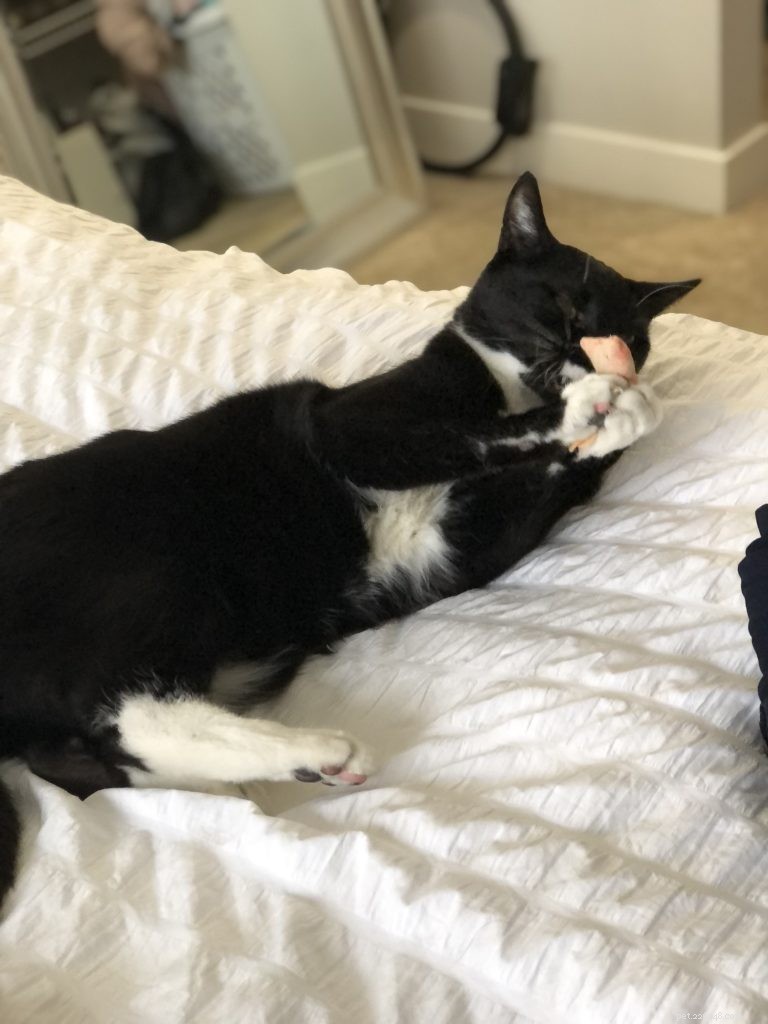
This not only helps maintain a healthy weight but also provides mental stimulation.
Fun Toys and Games
Invest in a variety of toys to keep your cat entertained.
There’s no shortage of fun options, from feather wands to laser pointers, rotating toys to interactive puzzle feeders.
Rotate toys regularly to keep things interesting.
Interactive Play Ideas
Engage your cat with interactive play to strengthen your bond.
Games like fetch, hide and seek, or chasing a toy on a string can provide hours of fun.
Training Your Tuxedo Cat (HA HA HA)
Basic Commands and Tricks
Believe it or not, cats can be trained!
Just not mine! 🐈⬛😅
‘They’ say to start with simple commands like “sit” or “come” using treats and positive reinforcement.
With patience and consistency, your tuxedo cat can learn a few tricks to impress your friends. Start them early or forget about it, is my experience! 🐈⬛🙌🥹
Litter Box Training
Most cats instinctively use a litter box, but it’s important to provide a clean, accessible one.
If you’re introducing a new kitten or dealing with litter box issues, be patient and try different types of litter and box placements.
Socialization Tips
Gradually expose your tuxedo cat to different environments, people, and other pets. Positive experiences during socialization help your cat become well-adjusted and less stressed in new situations.
Behavior and Communication
Understanding Cat Body Language
Cats communicate a lot through their body language. Learn to recognize signs of happiness, stress, fear, and aggression.
A relaxed cat with slow blinks and a gently swaying tail is content, while flattened ears and a puffed-up tail indicate fear or aggression.
Common Behavioral Issues
Behavioral problems like scratching furniture, aggression, or litter box avoidance can be frustrating.
Address these issues with patience and try to understand the underlying causes. Sometimes, changes in the environment or routine can help resolve these problems.
How to Address and Prevent Problems
Prevent behavioral issues by providing a stimulating environment, regular playtime, and positive reinforcement. If problems persist, consult with your vet or a cat behaviorist for tailored advice.
Safety Tips for Tuxedo Cats
Indoor vs. Outdoor Considerations
While some cat owners prefer to let their cats roam outdoors, indoor cats generally live longer and healthier lives.
If you allow outdoor access, ensure it’s a safe, enclosed area to protect your cat from traffic and predators.
Cat-Proofing Your Home
Make your home safe by removing potential hazards like toxic plants, small objects that can be swallowed, and unsecured cords.
Ensure windows and balconies are secure to prevent falls.
Emergency Preparedness
Be prepared for emergencies by having a plan in place. Keep a pet first aid kit, know the location of the nearest emergency vet, and have a carrier ready for quick evacuation if needed.
Bonding with Your Tuxedo Cat
Building Trust and Affection
Building a strong bond with your cat takes time and patience. Respect their space and allow them to approach you.
Use treats, gentle petting, and playtime to create positive associations.
Spending Quality Time Together
Make time every day to interact with your cat. Whether playing, grooming, or simply sitting together, these moments help strengthen your relationship.
Recognizing Your Cat’s Needs
Recognizing these symptoms and understanding their possible causes can help ensure your feline friend gets the care they need.
Pay attention to your cat’s behavior and body language to understand their needs and preferences.
Every cat is unique, so what works for one might not work for another.
Special Considerations for Tuxedo Cats
Age-Specific Care (Kittens, Adults, Seniors)
Caring for your tuxedo cat will change as they age. Kittens need more frequent feeding and playtime, adults require balanced nutrition and regular exercise, and seniors might need special diets and more frequent vet visits.
Adapting to Changes in Your Cat’s Life
Life changes like moving, new family members, or changes in routine can be stressful for cats. Introduce changes gradually and provide extra comfort and reassurance during these times.
Managing Stress and Anxiety
Cats can experience stress and anxiety, which can manifest in various ways, such as hiding, aggression, or changes in eating habits. Create a calm environment and consider pheromone diffusers or calming treats to help manage stress.
Creating a Routine
Daily, Weekly, and Monthly Care Tasks
Establish a care routine to keep your cat happy and healthy. Daily tasks include feeding, fresh water, and playtime. Weekly, groom your cat and clean the litter box. Monthly, check for any signs of health issues and deep clean their living area.
Benefits of a Consistent Routine
Cats thrive on routine. A consistent schedule helps reduce stress and makes your cat feel secure. It also makes it easier for you to manage their care and notice any changes in behavior or health
Adjusting Routines as Needed
Be flexible and adjust your routine based on your cat’s needs. As they age or if their health changes, their care requirements will evolve.
Traveling with Your Tuxedo Cat
Preparing for Trips
If you need to travel with your cat:
- Start by acclimating them to their carrier.
- Make the carrier a positive space with treats and familiar bedding.
- Plan your route and ensure you have everything your cat needs for the journey.
Tips for Stress-Free Travel
Keep travel stress to a minimum by ensuring your cat is comfortable in their carrier. Make frequent stops for bathroom breaks if traveling by car.
For longer trips, consult your vet about calming aids or medications.
Finding Cat-Friendly Accommodations
When traveling, research pet-friendly hotels or accommodations. Make sure the environment is safe and comfortable for your cat.
Bringing familiar items like their bed or toys can help them feel more at home.
I always bring Finn’s kitty cat playpen and set it up in the hotel room.
Putting his blanket with a few toys gives him some security and he chills in there when I am not in the room.
Have fun with your tuxy!
🐾 Lisa Illman is the Founder of Kritter Kommunity, LLC! 🏡 She’s got a dapper tuxedo cat who’s been her sidekick since he was a tiny furball. 🐱 Before Finnegan came along, Lisa cared for two FIV-positive cats for over ten years! 🌟 Their love inspired her to create a cat enclosure and a portable catio, giving kitties the purrfect spot to bask in the sun and feel the breeze. ☀️🌿
As a kid, Lisa shared her home with a Poodle and a chirpy parakeet! 🐩🐦


- Pet Behavior
- Pet Breeds
- Pet Names
- Pet Adoption
- Pet Training
- Cat Stories
- Pet Health
- Adorable Pets
- Cats
- Understanding Dog Bloat: Causes, Symptoms, and Prevention Tips
- Mastering Chinese Crested Dog Training: Expert Guidance for Gentle, Playful Owners
- Resolve Aggression: A Guide to Helping Two Dogs Coexist Peacefully
- How to Properly Care for Arowana: A Comprehensive Guide
- Is Hamster Food Safe for Hedgehogs? Expert Insights on Feeding Your Hedgehog
- Fresh Dog Food Delivery vs. Store‑Bought Kibble: A Cost Comparison for Budget‑Conscious Owners
- Keeping Your Dog Calm After Neutering: A Guide to Post‑Surgery Recovery