

Maine Coon Cats and Allergies: Are They Hypoallergenic?
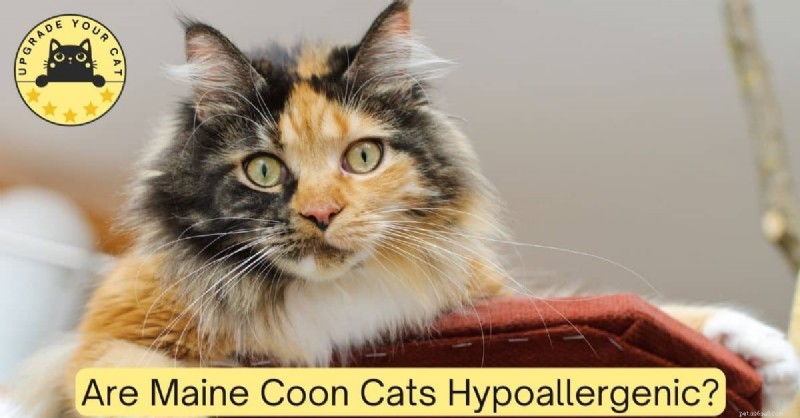
Maine Coons are among the most striking cats you’ll ever meet. Their impressive size, graceful movements, and plush coats make them beloved companions. However, for people with cat allergies, even the most charming breeds can be problematic. This guide explains what “hypoallergenic” means, whether Maine Coons fall into that category, and answers the most common questions from allergy sufferers.
What Does “Hypoallergenic” Mean?
The term refers to products, foods, or pets that produce minimal allergens. In cats, the primary allergens are dander, saliva, and urine. Dander consists of microscopic skin flakes and fur; saliva carries a protein called Fel d 1 that is the most potent allergen. When cats groom themselves, the saliva dries onto their fur and can easily disperse throughout a home.
Because Maine Coons have a dense, double‑layered coat, they shed more fur and carry more dander than many short‑haired breeds. Even though they are extremely clean animals, the sheer volume of shed material can amplify exposure for sensitive individuals.
Are Maine Coon Cats Hypoallergenic?
Unfortunately, the answer is no. Maine Coons are not hypoallergenic. Their thick, long fur and higher shedding tendency mean they generate more Fel d 1 protein and dander than many other breeds. For people with moderate to severe cat allergies, a Maine Coon can trigger symptoms as effectively—or even more so—than other long‑haired cats.

That said, not all Maine Coons shed identically. Some owners report minimal shedding in the first couple of years, only for shedding to increase later. The variability is largely genetic and environmental, so there’s no guarantee a particular kitten will remain “low‑shed.”
Key Facts About Maine Coon Allergies
• Allergen load: Maine Coons can produce up to 30% more dander than average cats. (Source: American College of Allergy, Asthma, and Immunology) • Shedding pattern: Wild Maine Coons have two seasonal sheddings—once in spring and once in fall—to discard winter and summer coats. Domestic cats shed year‑round, with heavier shedding in spring if they have retained a winter coat. • Impact on allergy sufferers: Roughly 20% of the U.S. population is allergic to cat dander, and 70% of pet owners report allergy symptoms when owning a cat.
How Allergenic Are Maine Coons?
They are highly allergenic. If you already react to other feline breeds, expect similar or stronger reactions with a Maine Coon. A small number of people can tolerate short‑haired breeds with less shedding, but this is less common with long‑haired cats.
Shedding Patterns of Maine Coons
Domestic Maine Coons shed continuously throughout the year. In climates with distinct seasons, you’ll likely see a noticeable increase in shedding during spring as they transition from winter to summer coats.
Can a Maine Coon Suit an Allergy Sufferer?
For most allergy sufferers, a Maine Coon is not the best choice. While some individuals can manage with rigorous cleaning, hand washing, and restricting pet contact, the effort often outweighs the benefits. If hypoallergenic pets are a priority, consider breeds such as the Siberian or Devon Rex, which consistently produce lower Fel d 1 levels.
Bottom Line
In short, Maine Coons are not hypoallergenic. If cat allergies are a deal‑breaker for you, you may want to explore other breeds or adopt a different type of pet. For those willing to commit to extra grooming and cleaning routines, a Maine Coon can still make a wonderful companion.
Finding a Maine Coon Breeder in the US
Reliable breeders can be found across the country. Check reputable listings in Florida, Kentucky, Arizona, Washington, Indiana, Tennessee, Massachusetts, Wisconsin, Missouri, Maryland, and Colorado.
Photo by Bob Commander on Unsplash
- Pet Behavior
- Pet Breeds
- Pet Names
- Pet Adoption
- Pet Training
- Cat Stories
- Pet Health
- Adorable Pets
- Cats
- 29 Pets That Truly Bring the Force to Life
- Do Dogs Experience Mood Swings? Understand Why and How to Help
- Why Hiring a Professional Pet Sitter Is Worth the Investment
- Force-Free Gundog Training: How Positive Reinforcement Can Transform Your Hunting Dog's Behavior
- Understanding Your Pet's Itchy Skin: Causes, Diagnosis, and Relief
- How to Determine Your Kitten's Sex: A Simple, Reliable Guide
- 299 Green Sea Turtles Perished at Cayman Turtle Farm – Evaluating Meat-Trade Practices for Conservation