

Cat Scabs: Types, Causes, and Effective Treatments
All featured products are selected by GreatPetCare’s editorial team; this does not represent a direct endorsement.
If you’ve ever scraped a knee, you’ve likely seen a scab form as dried blood clots to protect the wound. In cats, scabs serve the same purpose: they seal and shield the injured skin, helping it heal.
When a cat develops a scab, it can be confusing and worrisome. Below we explain the common types, causes, and how to manage and prevent them.
Types of Cat Scabs
Scabs in cats are usually firm, dry, and may appear scaly. Their size ranges from less than 1/8 inch to several inches, depending on the wound. Color can give clues about healing status:
- Red – Active bleeding has stopped.
- Yellow – Serous fluid indicates healthy healing.
- Green‑Yellow – Often associated with infection; may have a thick discharge.
- Brown – Red scabs that have aged.
Allergic cats, especially those with flea exposure, may develop miliary crusts—tiny (≈1 mm) brown bumps commonly found on the head or neck. They are usually not visible under the fur but can be felt as a fine texture.
Common Causes of Cat Scabs

Scabs can arise from a variety of conditions:
- Flea, food, or environmental allergies – Over‑reactive immune responses lead to inflammation and intense itching. Flea‑allergic cats frequently develop miliary crusts on the neck.
- Ear infections – Scratching can create abrasions behind the ears.
- Ringworm – Fungal infection produces circular, scaly crusts often on the face, ears, paws, or tail.
- Mite infestations – Mites burrow into the skin, causing localized inflammation.
- Immune‑mediated dermatoses (e.g., eosinophilic dermatitis, pemphigus foliaceus) – These conditions produce crusts across various body areas.
- Skin cancers (e.g., squamous cell carcinoma) – Tumor growth can create ulcerated, crusted lesions, typically on thin‑fur areas like the pinnae or nose bridge.
- Adverse drug reactions – Medications may trigger itching and inflammation leading to crust formation.
For flea allergies, consistent year‑round flea control is essential. A broad‑spectrum product such as NexGard COMBO kills adult fleas and interrupts their life cycle while also protecting against ticks, heartworms, and intestinal parasites.
Typical Locations of Cat Scabs and Their Implications
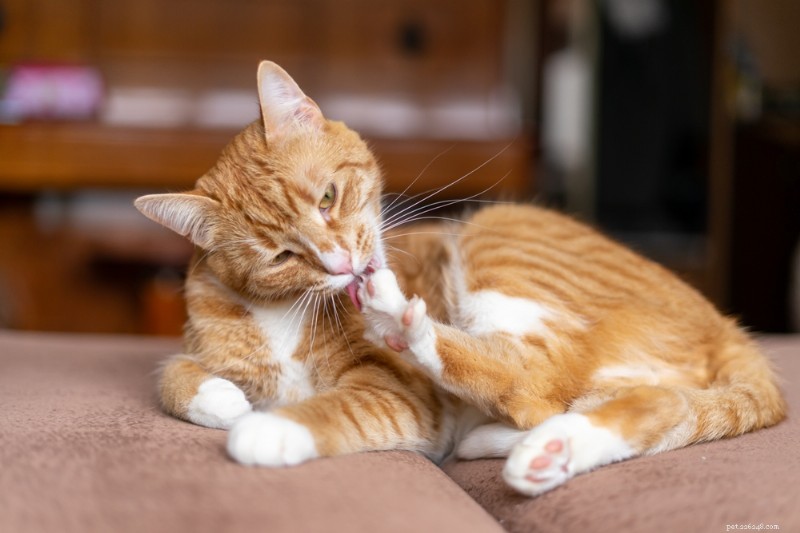
Location can provide hints but never a definitive diagnosis; a veterinary exam is always required. Common clues include:
- Ears – Ringworm, immune disease, or skin cancer.
- Behind or around ears – Ear infection.
- Nose – Ringworm, insect allergy, or skin cancer.
- Chin – General allergies.
- Neck – Flea allergy or other irritants.
- Back, sides, belly – Allergies, ringworm, or mite infestations.
- Paws – Ringworm or immune disease.
How to Treat Cat Scabs
Most scabs require veterinary care. While home measures like petroleum jelly can soften a crust, they do not address underlying causes and may be licked away by your cat.
Infections warrant veterinarian‑prescribed topical antibiotics and anti‑inflammatory ointments (often containing steroids). For allergic scabs, maintaining a flea‑free environment and using a suitable preventive—such as NexGard COMBO—reduces flare‑ups.
Medicated shampoos or mousses can be used for widespread or mild conditions; follow your vet’s instructions for application time and frequency.
When scabs recur, consider an elimination diet trial with a single‑protein formula for at least eight weeks to rule out food allergy. Your vet may also recommend specialized treatments: antifungals for ringworm, antiparasitic sprays for mites, or immunosuppressive drugs for immune‑mediated disorders.
Prevention Strategies

Preventing scabs starts with preventing the underlying causes:
- Keep fleas at bay with a year‑round preventive such as NexGard COMBO, which also covers ticks, heartworms, and intestinal parasites.
- Avoid prolonged sun exposure, especially for cats with thin or white fur, to reduce the risk of squamous cell carcinoma.
- If a food allergy is suspected, feed only the veterinarian‑recommended hypoallergenic diet and avoid treats or other foods.
- Regular veterinary check‑ups can identify early signs of skin disease, allergies, or parasites.
By combining diligent parasite control, proper nutrition, and routine vet visits, you can significantly lower the chances of scabs developing in your cat.
- Pet Behavior
- Pet Breeds
- Pet Names
- Pet Adoption
- Pet Training
- Cat Stories
- Pet Health
- Adorable Pets
- Cats
- Treating Cat Diarrhea: Quick Home Remedies & Vet Guidance
- Understanding Why Dogs Kick: Behavior, Health, and How to Respond
- Train Your Pet to Love Car Rides: Proven Tips for Cats & Dogs
- Secure Your Home: Essential Puppy-Proofing Tips for New Dog Owners
- Can Dogs Predict the Future? Exploring Their Anticipatory Abilities
- Understanding Puppy Vaccinations and Vaccine Titer Tests
- Natural Laxatives & Stool Softeners to Relieve Puppy Constipation