

Cat Eye Drops: Types, Uses, and Vet-Recommended Options
All featured products are chosen at the discretion of the GreatPetCare editorial team and do not reflect a direct endorsement by the author or reviewer.
Cat eyes are remarkable—bright irises, narrow slit pupils, and a striking reflective glow in low light. When inflammation strikes, the change is unmistakable.
When a veterinarian confirms eye inflammation, they may prescribe eye drops. This guide explains why cats need them, the conditions they treat, the categories of drops available, and how to use them safely and effectively.
Why Your Cat May Need Eye Drops
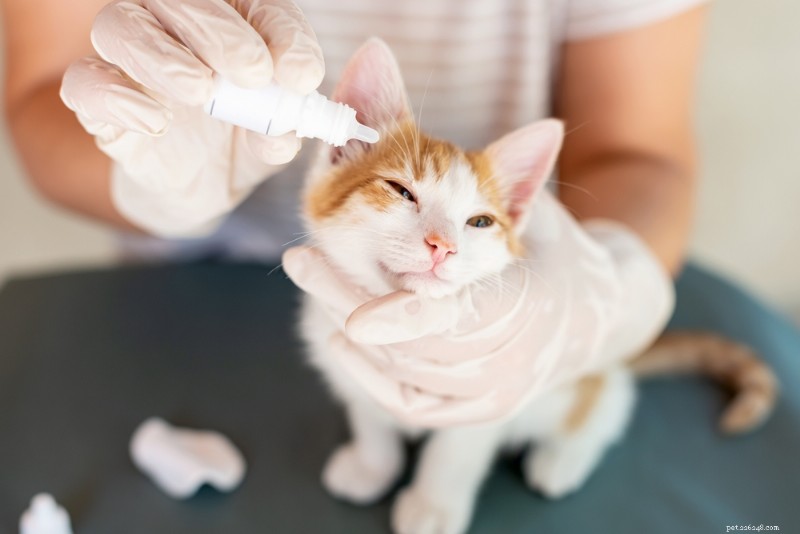
Veterinarians may prescribe drops for:
- Conjunctivitis
- Corneal ulcers
- Uveitis
- Keratitis
- Glaucoma
Below is a brief overview of each condition:
Conjunctivitis – Inflammation of the tissue beneath the eyelids, often presenting as swollen, pink or red eyes with watery or mucoid discharge. Common causes include feline herpesvirus‑1, feline calicivirus, and bacteria such as Chlamydophila felis or Mycoplasma spp. Allergic conjunctivitis is rare in cats.
Corneal ulcers – Damage to the cornea’s outer layer that can deepen if untreated, potentially rupturing the eye. Causes include viral infection, trauma, or eyelid malpositions that irritate the cornea.
Uveitis – Inflammation within the iris or surrounding structures, triggered by infection, immune-mediated disease, cancer, or trauma.
Keratitis – Corneal inflammation that can result from viruses, immune reactions, or chronic irritation such as eyelid abnormalities or dry eye (keratoconjunctivitis sicca).
Glaucoma – Elevated intra‑ocular pressure, typically secondary to conditions like uveitis, trauma, or lens displacement. It is painful and requires prompt treatment.
Categories of Cat Eye Drops
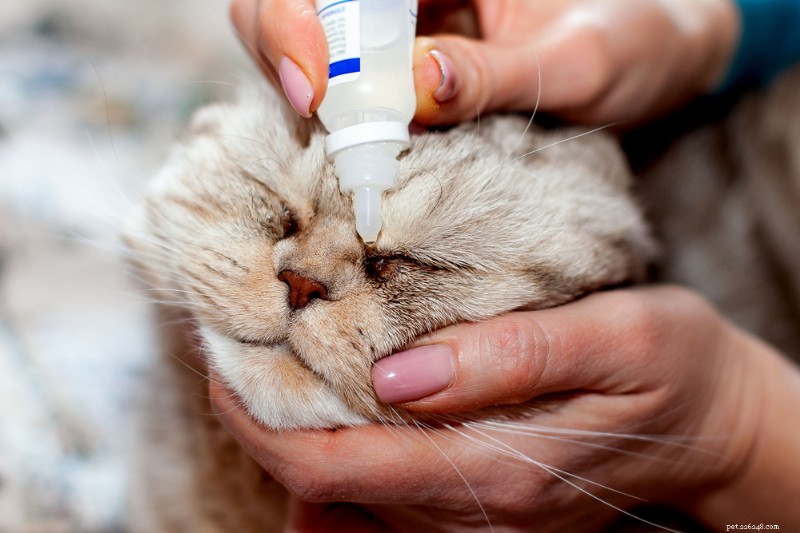
Most eye drops for cats are prescription medications, grouped as follows:
- Antibiotics
- Antivirals
- Lubricating drops
- Steroids
- Non‑steroidal anti‑inflammatories (NSAIDs)
- Immunosuppressants
- Carbonic anhydrase inhibitors
Key points for each category:
Antibiotics – Target bacterial pathogens inside cells; examples include fluoroquinolones, tetracyclines, and erythromycin.
Antivirals – Effective against feline herpesvirus‑1; no proven antiviral exists for feline calicivirus.
Lubricating drops – Preserve moisture for conditions like dry eye or eyelid malpositions; available over the counter.
Steroids – Provide potent anti‑inflammatory effects but should only be used when infections are ruled out; otherwise they can worsen bacterial or viral disease.
NSAIDs – Reduce inflammation and pain, suitable for uveitis or mild conjunctivitis; caution is needed with corneal ulcers.
Immunosuppressants – Employed for immune‑mediated ocular disease; not indicated for infectious eye conditions.
Carbonic anhydrase inhibitors – First‑line therapy for feline glaucoma; often paired with timolol, though the latter has limited benefit in cats.
7 Vet‑Recommended Eye Drops for Cats
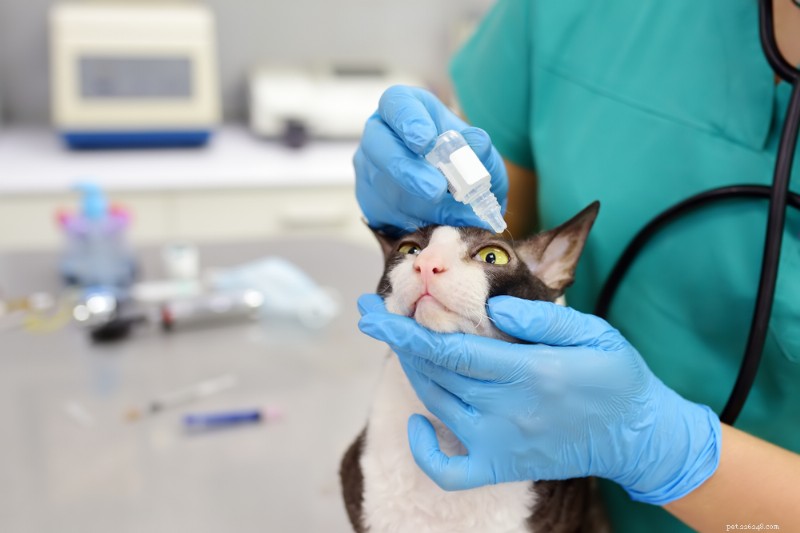
These drops are commonly prescribed across a range of ocular conditions. Always follow your veterinarian’s dosage schedule.
Ofloxacin Ophthalmic Solution
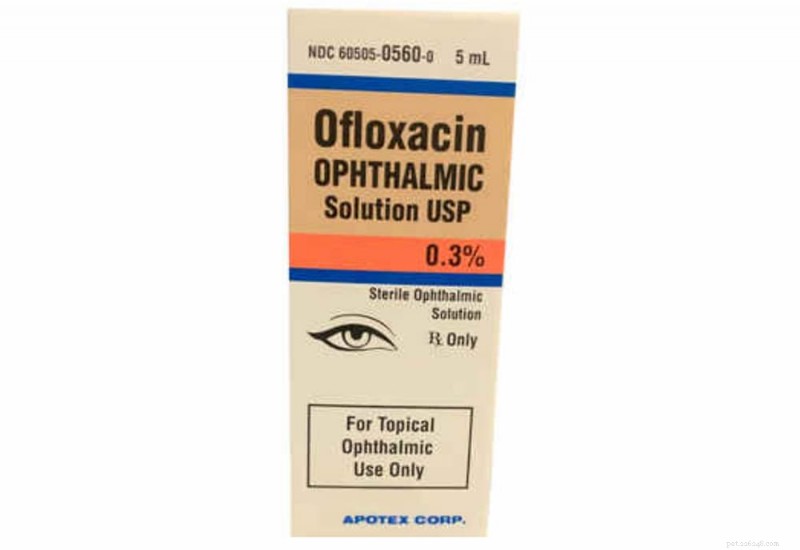
A fluoroquinolone antibiotic that effectively eradicates bacterial infections in conjunctivitis and corneal ulcers.
- Highly bactericidal for common feline ocular pathogens.
- Administer 4–6 times daily, as directed.
Cidofovir Ophthalmic Solution
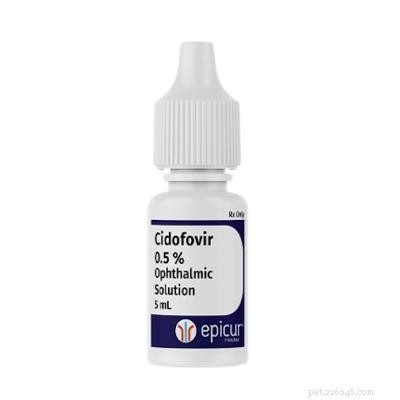
An antiviral that targets feline herpesvirus‑1, reducing the need for frequent dosing (twice daily). Note that it must be compounded, which can affect potency and shelf‑life.
- Twice‑daily application.
- Compounded formulation—consult your vet for details.
Artificial Tears Solution
Lubricating drops that soothe dry or irritated eyes. They do not treat underlying causes but improve comfort.
- Available OTC or via vet prescription.
- Use as needed, typically at least three times per day.
- No known side effects.
Dexamethasone Sodium Ophthalmic Solution
A steroid drop indicated for immune‑mediated inflammation such as eosinophilic keratitis.
- Rapid anti‑inflammatory action.
- Contraindicated in viral or bacterial infections; avoid in pregnant or lactating cats.
- Administer 4+ times daily, as advised.
Flurbiprofen Sodium Ophthalmic Solution
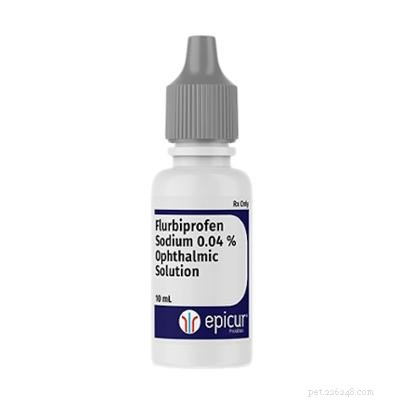
An NSAID drop that reduces inflammation and pain in uveitis and can be used for mild conjunctivitis.
- Effective with 2–4 doses per day.
- May sting on first application; avoid if corneal ulcers are present.
Cyclosporine Ophthalmic Suspension
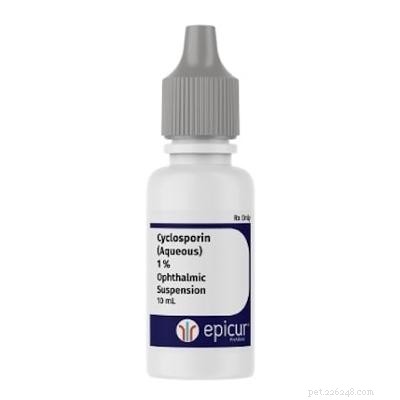
An immunosuppressant for immune‑mediated ocular disease.
- Apply 2–3 times daily.
- Not for infectious conditions; side effects can include redness and tearing.
- Response may take days to weeks.
Dorzolamide Ophthalmic Solution
A carbonic anhydrase inhibitor, the gold‑standard treatment for feline glaucoma.
- Use 3 times daily.
- May sting initially; avoid in cats with advanced renal disease.
- Often combined with timolol, which has limited benefit and potential cardiopulmonary effects in cats.
- Allergic reactions occur in up to 10% of patients.
How to Use Cat Eye Drops
Prepare before application:
- Wash hands with soap and water.
- Gather lukewarm moist washcloth, eye drops, a fluffy towel or blanket, and a favorite treat.
Administering multiple medications requires spacing: give each drop at least 5 minutes apart, dropping first and ointment last.
Procedure:
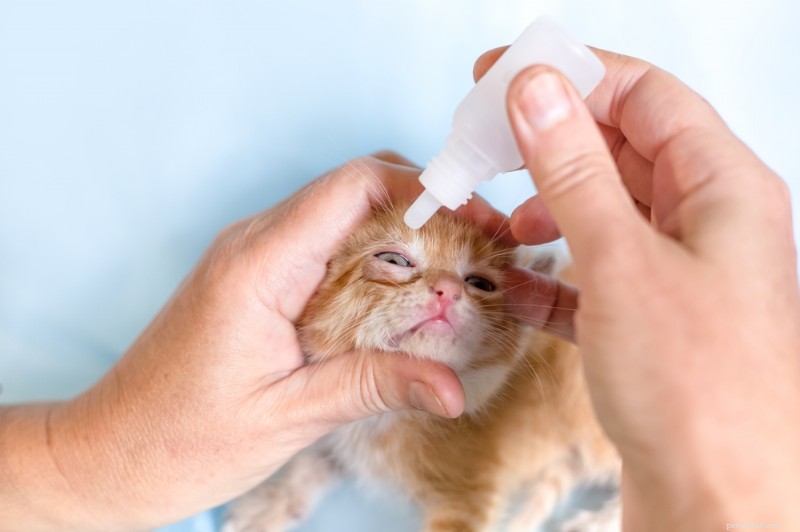
- Place the cat on your lap with its back toward you.
- Gently lift the head and slightly spread the eyelids—no need to fully open the eye.
- With the other hand, squeeze one drop into the eye.
- For a missed drop, gently rest the hand on the back of the head to steady yourself.
- Repeat for the second eye, then remove the cat.
- Reward immediately with a treat.
- Reapply any additional drops after at least 5 minutes.
If the cat resists, a “kitty burrito” works: wrap a towel around the chest, covering the body but leaving the head free. Keep the cat calm and secure, then apply the drops. A second person may assist if needed.
For frequent dosing schedules, align treatments with your routine to avoid nighttime awakenings. Discuss timing with your veterinarian if uncertain.
Can You Use Human Eye Drops on Cats?
Artificial tears are safe for feline use, but most human eye drops are inappropriate due to dosage differences and potential toxicity. Products containing neomycin, polymyxin B, and other antibiotics are ineffective and may trigger severe reactions in cats. Never share human medications with your pet.
Precautions When Using Cat Eye Drops
Never touch the bottle tip to the eye to avoid contamination and irritation. Watch for redness, swelling, fur loss around the eyes, or frequent rubbing—these may signal intolerance or an allergic reaction. Contact your vet immediately if symptoms appear, and hold further doses until advised.
If you struggle to administer drops or suspect a missed dose, consult your veterinarian for guidance. If uncertain whether a drop reached the eye, wait until the next scheduled dose rather than double‑dosing.
References
- Hume‑Smith, K. M. et al. “Anaphylactic events observed within 4 h of ocular application of an antibiotic‑containing ophthalmic preparation: 61 cats (1993‑2010).” Journal of Feline Medicine and Surgery 13, no. 10 (2011): 744‑751. doi:10.1016/j.jfms.2011.06.007.
- Pet Behavior
- Pet Breeds
- Pet Names
- Pet Adoption
- Pet Training
- Cat Stories
- Pet Health
- Adorable Pets
- Cats
- Managing Cat Separation Anxiety: Proven Strategies for a Content Companion
- Keep Your West Highland White Terrier’s Coat Pristine: A Comprehensive Guide
- Essential Health Care for Your New Puppy: A Complete Guide
- What Your Dog’s Behavior Reveals About You
- What Does It Mean When My Rabbit Clicks Its Teeth? Understanding Purring vs. Chattering
- Observing the Gentle Decline of My 17-Year-Old Cat
- Top 11 Dog Stomach Issues: Causes, Symptoms, and Effective Treatments