

Cat X‑Rays: Costs, Procedure, and What to Expect
Veterinarians rely on X‑ray imaging to peer inside a cat’s body, diagnosing everything from broken bones to hidden tumors. If you’re a cat owner, you’ll likely encounter X‑ray exams at some point in your pet’s life.
In this guide we’ll walk you through the science behind feline X‑rays, when they’re used, what the process looks like, and how much they typically cost.
What Is an X‑Ray?
X‑ray technology belongs to the broader field of radiology, which uses a variety of imaging modalities to visualize internal structures. Radiologists—specialist doctors trained in interpreting imaging studies—read X‑rays, MRIs, and ultrasounds to help veterinarians make accurate diagnoses.
X‑rays are a form of electromagnetic radiation with very short, high‑frequency wavelengths. Their ability to pass through soft tissue while being absorbed by denser structures makes them ideal for visualizing bones, lungs, and other radio‑opaque organs. The resulting image, called a radiograph, is produced by photographic plates or, more commonly today, digital detectors.
Digital X‑rays offer several advantages: images are instant, they can be shared electronically with specialists, and they reduce the need for film storage. Because of their convenience, many practices outsource the interpretation of X‑rays to a radiologist who can provide a detailed report directly to the treating veterinarian.
While X‑rays excel at imaging bone and large structures, they are less effective for soft tissues. In those cases, veterinarians may employ contrast radiography—injecting a harmless dye that blocks X‑rays—to enhance the visibility of organs like the intestines or urinary tract.
Cat Ultrasound vs. X‑Ray
Ultrasound uses sound waves to produce live images and is particularly useful for evaluating soft tissues such as the abdomen and chest. Often, a veterinarian will combine ultrasound with X‑ray data to gain a comprehensive view of a patient’s condition.
Why Do Cats Need X‑Rays?
Veterinarians order X‑rays for a wide range of clinical scenarios, including:
- Limping or suspected bone injury
- Trauma or foreign‑body ingestion
- Vomiting or abdominal distension
- Coughing or breathing difficulties
- Dental disease or tooth pain
- Heart murmurs or murmurs indicating cardiac enlargement
- Suspected tumors or masses
- Urinary symptoms such as hematuria or straining to urinate
- Intervertebral disc disease or spinal cord compression
X‑rays are particularly valuable for identifying:
- Fractures, dislocations, and bone deformities
- Osteoarthritis and other joint conditions
- Large abdominal or thoracic masses
- Urinary or gallstones
- Intestinal obstructions
- Enlargement of the heart, liver, or kidneys
- Presence of fluid or air in abnormal locations
Beyond diagnosis, X‑rays help veterinarians monitor treatment progress—such as confirming that a broken bone has healed after surgery.
Types of Cat X‑Rays
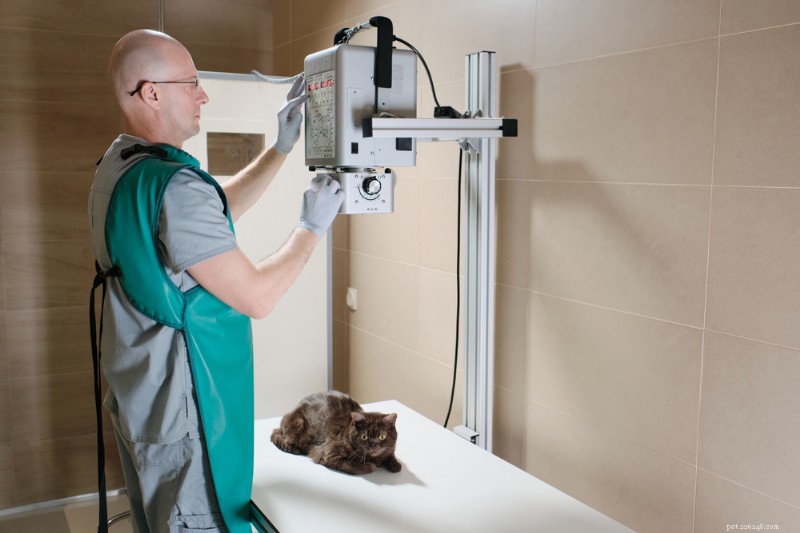
Commonly performed X‑ray views include:
- Chest X‑rays – evaluate the heart, lungs, diaphragm, and thoracic spine.
- Abdominal X‑rays – assess the stomach, intestines, liver, kidneys, bladder, and pelvis.
- Bone and joint X‑rays – diagnose fractures, arthritis, or swelling that may cause lameness.
- Dental X‑rays – provide detailed images of teeth and jaw bones; require a smaller, specialized machine.
- Skull and cervical X‑rays – useful for head trauma or spinal issues.
Veterinary technicians typically position the cat on a padded table and use a lead apron for their own protection. The X‑ray beam is tightly collimated to expose only the targeted area, minimizing unnecessary radiation.
What to Expect During a Cat X‑Ray
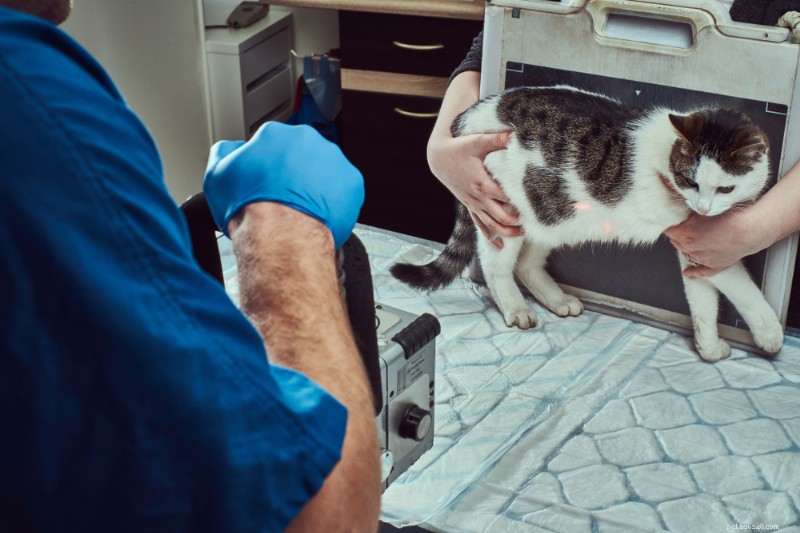
Most X‑ray exams are completed on an outpatient basis and take only a few minutes. Your cat will be gently restrained on a dedicated X‑ray table. If the animal is nervous or unable to remain still, sedation may be recommended to ensure a clear image and a calm experience.
While the procedure itself is painless, the unfamiliar noises and movements can frighten some cats. Many clinics offer mild sedatives or calming techniques to help your pet cooperate.
After the images are captured, the veterinarian may interpret them immediately. If a specialist’s opinion is needed, the radiograph is sent to a radiologist, which can take up to 24 hours for a formal report.
Cat X‑Ray Cost
The cost of feline X‑rays varies based on several factors:
- Regional veterinary fees and cost of living
- Number of views required
- Need for sedation or anesthesia
- Specialized studies such as contrast dye or fluoroscopy
Typical price ranges (before additional services) include:
- Dental X‑rays: $50–$150
- Chest or abdominal X‑rays: $100–$200
- Bone or joint 2‑view X‑rays: $75–$150
- Whole‑body X‑rays: $250–$350
- Spinal X‑rays (with sedation): $200–$1,000
Additional fees apply for sedation, contrast studies, or advanced imaging such as fluoroscopy. Many veterinarians offer wellness plans, pet insurance, or payment plans to help manage these costs.
- Pet Behavior
- Pet Breeds
- Pet Names
- Pet Adoption
- Pet Training
- Cat Stories
- Pet Health
- Adorable Pets
- Cats
- Why We Instinctively Want to Squash Cute Animals: Insights from Yale Researchers
- How to Stop Cats from Scratching Your Furniture
- 12 Cats Overwhelmed by Parenthood: Realistic Challenges Every Cat Owner Faces
- 7 Must‑Have Supplements for a Balanced Homemade Dog Diet
- Welcome a New Family Member Without Four Paws: Expert Tips for Pet Introductions
- When Do Cats Vomit? Understanding Normal vs. Concerning Symptoms
- Ringworm in Cats: Recognizing Symptoms, Causes, and Effective Treatments