

Cat Spay & Neuter: Comprehensive Guide to Costs, Procedures, and Post‑Surgery Care
If you’ve ever watched “The Price is Right” under Bob Barker’s guidance, you may recall his iconic reminder: "Have your pet spayed or neutered." Barker, along with other animal advocates, highlighted how pet overpopulation drives mass euthanasia in shelters. In the 1970s, tens of millions of animals were euthanized annually[^1]. Thanks to persistent advocacy, the ASPCA reports the euthanasia rate has fallen to fewer than one million per year, while 4.2 million animals are adopted each year[^2]. These gains are largely attributable to widespread spay‑and‑neuter programs that prevent unwanted litters.
Understanding Cat Spay and Neuter Procedures
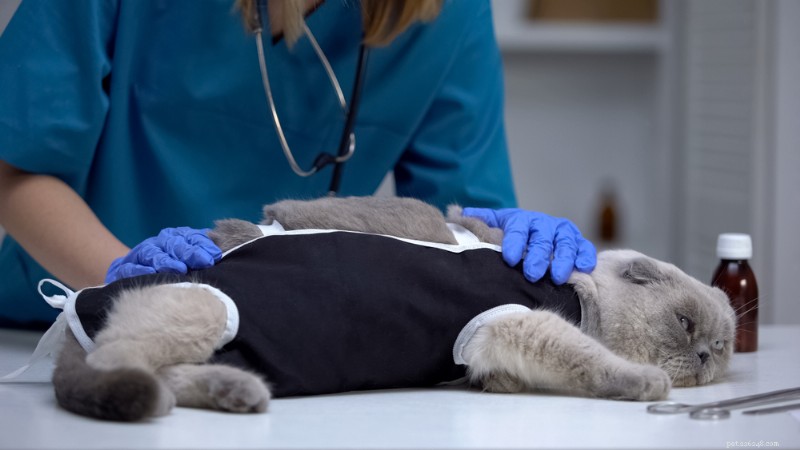
Below is a concise comparison of the two common procedures:
- Spay (Ovariohysterectomy) – The veterinarian removes a female cat’s ovaries and uterus, eliminating reproductive capability. Some practices perform an ovariectomy (removal of ovaries only) or ovary‑sparing procedures.
- Neuter (Orchiectomy) – For male cats, this involves removal of the testicles, preventing fertilization. While the surgery is swift, a neutered male can remain fertile for up to six weeks post‑op, so care must be taken if he encounters intact females during that window.
Reasons to Schedule a Cat Spay or Neuter Appointment
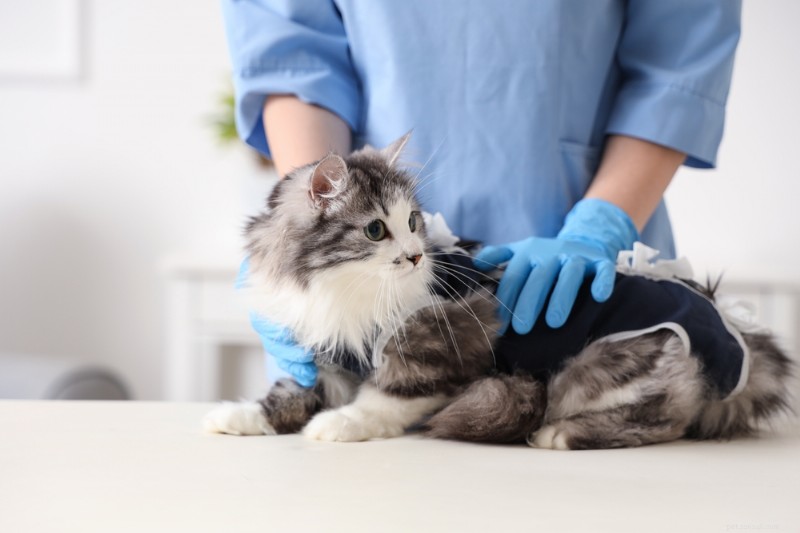
Beyond averting unplanned pregnancies, spaying or neutering offers multiple health and behavioral benefits:
- Reduces risk of breast cancer and uterine infections in females
- Decreases roaming and aggression
- Eliminates heat‑related vocalizations
- Lowers likelihood of spraying in early‑spayed cats
- Reduces FIV and FeLV transmission via fights
- Contributes to a decline in shelter homelessness
- Extends life expectancy
At What Age Can You Spay or Neuter a Cat?
Cats can be altered as early as 6–8 weeks old, and there is no upper age limit. Older cats are also candidates for the procedure. Since sexual maturity occurs around four months, it’s advisable to separate intact males and females until surgery can be scheduled. Prompt booking helps avoid accidental breeding.
Risks to Consider
While anesthesia carries inherent risks, spay and neuter surgeries are generally safe, with benefits far outweighing potential complications. Cats with pre‑existing conditions such as heart disease or seizures should discuss risks with their veterinarian. Possible complications include incisional infection, abdominal abscess (male), ovarian remnant (female), anesthetic reactions, and an increased propensity for obesity post‑surgery.
Are There Alternatives to Surgery?
Currently, no non‑surgical contraceptives are approved for cats. Researchers are exploring long‑term sterilization medications, but these remain experimental.
How Much Does Spay and Neuter Cost for Cats?
Cost varies by location and provider. Private clinics typically charge between $300 and $500, sometimes more. Low‑cost shelters and humane societies offer the same procedures for $50–$150. These facilities employ qualified staff and adhere to high‑quality standards.
Cat Spay or Neuter Appointment: What to Expect
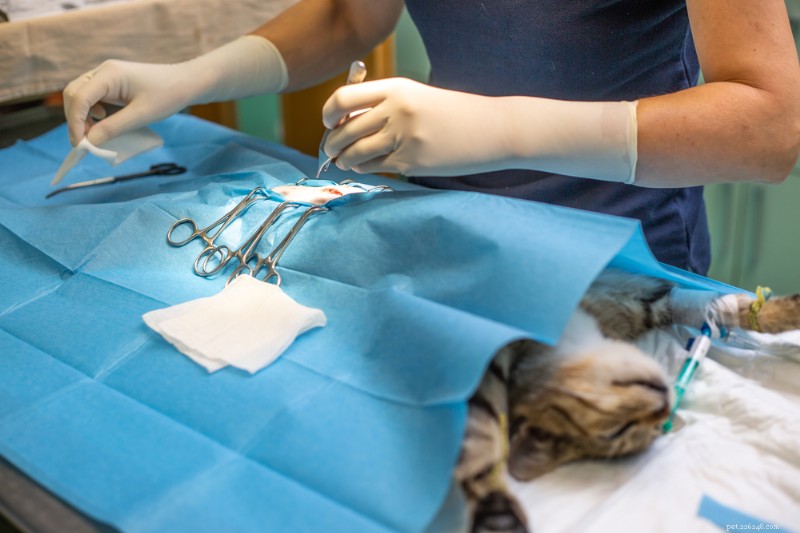
Prior to surgery, adults are usually asked to fast to reduce aspiration risk, whereas kittens may be exempt to avoid hypoglycemia. Stress‑reducing medications such as gabapentin can be prescribed for anxious cats. Under general anesthesia, the operation lasts 15 minutes to an hour. The cat is then monitored closely during recovery.
Cat Spay Appointment
The surgeon makes a midline incision along the linea alba to minimize bleeding. Using a spay hook, the uterus is exposed, and both ovaries and the uterus are removed through the same incision. Blood vessels are tied off, and the abdomen is sutured closed. In cats with large mammary glands, a flank spay may be performed.
Cat Neuter Appointment
A small incision is made over each testicle, and the testicle is removed. The spermatic cord is tied off to prevent bleeding. If a testicle is undescended, an abdominal incision similar to a spay may be required.
Manage your pet's care from anywhere

GreatPetCare Pet Parent Portal
- Schedule veterinary appointments
- Fill approved prescriptions
- Stay on top of your pet's wellness needs, all in one convenient place
Cat After Spay or Neuter Surgery: Care Tips

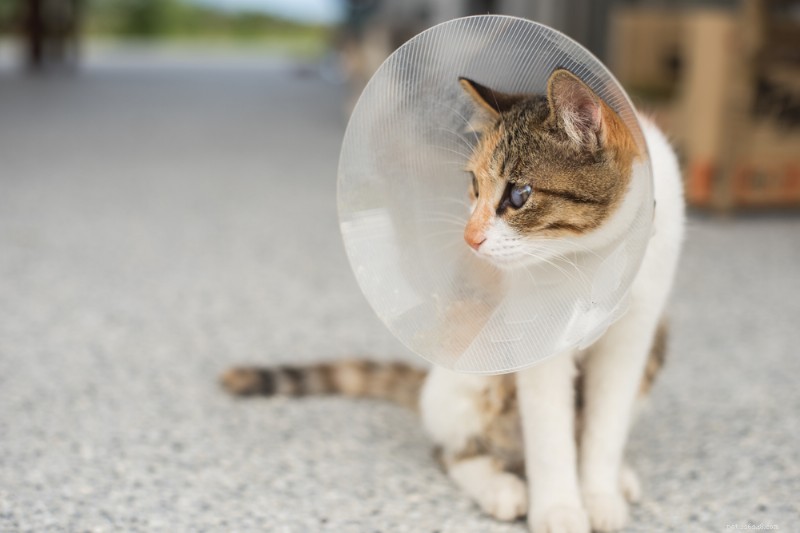
Most cats return home the same day, though they may feel groggy. Provide a quiet, comfortable space and limit activity for 7–10 days. Follow your vet’s instructions on pain medication and monitor the incision for redness, swelling, or drainage. If appetite doesn’t resume within 24 hours, contact your veterinarian. Avoid jumping, running, or rough play until fully healed, and use an e‑collar if advised.
By opting for a spay or neuter, you secure lifelong health benefits, reduce shelter strain, and safeguard your cat from unnecessary medical risks.
References
- Rowan, Andrew, and Tamara Kartal. “Dog Population & Dog Sheltering Trends in the United States of America.” Animals: an open access journal from MDPI vol. 8,5 68. 28 Apr. 2018, doi:10.3390/ani8050068
- Pet Statistics. ASPCA. Retrieved from https://www.aspca.org/helping-people-pets/shelter-intake-and-surrender/pet-statistics
- Pet Behavior
- Pet Breeds
- Pet Names
- Pet Adoption
- Pet Training
- Cat Stories
- Pet Health
- Adorable Pets
- Cats
- Maximizing Ferret Longevity: Expert Care Tips for a Healthy, Happy Life
- Guidelines for Assisting a Puppy Birth: Step-by-Step Care
- Russian Bolonka: The Petite, Curly‑Furred Lapdog
- How to Train a Brindle Pit Bull: A Comprehensive Guide
- 5 Proven Ways to Connect with Local Pet Owners
- Essential Basenji Training: Techniques for a Happy, Well‑Behaved Companion
- Do Larger Dog Breeds Show Higher Intelligence Levels Than Smaller Breeds?