

Why Your Cat’s Gums May Be Pale: 8 Common Causes & What to Do
Have you ever taken a glance at your cat’s gums? If not, you’re not alone. Most owners only peek when a vet asks. Yet a cat’s gums are a silent barometer of health, revealing hydration status, blood flow, oxygen levels, and potential disease. Pale or white gums in cats are a red flag that warrants veterinary evaluation. In this guide we’ll explore normal gum coloration, how to check your cat’s gums, eight leading causes of paleness, and practical steps to intervene and prevent future problems.
Cat Gum Basics: What Color Should Healthy Gums Be?
Healthy feline gums are typically a light, moist pink—sometimes with a subtle sheen. Variations exist: orange‑haired cats may display brown or black freckles (lentigo) that are harmless and also appear on eyelids, lips, and nose. Darker or mixed‑colored gums are common in black and gray cats. These pigmentations are normal and should not be confused with pathology.
Just like human gums, feline gums are lined with mucous membrane and reflect overall circulatory health. When blood flow or oxygen delivery is compromised, gums may become pale, blue, purple, red, or yellow, each hue indicating a distinct underlying issue. For a deeper dive into gum color changes, visit the AVMA.
Pink gums confirm adequate oxygenation and perfusion. Conditions that reduce blood flow or hemoglobin (anemia) manifest as pale gums that may be slightly pink or almost white. Because circulation and oxygenation are vital, such changes can be life‑threatening and require prompt veterinary care.
Checking gum color is a quick, non‑invasive assessment you can perform from once a week to once a month.
How Do You Check Your Cat’s Gums?
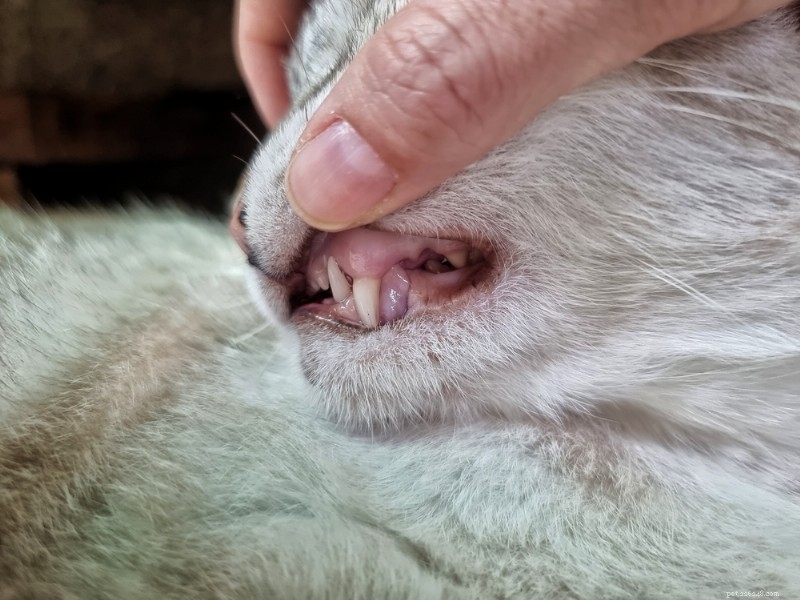
Here’s a step‑by‑step guide:
- Choose a calm moment. Most cats appreciate gentle head, chin, and cheek rubs before you approach the mouth.
- Hold your cat securely. From behind, cradle the body, offer praise, and slowly approach the mouth.
- Elevate the lip. Place one hand over the head, use the thumb to lift the upper lip, and expose the gums.
- Inspect. A healthy gum should appear moist and pink; any pallor, discoloration, or swelling warrants attention.
- Don’t force it. If the cat resists, try again later or seek a veterinarian’s help.
8 Causes of Pale Gums in Cats
Pale or white gums typically indicate problems with circulation or red blood cell count. Below are the most frequent culprits:
1. Trauma
Road‑traffic accidents, falls, or animal attacks can cause severe blood loss. The body prioritizes vital organs, and excessive loss can lead to organ damage or death. Immediate veterinary care is critical.
2. Parasites
Blood‑sucking parasites—hookworms, fleas, ticks—can deplete red blood cells. Kittens and chronically ill cats are especially vulnerable to life‑threatening anemia.
3. Infections

Viruses such as Feline Leukemia Virus (FeLV) and Feline Immunodeficiency Virus (FIV) suppress the immune system and impair bone‑marrow production of red cells, leading to anemia.
4. Clotting Disorders
Proper clotting requires a complex cascade of proteins and platelets. Anticoagulant rodenticide ingestion, inherited hemophilia, liver failure, or sepsis can disrupt clotting, causing diffuse bleeding, including pale, bleeding gums.
5. Cancer
Neoplasia can cause chronic internal bleeding or infiltrate bone marrow, hindering red‑cell production. Tumors like lymphoma often affect hematopoiesis, while others trigger hemolytic anemia.
6. Chronic Kidney Disease (CKD)

CKD is common in senior cats and impairs erythropoietin production, reducing red‑cell synthesis. Accumulated toxins also damage red cells, shortening their lifespan.
7. Heart Disease
Hypertrophic cardiomyopathy is the most prevalent feline cardiac condition. As the heart muscle thickens, pumping efficiency drops, leading to poor perfusion, anemia, and potential congestive heart failure.
8. Shock
Shock represents an overwhelming systemic insult—severe dehydration, anaphylaxis, sepsis, hypothermia, or toxin exposure—that limits oxygen delivery to tissues. Rapid intervention is essential to prevent irreversible organ damage.
What to Do If Your Cat Has Pale Gums
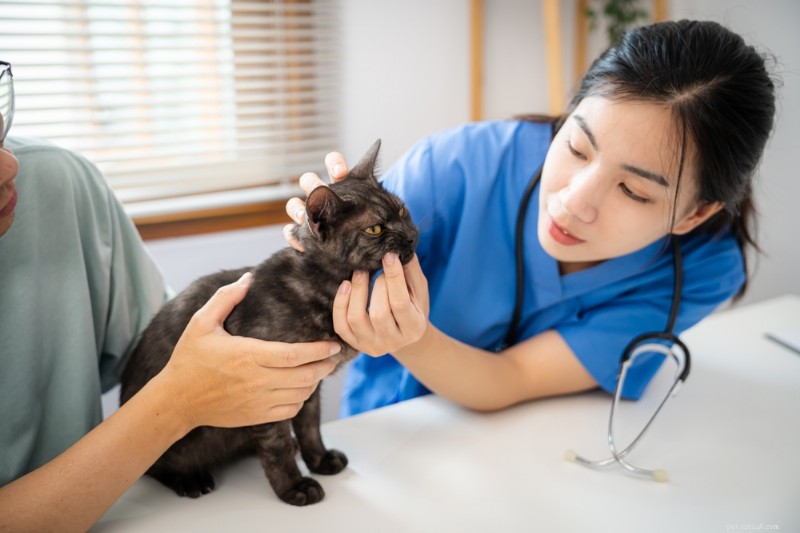
Pale gums are an emergency. Look for accompanying signs: lethargy, weakness, rapid breathing, or visible bleeding. Keep the cat warm and transport to an emergency clinic immediately.
For visible hemorrhage, apply firm pressure with a clean towel until veterinary assistance arrives. If you’re alone, call a vet for guidance before attempting to drive.
If the cat appears otherwise normal but has subtle gum pallor, a routine exam may catch early anemia or other issues. Contact your veterinarian for a recommendation.
Treatment hinges on the underlying cause. Diagnostic tests—complete blood count, coagulation profile, imaging, and toxin screens—are usually necessary to tailor therapy.
How to Prevent Pale Gums in Cats
While some illnesses are unavoidable, proactive steps can reduce risk:
- Keep your cat indoors. Indoor cats live longer and are less exposed to trauma, parasites, and extreme weather.
- Avoid toxins. Familiarize yourself with common household poisons—rodenticides, antifreeze, certain plants—and keep them out of reach.
- Schedule regular check‑ups. Annual or bi‑annual vet visits allow early detection of anemia, CKD, heart disease, and infections. Discuss vaccinations, parasite control, and dietary needs.
- Monitor hydration. Fresh water and appropriate food help maintain kidney function and overall circulatory health.
By staying vigilant and providing routine care, you can help ensure your cat’s gums—and overall health—stay strong.
- Pet Behavior
- Pet Breeds
- Pet Names
- Pet Adoption
- Pet Training
- Cat Stories
- Pet Health
- Adorable Pets
- Cats
- How to Handle Your Dog Capturing a Squirrel Safely
- Scruffing a Cat: Why It’s Harmful and Better Alternatives
- Top Puppy Leaks Posts of 2017: A Year in Review
- 16 Family-Friendly Dog Breeds Perfect for Homes with Kids
- Understanding Your Cat’s Zoomies: Causes & How to Calm Them
- Italian Greyhound: Key Traits, Care Tips, and Adoption Guide
- Can Dogs Safely Drink Milk? A Vet’s Guide to Dairy Safety