

10 Key Signs of a Blocked Bile Duct in Cats: Spot the Symptoms Early
A blocked bile duct can rapidly worsen a cat’s health and lead to substantial veterinary costs. Recognizing the condition early is essential for effective treatment.
Read on to understand bile duct obstruction, the warning signs to watch for, and the steps you should take if you suspect your cat is affected.
What Is a Blocked Bile Duct?
Before we discuss the condition itself, it’s helpful to grasp the basic anatomy of a cat’s bile system. The liver synthesizes bile—a yellow‑green fluid that facilitates fat digestion. Small ducts collect bile from the liver lobes and channel it through the common bile duct into the intestines. The gallbladder stores excess bile and releases it as needed. When any part of this pathway—whether the liver, gallbladder, or ducts—develops disease, bile can become obstructed, leading to cholestasis.
Inflammation in the liver, gallbladder, or adjacent organs often precipitates this blockage. When the inflammation involves the bile ducts, the condition is referred to as cholangitis or cholangiohepatitis. Because bile ducts are highly sensitive to surrounding pathology, inflammation of the liver, pancreas, or intestines frequently results in obstruction.
Bile duct obstruction can occur at any age but is most common in middle‑aged cats. Cats with a history of hepatic inflammation, intestinal parasites, pancreatitis, gallstones, or repeated gastrointestinal flare‑ups are at heightened risk.
10 Symptoms of a Blocked Bile Duct in Cats
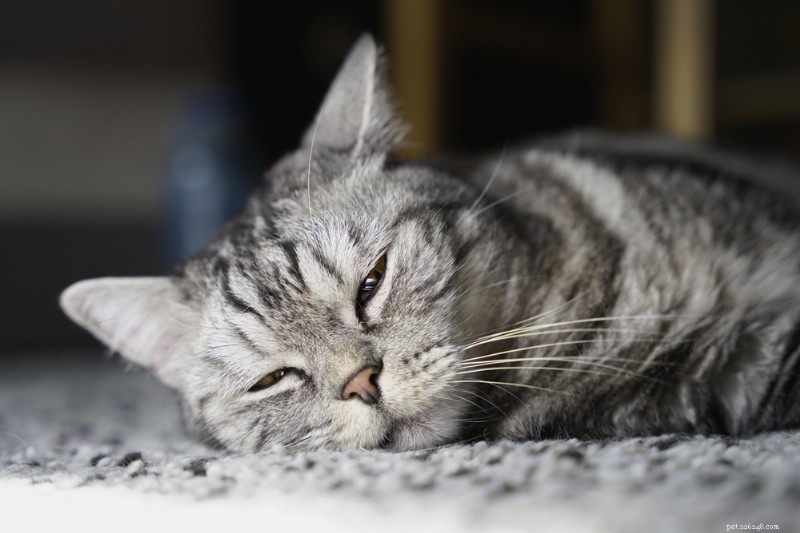
Because bile ducts are closely linked to the liver and digestive tract, the signs of obstruction can be subtle and variable. Symptoms may appear suddenly or develop gradually over weeks to months.
The following are common indicators:
- Vomiting
- Diarrhea
- Increased hiding or lethargy, along with other behavioral changes
- Fluctuating appetite—either a decrease or an unexpected increase
- Weight loss
- Abdominal discomfort
- Jaundice (yellowing of the skin, eyes, and gums due to excess bilirubin)
- Easy bruising or bleeding, including from the gums
- Distended abdomen
- Pale or chalky stools, or orange‑tinged urine
What Causes Bile Duct Obstruction in Cats?
Obstruction typically results from external pressure or blockage along the bile duct. Common culprits include:
- Inflammation of neighboring organs (liver, gallbladder, intestines, pancreas)
- Gallstones
- Intestinal parasites
- Cancer
- Congenital anatomical malformations (often seen in young cats)
- Fibrosis or strictures from trauma or peritonitis
Diagnosis
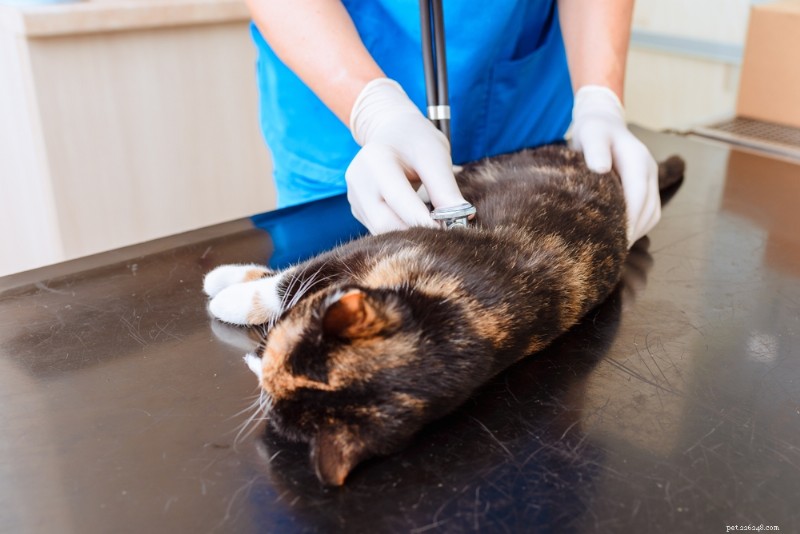
Given the nonspecific nature of the signs, a thorough diagnostic work‑up is essential. A veterinarian will start with a detailed history and physical exam, then recommend targeted tests such as:
- Complete blood count (CBC) to assess red blood cells and platelets, often revealing anemia or thrombocytopenia
- Serum chemistry panel to evaluate liver enzymes, bilirubin, electrolytes, glucose, albumin, cholesterol, and globulins
- Urinalysis, frequently showing bilirubin crystals
- Serum bile acid concentration, typically elevated when bile flow is impaired
- Coagulation studies to investigate bleeding tendencies
- Fecal examination for parasites
- Abdominal radiographs to detect gallstones or duct dilation
- Abdominal ultrasound, the most sensitive imaging modality for assessing bile duct size, gallbladder status, and pancreatitis
If initial findings remain inconclusive, a liver biopsy may be pursued to clarify the underlying pathology.
Treatment
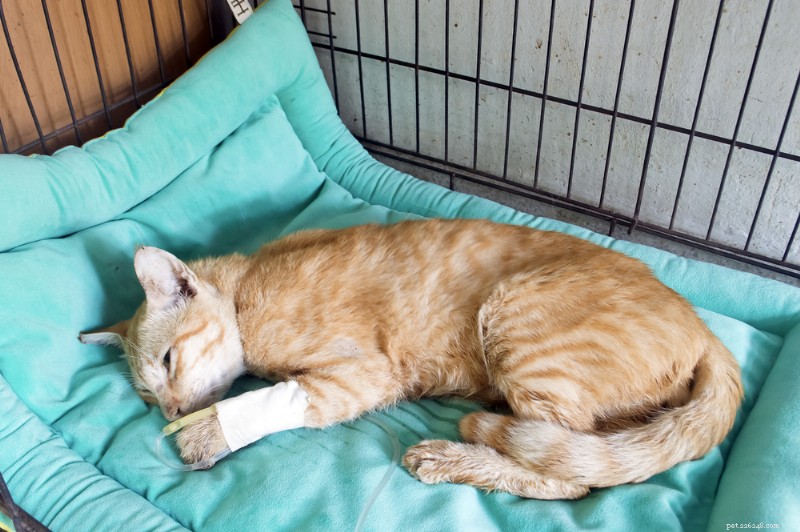
Management depends on the root cause and severity of the obstruction, but hospitalization and inpatient care are typically required. Prompt intervention is crucial to prevent complications such as hepatic lipidosis.
Key therapeutic measures include:
- Intravenous fluid therapy to restore hydration and electrolyte balance (often supplemented with water‑soluble vitamin B)
- Vitamin K to support clotting
- Vitamin E as an antioxidant
- Broad‑spectrum antibiotics to address any bacterial bile duct infection
- Appropriate nutrition—low‑fat diets are standard to reduce bile production
- Ursodeoxycholic acid after decompression to dissolve gallstones and thin bile
- Gastro‑protectants such as famotidine, sucralfate, or omeprazole
- Analgesics tailored to the cat’s pain level
In addition to medical therapy, the obstruction itself must be relieved. Options range from surgical correction to medical management of pancreatitis, depending on the cause.
Many affected cats become anorexic. Appetite stimulants or a liquid diet via feeding tube can help maintain caloric intake during recovery.
Cost
The financial burden of bile duct obstruction can be significant. Typical cost ranges are:
- Initial diagnostic testing: $300 – $1,000
- Hospitalization: several hundred dollars per day
- Surgery (if required): $3,000 – $5,000
- Post‑discharge medications: $100 + per month
After discharge, follow‑up visits for rechecks, laboratory monitoring, and repeat ultrasounds are essential to confirm resolution and prevent relapse.
Recovery & Management
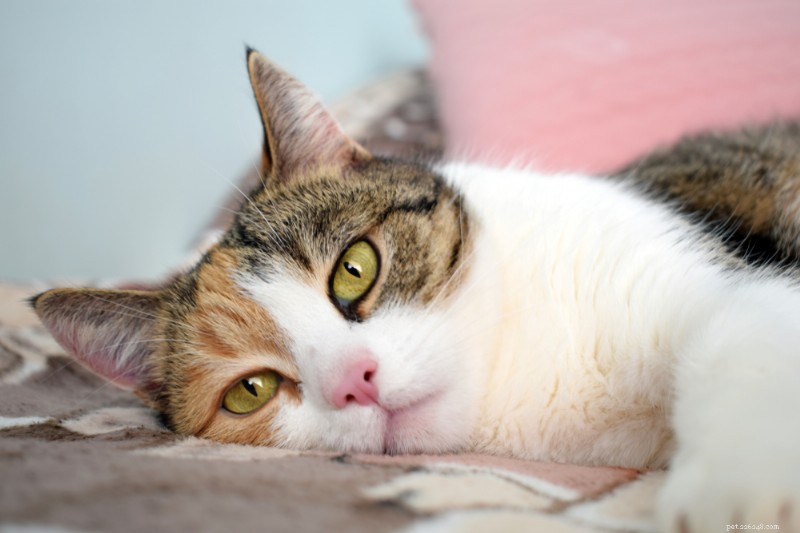
Recovery prospects vary. Cats whose obstruction stems from resolved pancreatitis generally have a favorable outlook. Prognosis depends on factors such as:
- The nature of the obstruction and its treatability
- Integrity of the bile duct—scarring or strictures worsen outcomes
- Overall health and comorbidities
- Owner commitment to post‑care protocols
Even after successful treatment, ongoing vigilance is required to prevent recurrence. Recommended practices include:
- Scheduled rechecks with laboratory and imaging studies
- Immediate reporting of any new or returning symptoms to your veterinarian
- Maintaining a low‑fat diet—available over the counter, prescription, or homemade under veterinary nutritionist guidance
- Pet Behavior
- Pet Breeds
- Pet Names
- Pet Adoption
- Pet Training
- Cat Stories
- Pet Health
- Adorable Pets
- Cats
- Effective and Gentle Rabbit Discipline Techniques
- Golden Retriever Origins: Tracing the History & Legacy of North America’s Beloved Breed
- Teach Your Dog the Essential 'Leave It' Command for Safety and Peace of Mind
- New Zoo Active Interactive Dog Toys – 10 Innovative Games for Engaged Pets
- Effective Strategies to Prevent Cat Hairballs
- How to Determine the Sex of Your Hamster: A Simple Guide
- How to Safely Use Lime Sulfur Dips for Dogs & Cats