

How to Measure Your Cat’s Blood Pressure: Normal Ranges, Causes, and Management
What Is a Normal Blood Pressure in Cats?
Blood pressure is the force that propels blood through the vascular system, delivering oxygen and nutrients to every cell. In veterinary practice, it’s a vital indicator of overall health.
In cats, normal values mirror those for humans: 120 mmHg systolic over 80 mmHg diastolic (120/80). Kittens typically fall below this range. Veterinarians rely primarily on the systolic reading when diagnosing hypertension or hypotension.
A systolic pressure above 180 mmHg is considered hypertensive, while a systolic reading below 90 mmHg indicates hypotension. Because a clinic environment can elevate a cat’s stress, clinicians reserve a diagnosis of hypertension for readings that exceed 180 mmHg.
What Causes High Blood Pressure in Cats?
Hypertension in cats is almost always secondary to an underlying disease. Common drivers include:
Kidney Disease
Up to 65 % of hypertensive cats have chronic kidney disease, a relationship mediated by complex hormonal pathways. Consequently, many feline patients with kidney disease receive antihypertensive therapy.
Heart Disease
A compromised heart may trigger systemic vasoconstriction, creating a vicious cycle that exacerbates cardiac dysfunction.
Hyperthyroidism
An overactive thyroid increases heart rate and systemic vascular resistance, raising blood pressure. Hyperthyroidism is most common in middle‑aged to senior cats.
Neoplastic Processes
Certain tumors secrete hormones that elevate blood pressure, while large or strategically located masses can compress vessels and raise systemic pressure.
Pain and Trauma
Severe pain or acute injury can provoke transient hypertension; effective analgesia often restores values to normal. Traumatic events may also disrupt autonomic regulation, leading to sustained elevation.
Symptoms of High Blood Pressure in Cats
Many signs of feline hypertension appear only once the underlying disease is advanced. The most common, and most alarming, symptom is sudden vision loss or blindness, often caused by retinal detachment or optic nerve damage.
- Reduced activity or exercise intolerance
- Behavioral changes, including irritability or anxiety
- Seizures or collapse
- New or worsening heart murmur on auscultation
Untreated hypertension can precipitate blindness, brain lesions, seizures, kidney failure, heart failure, and stroke.
Treatment for Cat Hypertension
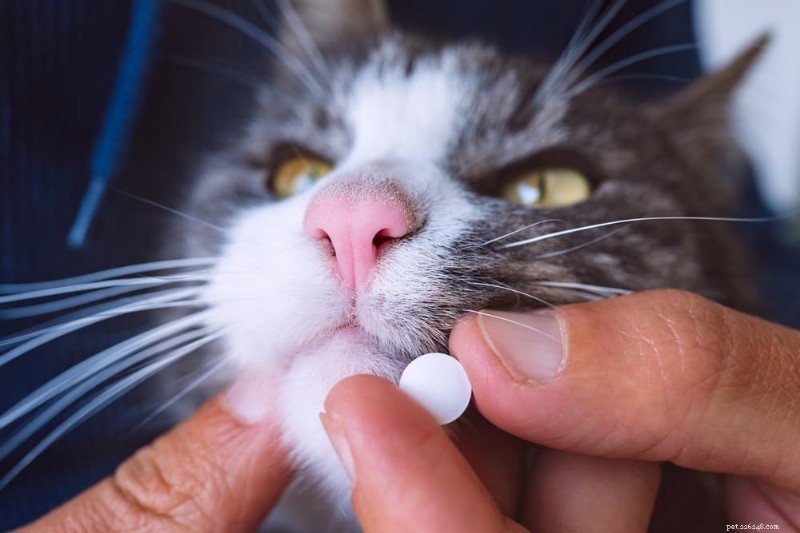
Effective management targets the root cause—whether kidney disease, heart disease, or hyperthyroidism—while adjunctive antihypertensive drugs reduce systolic pressure. Nutritional strategies such as low‑sodium diets or prescription renal diets also play a supportive role.
What Causes Low Blood Pressure in Cats?
Hypotension is a medical emergency that arises when the body cannot sustain adequate perfusion. Causes include:
- Severe blood loss or hemolysis
- Profound protein loss (e.g., nephrotic syndrome)
- Severe infections or sepsis
- Cardiac failure that impairs contractility
- Neurologic dysfunction that disrupts autonomic regulation
Symptoms of Low Blood Pressure in Cats
- Lethargy and profound weakness
- Collapse or fainting spells
- Hypothermia (body temperature below 36 °C)
- Sudden death in extreme cases
Treatment for Cat Hypotension
Immediate in‑hospital care is required: intravenous fluid resuscitation, blood transfusion if necessary, and rapid‑acting vasopressors or inotropes. Once stabilized, the underlying cause—such as infection, hemorrhage, or cardiac failure—must be addressed.
How to Take a Cat’s Blood Pressure
Veterinary clinics use two primary methods: Doppler and oscillometric. Both are non‑invasive but differ in accuracy and ease of use.
Doppler Method
This technique parallels a human cuff‑and‑stethoscope measurement. A cuff is placed on the cat’s upper arm or hind limb, and a Doppler probe listens for arterial flow. The cuff is inflated until the pulse disappears, then deflated until the sound returns—this pressure is recorded as systolic blood pressure. The procedure is repeated 3‑5 times, and the mean is calculated. Doppler offers superior accuracy but is highly sensitive to movement, making it challenging in awake, alert cats.
Oscillometric Method
Here, a cuff attached to an automated monitor records volume changes as it inflates and deflates. The device applies algorithms to infer systolic, diastolic, and mean arterial pressures. This method is user‑friendly and less operator‑dependent, yet it can be less precise, especially in small or uncooperative animals.
Can You Take a Cat’s Blood Pressure at Home?
Home measurement is generally discouraged due to the stress of handling and the potential for inaccurate readings. Instead, monitor for clinical signs such as lethargy, vision changes, and behavioral shifts. If your vet suspects hypertension, they will schedule a repeat clinic visit to obtain reliable data. For cats already diagnosed with high blood pressure, the most important home task is to administer prescribed medications on schedule and report any new or worsening symptoms.
How to Support Healthy Cat Blood Pressure
Promoting overall wellness naturally keeps blood pressure in check. Key strategies include maintaining a healthy body weight, encouraging regular play, feeding high‑quality commercial cat food, and ensuring routine veterinary check‑ups for early detection of kidney or endocrine disease.
References:
- Lawson JS, Jepson RE. Feline comorbidities: The intermingled relationship between chronic kidney disease and hypertension. J Feline Med Surg. 2021 Sep;23(9):812-822.
- Pet Behavior
- Pet Breeds
- Pet Names
- Pet Adoption
- Pet Training
- Cat Stories
- Pet Health
- Adorable Pets
- Cats
- Understanding Dog Eye Allergies: Symptoms, Causes, and Effective Treatments
- Pet Bloggers Journey 2021: Mastering Pet Blogging
- What Causes Grunting in Dogs: A Comprehensive Guide
- New Campaign Highlights Health Benefits of Companion Animals
- How to Prevent Skin Problems in Sphynx Cats: Proven Tips
- 9 Clear Signs Your Cat Is in Pain – How to Spot and Help
- Your First Week with a New Puppy: Expert Tips for a Stress‑Free Transition