

8 Clear Signs Your Cat Is in Pain – How to Spot and Respond
All featured products are chosen at the discretion of the GreatPetCare editorial team and do not reflect a direct endorsement by the author or reviewer.
Cats are naturally subtle creatures, often hiding discomfort behind their aloof demeanor. This instinctive masking can make it difficult for owners to recognize when their feline companion is suffering. In veterinary science, this behavior is understood as an evolutionary defense mechanism that protects prey animals from predators.
“Cats are fascinating in their ability to conceal pain,” says Dr. Emily McCobb, clinical associate professor of anesthesiology at Cummings School of Veterinary Medicine, Tufts University. “Their instinct to hide discomfort helps them avoid becoming vulnerable prey.”
Do Cats Experience Pain?
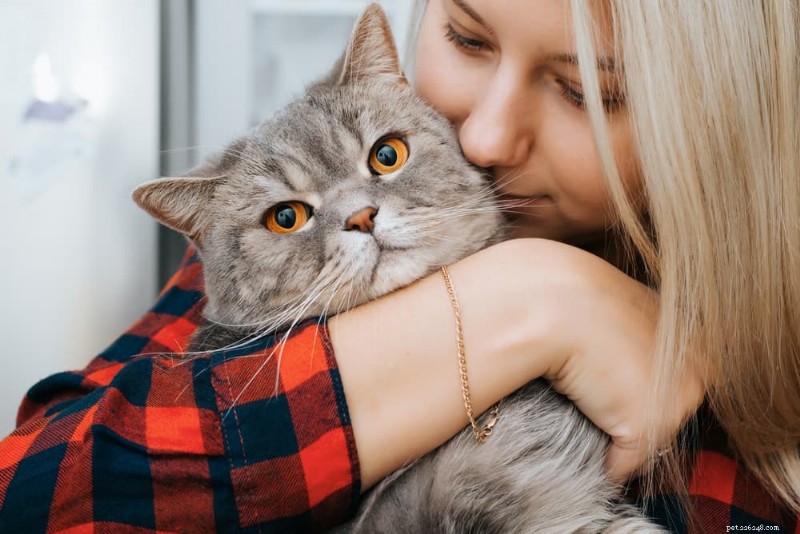
Research confirms that cats possess the same nociceptors as humans, allowing them to feel acute and chronic pain. Acute pain is typically sudden—stemming from injury, surgery, or illness—and often resolves once the underlying cause is treated. Chronic pain, such as that caused by osteoarthritis, persists over time and may be less obvious, masking as a series of subtle behavioral changes.
Because many pain symptoms overlap with other illnesses, the key for owners is to recognize changes in their cat’s routine and seek veterinary advice—rather than attempting self‑diagnosis.
8 Signs Your Cat Is in Pain
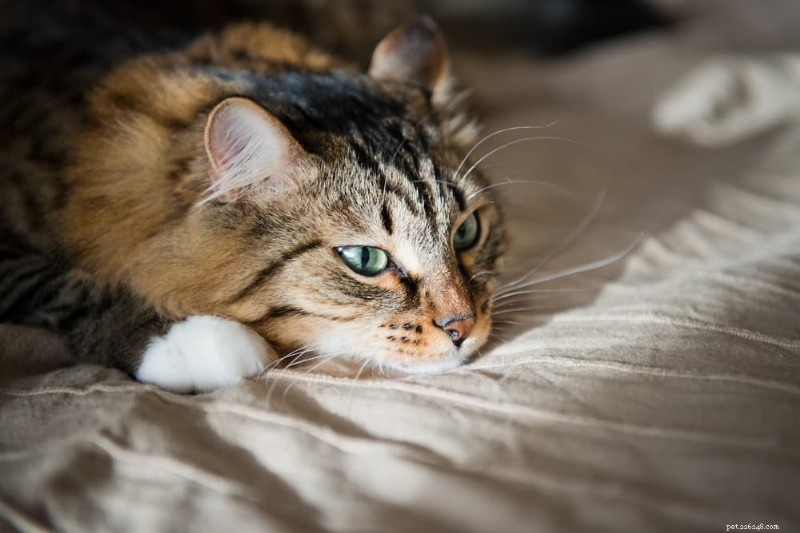
Below are the most reliable indicators that your cat may be experiencing discomfort:
1. Altered Behavior
“A noticeable shift in activity levels or playfulness is often the first warning sign,” explains Nancy Vail‑Archer, DVM, medical director at NorthStar Vets. “If a cat that once leapt onto counters now avoids heights, or if a playful companion becomes lethargic, these changes warrant further investigation.”
2. Hiding
When a sociable cat retreats to secluded spots or resists greeting family members, it may be signaling pain or distress. This withdrawal is one of the most common behavioral shifts owners report in ill cats.
3. Litter‑Box Issues
Unexpected urination or defecation outside the litter box can signal conditions like urinary tract infections or joint pain that makes box access difficult. A cat avoiding the box may associate it with discomfort.
4. Vocalization
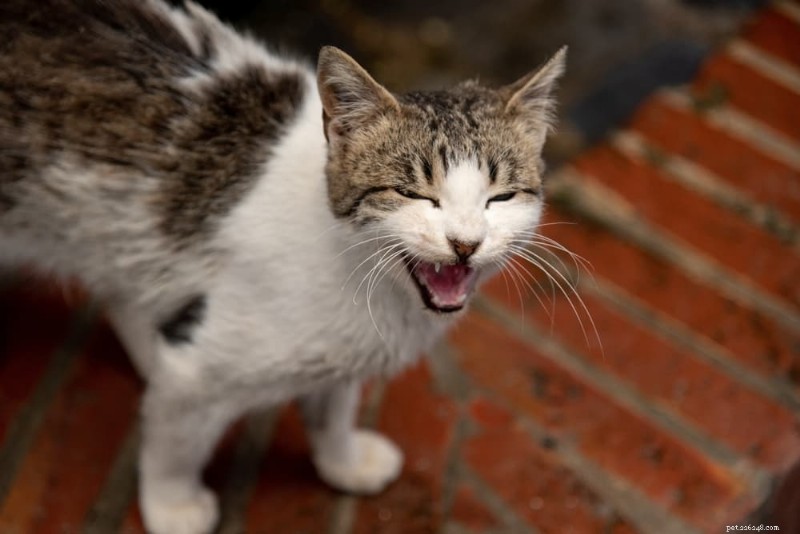
New or increased meowing, especially when touching a specific area or during elimination, can be a clear sign of pain.
5. Limping or Pawing
Limping is an unmistakable indicator of injury or inflammation. A cat favoring a limb or avoiding putting weight on a paw should be evaluated promptly.
6. Abnormal Posture
While a relaxed cat stretches out, pain often causes a crouched or curled posture. If your cat keeps a body half‑curled or resists lying on a painful side, this may reflect underlying discomfort.
7. Aggression
Sudden irritability or hissing toward familiar people or other pets can be a defensive response to pain. Pay attention to facial cues and subtle growls that precede aggression.
8. Loss of Appetite
Refusal to eat, especially when accompanied by drooling or difficulty chewing, can indicate dental pain or systemic illness. A cat that visits the food bowl less frequently may be avoiding the act of feeding due to discomfort.
When to Seek Veterinary Care
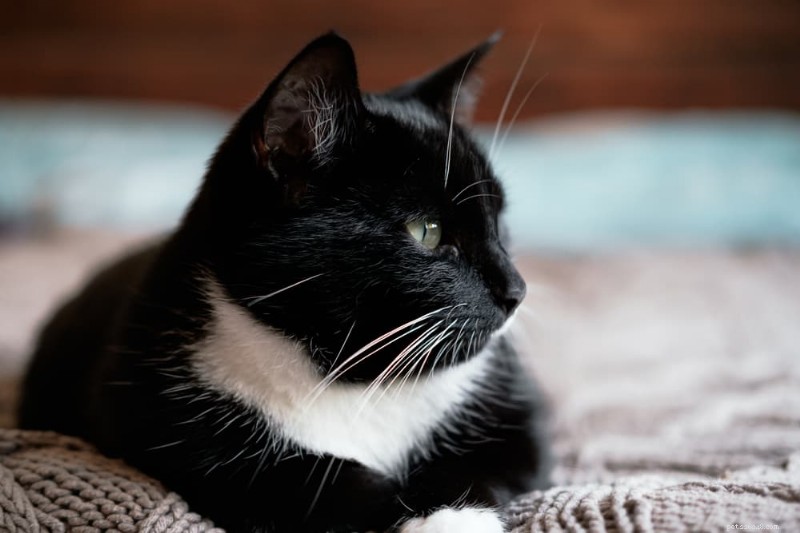
Minor changes—such as a slight dip in appetite—can be monitored for a week if other functions remain normal. However, any of the following scenarios require immediate veterinary attention:
- Inability to use the litter box or significant changes in elimination patterns
- Sudden loss of appetite or weight loss
- Severe lethargy or inability to rise from a lying position
- Rapid worsening of pain signs
Comprehensive medical history and owner observations are vital for accurate diagnosis, as the owner often notices subtle shifts that the veterinarian may not detect during a brief exam.
Managing Your Cat’s Pain

Effective pain control often involves a multi‑modal approach. Treatment options can include:
- Prescription NSAIDs such as meloxicam for short‑term relief, with careful monitoring for renal side effects
- Steroids like prednisolone to reduce inflammation associated with arthritis
- Neuropathic agents such as gabapentin for chronic nerve pain
- Adjunct therapies—acupuncture, laser therapy, massage, or physical rehabilitation—to enhance comfort and mobility
- Dietary supplements (chondroitin, glucosamine) to support joint health in arthritic cats
Because pain varies by cause, collaborating with your veterinarian to design a personalized management plan is essential. Contact your vet to discuss the most appropriate interventions for your cat’s specific condition.
---
- Pet Behavior
- Pet Breeds
- Pet Names
- Pet Adoption
- Pet Training
- Cat Stories
- Pet Health
- Adorable Pets
- Cats
- Understanding Foamy Vomiting in Dogs: Causes, Concerns, and When to Seek Vet Care
- Understanding Cat Hyperesthesia: Causes, Symptoms, and Treatment
- Effective Ways to Stop Your Dog from Urinating on the Floor
- 10 Clear Signs Your Dog Is Stressed and How to Help
- What Is a Group of Wild Cats Called? Names for Feral, Domestic, and Big Cats
- Can Dogs Eat Pasta? A Vet-Approved Guide to Safe Portions and Ingredients
- Smooth Fox Terrier: Key Facts & Characteristics