

10 Expert Ways to Ease Your Cat’s Pain
All featured products are chosen at the discretion of the GreatPetCare editorial team and do not reflect a direct endorsement by the author or reviewer.
Every cat will inevitably encounter pain at some point—whether it’s a surprise sting from a bee, a routine dental cleaning, or a life‑saving surgery. Even age‑related issues such as arthritic joints can leave your feline friend in discomfort. Seeing your cat suffer is heartbreaking, but you can make a real difference by following proven comfort strategies.
Below are 10 evidence‑based tips that will help you reduce your cat’s pain and protect their quality of life during any medical event or chronic flare‑up.
What to Do When Your Cat Is in Pain
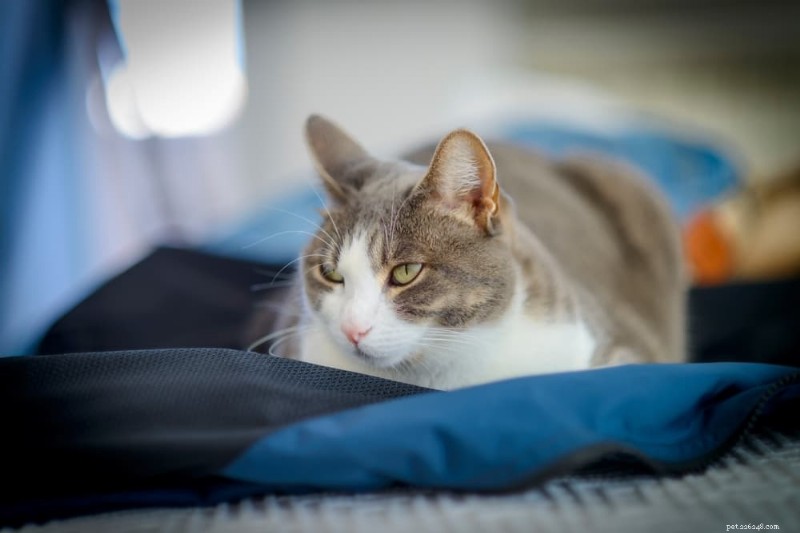
For many years, veterinarians thought animals felt pain differently from humans, and that a certain amount of discomfort after surgery might actually protect a cat from injuring itself. Modern neuro‑science has shown that cats’ nervous systems are remarkably similar to ours, meaning pain can seriously hamper recovery, reduce activity, and lower overall wellbeing [1].
Cats often hide pain because, evolutionarily, showing weakness invites predators. However, a variety of subtle cues can reveal discomfort. Patrik Holmboe, DVM, head veterinarian at Cooper Pet Care, explains that “pain expressions can take many forms.”
Bruce Silverman, DVM, medical director at Village West Veterinary, lists common behavioral signs: a sudden drop in play or appetite, increased hiding, and reluctance to be touched. Physical indicators include limping, straining to urinate, or a stare at the food bowl when the mouth hurts. Audible cues—yowling, hissing, or growling—may also signal pain and are sometimes mistaken for aggression.
Pain can be classified into several types, each requiring a tailored approach:
- Acute pain. Dr. Silverman notes that acute pain is usually obvious and occurs for less than three months [2].
- Chronic pain. Over time, cats may exhibit subtler changes—reduced activity or slower movements—as pain persists beyond three months [2].
- Acute‑on‑chronic pain. A senior cat with arthritis might flare during wet, cold months—an example described by Natasha Bui, PT, DPT, CCRT, founder of Amicus Animal Rehab.
- Post‑surgical pain. Although acute, this pain can feel like chronic withdrawal, leading cats to hunker down.
Because pain can manifest in many ways, consulting a veterinarian is essential. Tools such as the Feline Grimace Scale, which evaluates ear position, muzzle tension, whisker stance, and head posture, help clinicians quantify discomfort [3] and tailor treatment.
10 Tips for Comforting a Cat in Pain
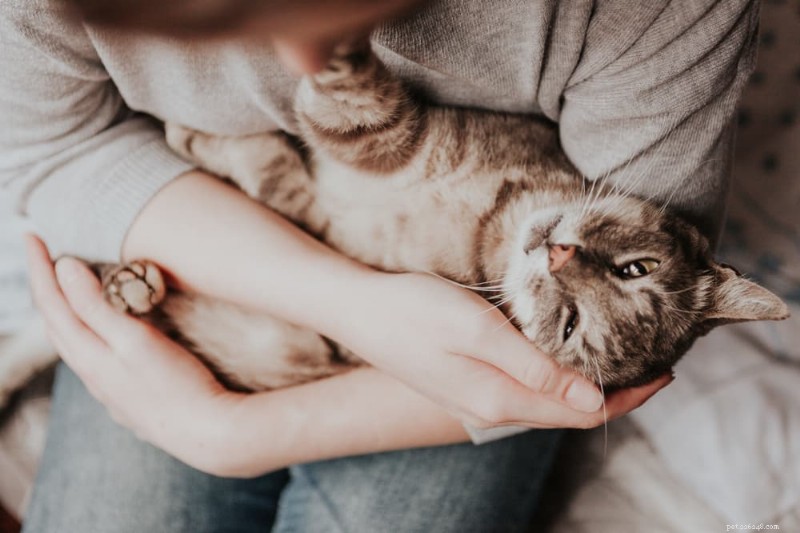
Effectively managing your cat’s pain—whether at home or under veterinary care—boosts recovery, reduces complications, and strengthens the bond between you and your pet.
Provide a Safe Post‑Surgery Environment
“A confined space allows you to monitor progress and prevents accidental injury,” says Dr. Silverman. A quiet room free of cat trees and high furniture works for many procedures; more invasive surgeries such as luxating patella may require a large crate for several weeks.
Swap Traditional Pet Furniture for Orthopedic Options
Orthopedic beds evenly distribute weight, easing pressure on joints. Choose models with CertiPUR‑US certified foam to guarantee safety and indoor air quality. Heated beds, blankets, and pads can further soothe aching areas.
Improve the Accessibility of Your Home
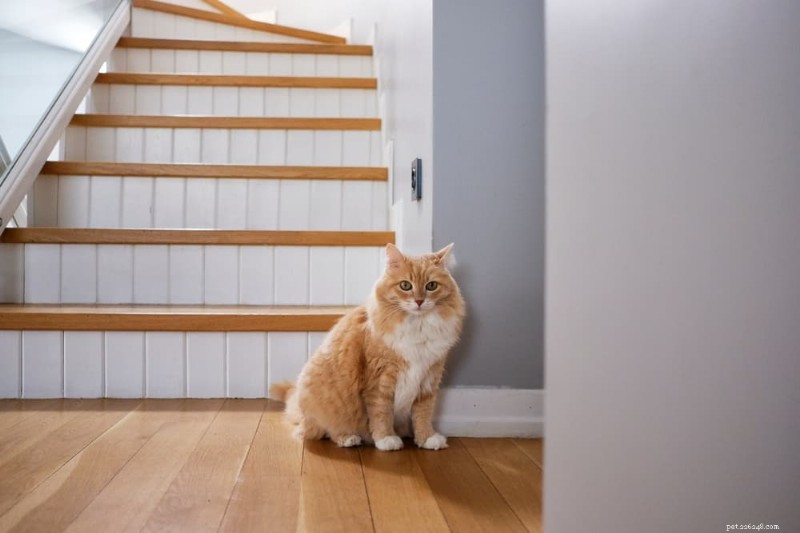
Mobility‑limited cats benefit from simple home modifications:
- Stairs and ramps. Ramps or low‑step stairs give cats a gentle way to reach beds, couches, and windowsills, reducing strain on hips and legs [4].
- Increase traction. Place runners, rugs, or yoga mats in high‑traffic zones to improve grip [5].
- Low‑entry litter boxes. Replace top‑entry units with low‑entry boxes and lightweight litter to minimize effort. Provide a box on every level so your cat never has to climb.
- Elevated food and water bowls. Raising bowls reduces neck strain and can encourage better eating habits.
Talk to Your Veterinarian About Prescription Pain Relief for Cats
Stephen Quandt, CFTBS and founder of Cat Behavior Help, stresses that the right medication depends on the procedure and the condition. Mild pain may require only NSAIDs, while surgery often calls for stronger options. Fortunately, several safe choices exist for every situation.
- Opioids. Fentanyl and buprenorphine are commonly used pre‑ and intra‑operatively to lower anesthesia needs. A long‑acting topical opioid was approved in 2022 and can provide up to three days of relief.
- Non‑steroidal anti‑inflammatory drugs (NSAIDs). These reduce inflammation and the associated pain that can peak the day after surgery.
- N‑methyl‑D‑aspartate (NMDA) receptor antagonists. Amantadine may be prescribed for chronic pain management.
- Gabapentin. This medication dampens pain transmission and often helps cats relax, which indirectly eases discomfort.
- Monoclonal antibody for osteoarthritis. The FDA approved the first mAb for feline OA in 2022; it’s given subcutaneously once a month at a weight‑based dose [6].
Never administer human pain relievers to your cat—many are toxic.
Administer Medicine in a Stress‑Free Way
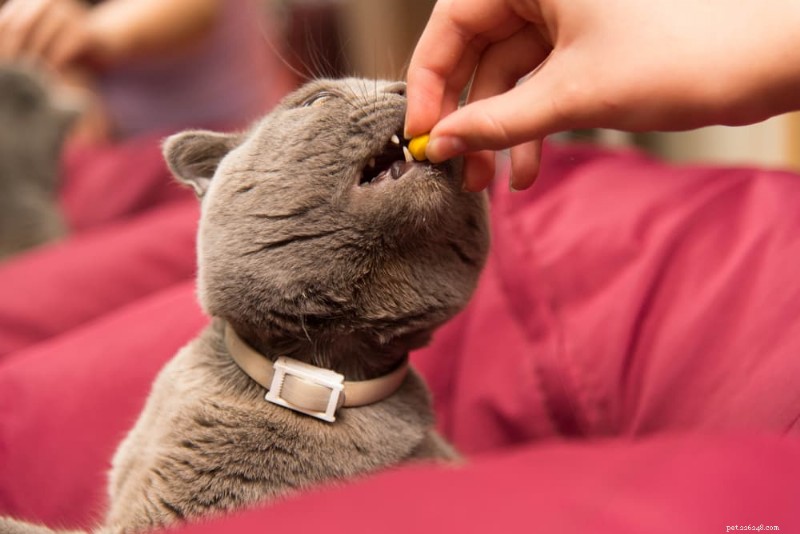
Using the right technique can transform medicine time into a calm moment. Cat pill poppers, towel wrapping, or a hidden treat can help. If you’re unsure, ask your vet for guidance or alternative formulations, as most drugs are available in liquid or capsule form.
Talk To Your Vet About Pain‑Relieving Supplements for Cats
Before adding any supplement, consult your veterinarian—many products safe for dogs or humans can be dangerous for cats.
- Omega‑3 fatty acids. Derived from small cold‑water fish or plant sources, they can reduce inflammation.
- Glucosamine and chondroitin sulfate. Frequently recommended for arthritic pain.
- CBD. Available as chews, tinctures, or treats; while the FDA has not approved it for pets, many owners report reduced pain and anxiety. Vet approval and dosage are essential.
Try Calming Aids
Pheromone sprays or diffusers can help, but their effectiveness depends on the cat and situation. Treats, probiotic powders, and tinctures may also offer a calming effect.
Consider Complementary Therapies
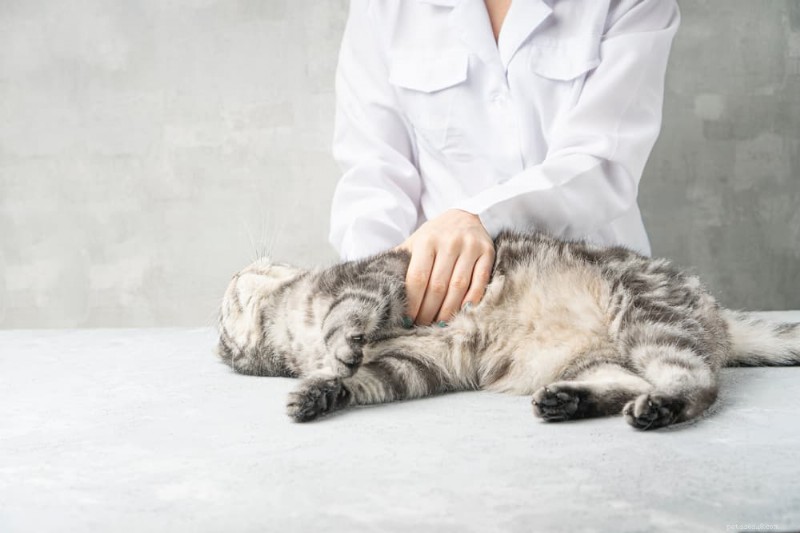
When used alongside conventional care, complementary modalities can accelerate healing and reduce pain. Always discuss options with your vet first.
- Physical therapy. A trained therapist guides safe movement, identifies pain sources, and can eventually reduce medication reliance.
- Laser therapy (cold laser or photobiomodulation). Infrared light stimulates cellular repair.
- Electrical stimulation. TENS modulates pain and swelling; NMES maintains muscle mass and reduces spasticity.
- Pulsed electromagnetic field therapy. Low‑frequency fields cut inflammation and speed recovery.
- Massage, acupuncture, chiropractic care. These offer short‑term relief but should complement medication and rehab.
- Hydrotherapy. Underwater treadmills provide buoyancy that eases joint stress—though many cats prefer land‑based methods.
Provide Space When Necessary
Pets in pain may resist touch. Approach slowly, speak softly, and let your cat set the pace. Offer a hand for sniffing or a gentle touch to a non‑painful area, but respect their need for solitude if they withdraw.
End‑of‑Life Care
When chronic pain becomes unmanageable, humane euthanasia may be the kindest option. Sensitive observation of the following signs can guide your decision:
- Can the cat eat, control bodily functions, and walk?
- Does it still engage in favorite activities, or does it seem detached?
- Is the cat truly living, or merely existing?
Discuss these observations with your vet to determine if euthanasia is appropriate.
Conclusion
“If you suspect your cat is in pain, you’re probably right,” says Dr. Silverman. Acting promptly and using these evidence‑based strategies can make a significant difference. You are your cat’s strongest advocate—your proactive care can ease suffering even when prevention isn’t possible.
- Pet Behavior
- Pet Breeds
- Pet Names
- Pet Adoption
- Pet Training
- Cat Stories
- Pet Health
- Adorable Pets
- Cats
- Build a Positive Daily Routine for Your Dog: Simple Habits for a Happier, Healthier Pup
- Average Height and Weight of Male Dobermans: What to Expect
- Meet Boots: The Charming Ragdoll Cat of the Week
- Rudis Chameleon (T. Rudis): Care Guide & Key Facts
- How High-Quality Meat Diets May Diminish Your Cat's Hunting Instincts
- How Long Should You Walk Your Dog? Breeds, Energy & Expert Guidelines
- How to Pick the Perfect Dog Bed Filler for Comfort & Support