

What Is a Normal Heart Rate for Cats? – Signs, Ranges, and When to Seek Veterinary Care
During every veterinary visit, your cat’s heart rate is recorded—just as it is for human patients. Understanding that pulse gives you a baseline and helps spot health changes early.
Why Monitoring Your Cat’s Heart Rate Matters
Tracking your cat’s pulse establishes a reliable baseline. Deviations can signal conditions such as hyperthyroidism, arrhythmia, or stress‑related tachycardia. Early detection lets the veterinarian decide whether treatment is needed and what the plan should be.
What Is a Normal Heart Rate for Cats?

Normal ranges differ between kittens and adults. A healthy adult cat typically has a resting heart rate of 140–220 beats per minute (bpm). Kittens usually pulse faster, often reaching up to 300 bpm at rest.
Because veterinary offices can be stressful, a cat’s rate is often higher in the clinic than at home. Physical activity also raises the pulse— a relaxed cat in a sunny window will beat slower than one chasing a laser pointer.
Below is a reference chart that helps you gauge what’s normal, low, or high for an adult cat. Individual variation is common, so if your cat’s rate drifts consistently toward the high end—even within the “normal” band—contact your veterinarian.
Adult Cat Heart Rate Chart
Critically Low Under 100 bpmLow 100–140 bpm
Normal 140–220 bpm
High Over 220 bpm
If your cat’s baseline is 150 bpm and you notice it regularly spikes to 210 bpm, that’s a red flag. A heart rate below 100 bpm can cause fainting or loss of consciousness and requires emergency care.
Abnormal Heart Rates: What They Mean
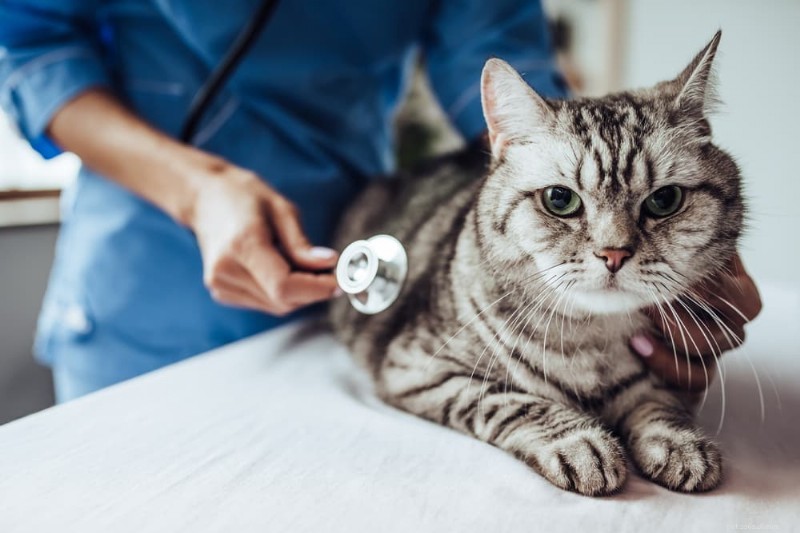
Veterinarians listen for more than just the beat—they also detect murmurs and arrhythmias. Knowing your cat’s normal range lets you spot changes that might indicate a problem.
A rapid, regular rhythm is called sinus tachycardia. Physiologic causes include excitement, exercise, stress, or pain. Pathologic causes may involve anemia, congestive heart failure, hyperthyroidism, infections, blood clots, or electrical disturbances.
A slower, regular rhythm is sinus bradycardia and can result from sedation, anesthesia, seizures, or electrical abnormalities.
How to Check Your Cat’s Heart Rate at Home
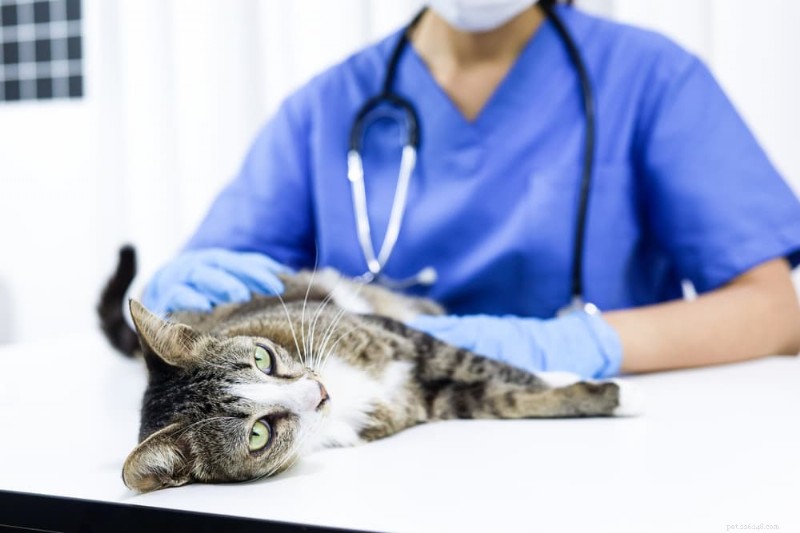
Veterinarians are best equipped to assess pulse, sounds, and rhythm. If you want to monitor at home, there are two simple methods:
- Press gently with one hand on the underside of the chest, between the front legs, and feel for the beat.
- Use a cheap stethoscope; the left side of the chest, just below the armpit, is the most reliable listening spot.
Count beats over 15 seconds and multiply by four to obtain beats per minute.
When to Seek Veterinary Care

If your cat’s pulse is abnormal but the animal behaves normally, a routine appointment often suffices. If the cat is fainting, disoriented, vomiting repeatedly, or in obvious pain, seek emergency care immediately.
Should your veterinarian confirm an abnormal rate, they may recommend:
- Chest X‑rays – to evaluate heart size and lung condition.
- Electrocardiogram (ECG) – to map electrical activity and detect arrhythmias.
- Echocardiogram – an ultrasound that visualizes heart chambers, walls, and blood flow.
- Blood work – to screen for hyperthyroidism, infections, or cardiac injury.
Treating the underlying cause—whether hyperthyroidism, infection, or anemia—typically normalizes the pulse. If an arrhythmia is present, medications such as propranolol, atenolol, sotalol, or diltiazem may be prescribed, and in rare cases a pacemaker may be considered.
Ultimately, your veterinarian is the best guide for what’s normal for your individual cat. While staying alert to heart rhythm changes is useful, keep a holistic view of your cat’s activity, appetite, bathroom habits, and grooming—early behavioral shifts often precede clinical signs.
- Pet Behavior
- Pet Breeds
- Pet Names
- Pet Adoption
- Pet Training
- Cat Stories
- Pet Health
- Adorable Pets
- Cats
- Managing Ulcers in Dogs: A Guide to Diet and Care
- Cat Whiskers Turned to Jewelry: Jen Glick's Artistic Journey
- Cherry Eye in Dogs: Causes, Symptoms, and Treatment
- Understanding the Risks of Prong Collars: Key Questions for Responsible Dog Owners
- Are Ham Shanks Safe for Dogs? FDA Guidance & Health Tips
- Scottish Terrier (Scottie): Comprehensive Guide to Characteristics, Care, and Health
- Why Cat Whiskers Matter: Science, Health, and Myths Explained