

Complete Guide to Cat Dental Cleaning: Procedure, Costs, and Care Tips
Imagine never brushing your teeth or visiting a dentist. The dental decay, infection, and pain you’d endure—and the odor—are a stark reminder that oral health matters for pets just as it does for people.
In fact, research shows that 50‑90% of cats older than four suffer from some form of dental disease (1). Periodontal disease is not only painful; it also allows bacteria to travel from the mouth into the bloodstream, triggering systemic inflammation and putting other organs at risk.
Because dental problems worsen over time—especially in senior cats—establishing a home‑care routine early and scheduling regular veterinary cleanings are essential for long‑term health.
Below we outline the key signs that signal a cleaning is needed, walk through the cleaning process step by step, explain typical costs, and describe what to expect during recovery.
Signs You Should Schedule a Cat Dental Cleaning
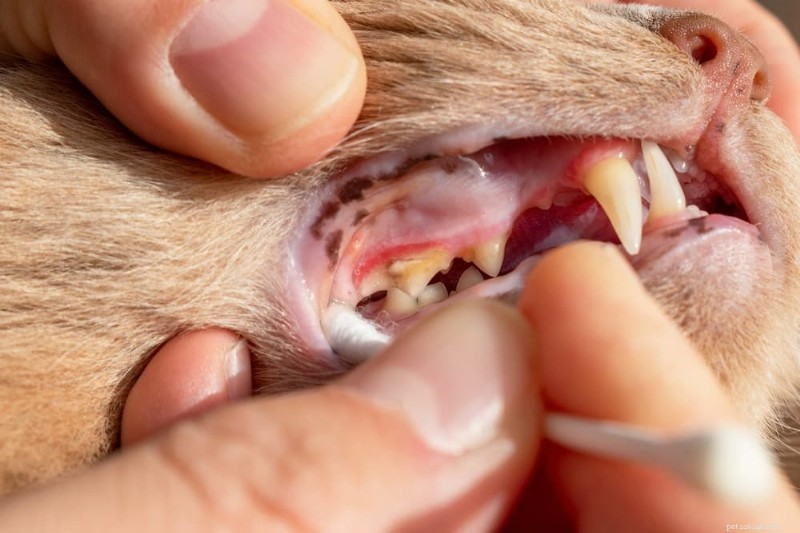
Regular brushing and annual veterinary exams are the best defenses against dental disease. Watch for these warning signs:
- Bad breath (halitosis)
- Visible tartar or red, swollen gums
- Excessive drooling
- Bleeding or pus in the mouth
- Frequent head shaking, face‑pawing, or teeth chattering
- Facial swelling or nasal discharge
- Dropping or refusing food, or a sudden change in appetite
- Difficulty swallowing
- Weight loss
- Behavioral shifts—lethargy, hiding, irritability, or aggression
Even if a cat continues to eat, they often mask pain, so routine checks remain critical. Senior cats are especially vulnerable; discuss anesthesia safety with your vet to determine the best approach.
Cat Dental Cleaning Procedure: Step by Step
Your veterinarian will advise whether a cleaning or additional treatments are required. The typical workflow includes:
Physical Exam
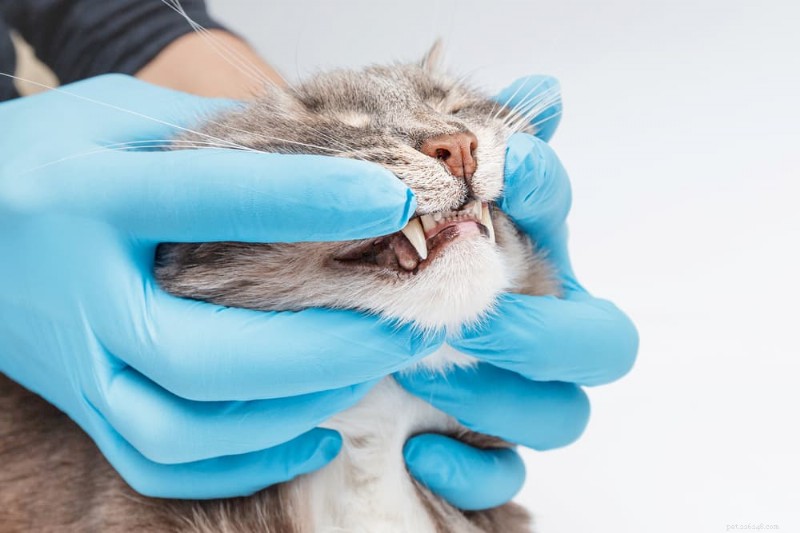
The vet inspects the mouth, may prescribe a short course of oral antibiotics, and orders blood work to ensure the cat is a good candidate for anesthesia.
General Anesthesia
Because cats cannot stay still and will bite, anesthesia is essential. It also keeps the airway protected while water is used. Though anesthesia carries inherent risks, a thorough pre‑op assessment mitigates them, and the benefits of a complete cleaning usually outweigh the dangers.
IV Catheter
An intravenous line delivers fluids and, if needed, antibiotics. The cat’s vital signs are continuously monitored, and warming blankets maintain body temperature.
Dental Radiographs (X‑Rays)
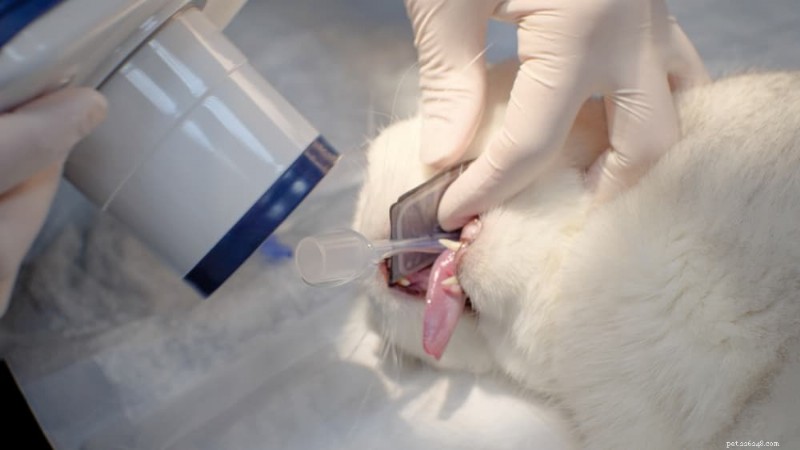
X‑rays reveal hidden pathology beneath the gum line—resorptive lesions, decay, bone loss, cysts, or retained deciduous teeth. Studies show that 42% of cats with seemingly healthy visible teeth actually have sub‑gingival disease (2).
Dental Scaling and Polishing
Using forceps, hand scalers, and an ultrasonic scaler, the vet removes tartar above and below the gum line. The gums are probed for deep pockets; if necessary, a tooth may be extracted. The cleaned surfaces are then polished, and an anti‑plaque agent is often applied.
Tooth Extractions
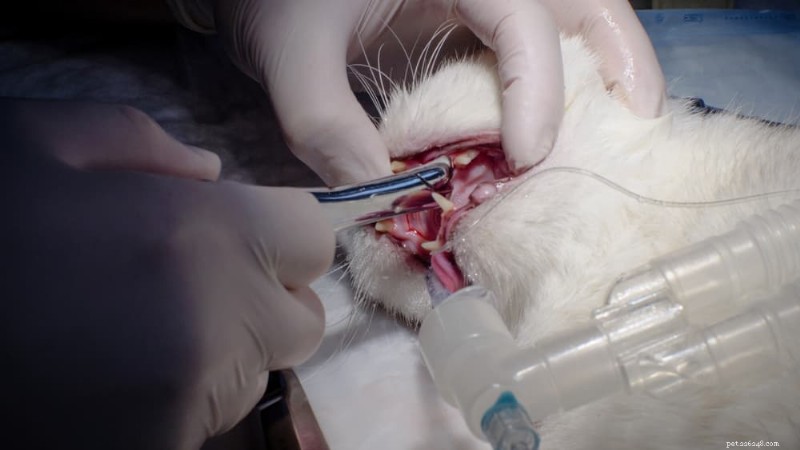
Local anesthesia (e.g., lidocaine) numbs the extraction site. An elevator loosens the periodontal ligaments, and forceps or a scalpel may be used to remove the tooth. Sutures close the wound if required.
Additional X‑Rays
Post‑extraction radiographs confirm the removal of the entire root and detect any fractures in a weakened mandible.
Cat Dental Cleaning Cost
Costs vary by location, practice, and the cat’s health. Typical veterinary fees range from $300 to $750 and include a $50–$60 exam, $100–$200 for pre‑anesthetic blood work, anesthesia, X‑rays, and the cleaning itself. If extractions are needed, prices can exceed $1,000. Veterinary specialists from the American Veterinary Dental College (AVDC) perform more advanced procedures at higher rates.
Pet insurance may cover routine dental care, depending on the policy. Some clinics offer reduced rates during Pet Dental Health Month in February; ask your vet for specials and book early.
What to Expect After a Cat Dental Cleaning
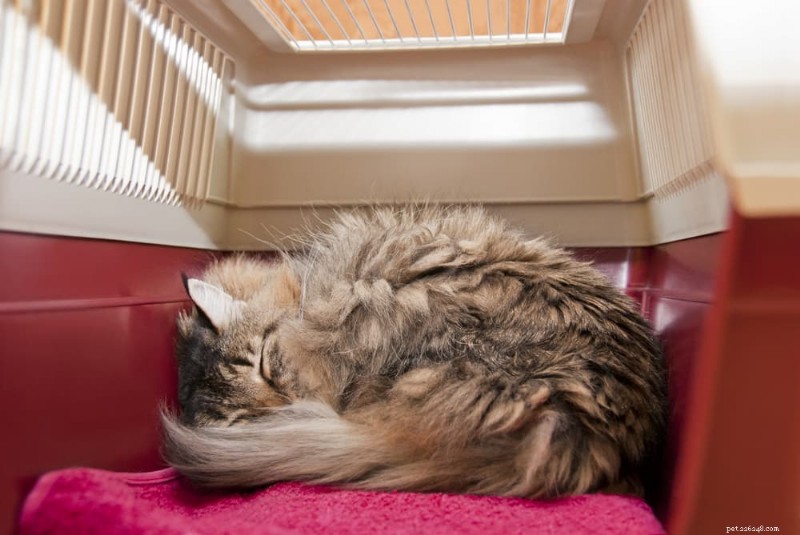
After anesthesia, the vet may discharge your cat the same day or recommend overnight observation. Keep the cat in a small, safe area—such as a carrier or a low‑to‑high‑stairroom—until it is steady to prevent falls.
It is common for cats to feel nauseated or constipated for a few hours or days post‑procedure. Vomiting, refusal to eat after 24 hours, or no bowel movement after five days warrants veterinary attention.
Pain management may include meloxicam (Meloxidyl) or oral antibiotics such as clindamycin. If extractions were performed, the wound may be closed with dissolvable sutures or left open; the vet may recommend gentle rinsing with chlorhexidine to keep the area clean.
Afterward, a soft diet of canned food for about two weeks is advisable, followed by a routine follow‑up exam. Home brushing can resume within a few days if no extractions were done, or after two weeks once the vet confirms healing. Always use a pet‑safe toothpaste—never human toothpaste.
Additional At‑Home Care Tips
For cats resistant to brushing, dental chews or treats can help remove plaque. Liquid or powder additives can be sprinkled on food or added to water to support oral health. Prescription dental diets—designed to reduce bacteria and physically scrub plaque—are worth discussing with your vet.
Consistent daily brushing combined with regular veterinary cleanings is the most effective way to keep your cat’s teeth pain‑free and bright.
REFERENCES
- Feline Dental Disease. Cornell Feline Health Center. Updated June 2017. https://www.vet.cornell.edu/departments-centers-and-institutes/cornell-feline-health-center/health-information/feline-health-topics/feline-dental-disease
- Verstraete, F. J. et al. “Diagnostic value of full‑mouth radiography in cats.” American Journal of Veterinary Research 59, no. 6 (1998): 692‑5.
- Pet Behavior
- Pet Breeds
- Pet Names
- Pet Adoption
- Pet Training
- Cat Stories
- Pet Health
- Adorable Pets
- Cats
- Ending Cat Fights: Simple, Proven Ways to Restore Harmony
- 14 Key Stroke Symptoms in Cats: Spotting and Responding Quickly
- The Complete Guide to Bathing Your Pomeranian Safely and Stress‑Free
- Are Bell Peppers Safe for Cats? Benefits, Risks, and Feeding Tips
- Do Dogs and Cats Detect Human Gender? Uncovering the Science Behind Pet Perception
- Post‑Neuter Care: Essential 24‑Hour Guide for Your Dog’s Recovery
- Adorable Sleeping Dog Photos: Share Your Pups’ Sweet Dreams